Tree Trimming Guide: When to Prune, Why It Matters, and What It Costs
Complete tree trimming guide with pruning schedules by species, safety tips, cost breakdowns, and when to hire a professional arborist in the Okanagan.
Trees are the most valuable living assets on most residential properties. A mature tree can add $5,000 to $20,000 to a home's value, provide significant energy savings through shade, improve air quality, and define the character of a neighborhood. In the Okanagan, trees are also critical for shade during our intense summers and for wildfire defensible space management.
But trees are not passive. They grow, sometimes in directions you do not want. They develop dead branches that fall on cars, fences, and roofs. They send roots into foundations and irrigation lines. They interfere with power lines. They create dense canopies that shade out lawns and garden beds. And in the fire-prone Okanagan landscape, unmaintained trees can be fuel ladders that carry ground fire into your home's roofline.
Proper trimming and pruning keeps trees healthy, safe, attractive, and in proportion with your property. It is also one of the most commonly neglected maintenance tasks - because trees grow slowly, homeowners often do not notice problems developing until a branch is hanging over the house or a trunk has developed a visible crack.
Pruning vs. Trimming: Understanding the Difference
These terms are often used interchangeably, but they refer to different practices.
Pruning is the selective removal of specific branches to improve tree health, structure, and growth. It involves understanding tree biology and making cuts that the tree can heal properly. Pruning decisions consider branch collar location, tree species growth patterns, disease prevention, and structural integrity.
Trimming is the more general shaping and maintenance of trees and shrubs for appearance, clearance, and size management. Trimming focuses on the outer canopy and is more about aesthetics and practical clearance than internal tree health.
Both are important. Pruning is the health care. Trimming is the grooming.
When to Prune: Timing by Tree Type
Deciduous Trees (Late Winter to Early Spring)
Most deciduous trees - maples, birches, oaks, elms, ashes, lindens - should be pruned during dormancy, typically February to March in the Okanagan. Pruning while dormant reduces stress on the tree because the tree is not actively growing and directing energy to new growth. Wound closure begins immediately when spring growth starts. Bare branches make the tree's structure visible, allowing better pruning decisions. Dormant pruning reduces the risk of spreading diseases that are active during the growing season.
Fruit Trees (Late February to March)
Apple, pear, cherry, peach, plum, and apricot trees are Okanagan staples and need annual pruning. Prune fruit trees in late winter before bud break but after the coldest weather has passed. In the Okanagan, this window is typically late February through mid-March.
Key fruit tree pruning goals: Remove dead, diseased, and crossing branches. Open the center of the tree for air circulation and sunlight penetration (reduces fungal disease). Maintain a manageable height for harvesting. Encourage fruit-bearing wood while removing non-productive growth. Thin excessive fruit buds to improve fruit size and quality.
Spring-Flowering Trees and Shrubs (After Flowering)
Lilacs, forsythia, rhododendrons, azaleas, flowering cherries, magnolias, and other spring bloomers set their flower buds on the previous season's growth. Pruning these plants in winter removes next spring's flowers. Instead, prune immediately after flowering is complete - typically late May to early June in the Okanagan.
Summer-Flowering Shrubs (Late Winter to Early Spring)
Hydrangeas (paniculata and arborescens types), butterfly bushes, rose of Sharon, potentilla, and spiraea bloom on new growth. Prune these in late winter or early spring before new growth begins.
Evergreen Trees (Late Spring to Early Summer)
Pines, spruces, firs, and other conifers grow differently than deciduous trees. Light pruning of new growth (called "candles" on pines) can be done in late spring as the new growth emerges. Heavy pruning of evergreens should generally be avoided - most conifers do not regenerate well from old wood.
Okanagan-specific exception: Ponderosa pines, which are abundant throughout the valley, can be pruned at any time to remove dead branches and lower limbs for wildfire defensible space. In fact, removing lower branches (limbing up to 2 to 3 meters) is recommended by BC FireSmart guidelines and should be done as a priority for any ponderosa pine within 10 meters of a structure.
Emergency Pruning (Any Time)
Dead branches, storm-damaged limbs, branches touching the house or power lines, and any branch that poses an immediate hazard should be removed as soon as they are identified, regardless of the season.
If you are unsure when to prune a specific plant, remember this general rule: prune spring-flowering plants right after they bloom, and prune summer-flowering plants in late winter. When in doubt, late winter dormant pruning is the safest default for most deciduous trees and shrubs.
How to Prune Properly
The Three-Cut Method for Large Branches
Never cut a large branch (over 2 inches in diameter) with a single cut. The weight of the branch will cause it to tear bark from the trunk as it falls, creating a wound that takes years to heal and invites disease.
Cut 1 (undercut): On the underside of the branch, 12 to 18 inches from the trunk, saw upward about one-third through the branch. This prevents bark tearing.
Cut 2 (top cut): On the top of the branch, 1 to 2 inches further from the trunk than cut 1, saw downward until the branch falls. It will break cleanly at the undercut.
Cut 3 (final cut): Remove the remaining stub by cutting just outside the branch collar - the swollen area where the branch meets the trunk. Do not cut flush with the trunk and do not leave a long stub. The branch collar contains the tree's wound-healing tissue.
What Not to Do
Do not top trees. Topping (cutting the main trunk or large branches back to stubs) is the most destructive thing you can do to a tree. It removes the tree's food-producing canopy, triggers a flush of weak, poorly attached regrowth, creates large wounds that invite decay, and dramatically shortens the tree's lifespan. Topping a mature tree is not pruning. It is vandalism.
Do not remove more than 25 percent of the canopy in one year. Removing too much foliage stresses the tree and triggers excessive regrowth (water sprouts and suckers). If a tree needs significant reduction, spread the work over 2 to 3 years.
Do not paint or seal pruning cuts. Research has conclusively shown that wound sealants do not help trees heal and can actually slow the healing process by trapping moisture and pathogens. Leave cuts exposed to air.
Do not use climbing spikes on live trees. Spikes create wounds in the bark on every step. They are appropriate for tree removal but never for pruning a tree you want to keep.
Any tree work near power lines is extremely dangerous and in most jurisdictions is legally restricted to qualified line-clearance arborists or the utility company. In the Okanagan, contact FortisBC for trees near power lines. Do not attempt this work yourself under any circumstances - contact with a power line is almost always fatal.
DIY Tree Care: What You Can Safely Handle
Safe DIY Tasks
Small ornamental trees and shrubs (under 10 feet tall) that can be pruned with hand tools while standing on the ground. This includes most hedges, small ornamental trees, shrubs, and perennials.
Deadheading and light shaping of flowering shrubs using hand pruners and loppers.
Removal of small dead branches (under 2 inches diameter) that can be reached from the ground with a pole pruner.
Hedge trimming using manual or powered hedge shears.
Essential Tools for DIY
Hand pruners (secateurs): For branches up to 3/4 inch diameter. Bypass style (scissor action) gives cleaner cuts than anvil style.
Loppers: For branches 3/4 inch to 2 inches diameter. Long handles provide leverage and reach.
Pruning saw: For branches 2 to 4 inches diameter. Curved blade models cut on the pull stroke and work well in tight spaces.
Pole pruner: Extends reach to 10 to 12 feet. Combines a pruning head and small saw on an extendable pole.
Hedge shears: Manual or powered, for shaping hedges and formal shrubs.
Keep all tools sharp and clean. Dull tools crush branches rather than cutting them cleanly, creating wounds that heal slowly. Clean blades with rubbing alcohol between trees to prevent spreading diseases.
When to Call a Professional
Call a certified arborist for any branch over 4 inches in diameter, any work requiring a ladder or climbing, any tree within 3 meters of power lines, dead or dying trees that need removal, trees with visible structural problems (cracks, co-dominant stems, heavy lean), large trees that overhang structures, and any work requiring a chainsaw in a tree.
Understanding Costs
Tree Trimming Costs in the Okanagan
Small trees (under 20 feet): $150 to $400 per tree. These include small ornamental trees, young shade trees, and fruit trees.
Medium trees (20 to 40 feet): $300 to $800 per tree. Typical mature fruit trees, ornamental maples, birches, and mid-size shade trees.
Large trees (40 to 60 feet): $600 to $1,500 per tree. Mature shade trees, large ponderosa pines, and significant cottonwoods.
Very large trees (60+ feet): $1,000 to $3,000+ per tree. These are complex jobs requiring specialized equipment, rigging, and experienced climbers.
Tree Removal Costs
Small tree removal: $300 to $800 including cutting and cleanup. Medium tree removal: $600 to $1,500. Large tree removal: $1,500 to $4,000. Very large or hazardous removal: $3,000 to $8,000+ depending on access, proximity to structures, and complexity.
Stump grinding: $150 to $400 per stump depending on size and access.
What Affects Cost
The primary cost factors are tree height and spread, branch diameter and density, access difficulty (tight spaces, near structures, steep terrain), debris removal requirements, and proximity to power lines, buildings, or other hazards.
Getting Quotes
Get at least two to three quotes for any tree work over $500. Ensure each arborist is certified (ISA certification is the gold standard), fully insured (commercial liability plus WorkSafeBC), and provides a written scope of work describing exactly what will be cut and how.
The cheapest bid is often the most expensive choice. Unqualified tree workers cause more property damage, leave larger wounds on trees, and create liability if someone is injured. A certified arborist costs more but the work is done correctly and insured. The tree you save from improper pruning may be worth more than the cost difference between quotes.
Wildfire Defensible Space: An Okanagan Priority
The Okanagan is a wildfire-prone region. The 2003 and 2023 Kelowna wildfires demonstrated that homes with proper defensible space are significantly more likely to survive. Tree maintenance is a core component of FireSmart property protection.
FireSmart Tree Recommendations
Zone 1 (0 to 10 meters from the structure):
- Remove all dead trees and branches
- Prune tree branches to at least 2 meters above ground
- Space tree canopies at least 3 meters apart
- Remove any branches overhanging the roof or within 3 meters of the chimney
- Keep trees and shrubs well-maintained and irrigated
Zone 2 (10 to 30 meters):
- Thin dense tree stands to create 3 to 6 meter spacing between canopies
- Remove dead trees and accumulations of dead branches
- Prune lower branches to reduce ladder fuels
- Create breaks in continuous fuel (separate groups of trees with cleared areas)
Zone 3 (30 to 100 meters, if you have the property):
- Thin dense stands
- Remove dead and dying trees
- Create fuel breaks along property boundaries and driveways
Annual Wildfire Prep Tasks
Every spring, before wildfire season (typically June through September in the Okanagan), walk your property and remove dead branches from all trees within 30 meters of structures, clear dead leaves and needles from the ground under trees, prune conifer branches that are within 2 meters of the ground, ensure no tree branches overhang the roof, and clear any vegetation from under decks and within 1.5 meters of the house.
Shrub Pruning Calendar for the Okanagan
February to March: Prune summer-flowering shrubs (butterfly bush, spiraea, potentilla), ornamental grasses (cut back to 6 inches), and roses (hybrid teas, floribundas).
May to June (after flowering): Prune spring-flowering shrubs (lilac, forsythia, mock orange, weigela).
June to August: Trim hedges 2 to 3 times during active growth. Light shaping of evergreen shrubs.
October to November: Final hedge trim. Remove dead canes from roses. Cut back perennials.
Partner With Professionals for Your Tree Care
Trees are long-term investments that reward proper care and punish neglect. Whether you need a seasonal pruning program, wildfire defensible space management, or hazard tree assessment, professional tree care pays for itself through healthier trees, reduced property damage risk, and maintained property values.
My Home Plan coordinates with certified arborists across the Okanagan to include tree and shrub care in comprehensive home maintenance plans. Our team serves Kelowna, West Kelowna, Penticton, Vernon, Lake Country, and surrounding communities.
Learn about our maintenance subscriptions and how tree and shrub care fits into your complete home maintenance plan.
Frequently Asked Questions
Why Homeowners Choose My Home Plan
Predictable Pricing
One monthly payment covers everything. No surprise quotes or hidden fees.
Vetted Contractors
Every contractor is background-checked, insured, and reviewed.
Zero Hassle
We handle scheduling, quality control, and follow-ups. You relax.
Related Articles
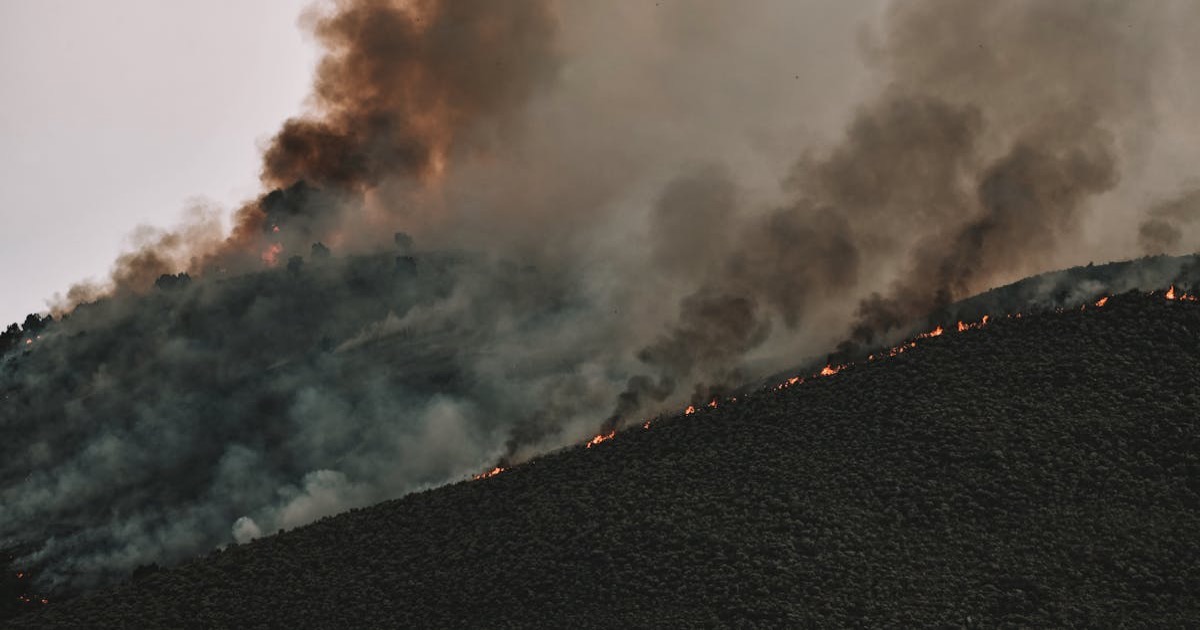
Preparing Your Okanagan Home for Wildfire Season: A Complete FireSmart Guide
Wildfires are not a hypothetical threat in the Okanagan - they are a recurring reality. This comprehensive guide covers everything you need to know about preparing your home for fire season, from FireSmart defensible space to roof maintenance, gutter cleaning, emergency planning, and insurance considerations.
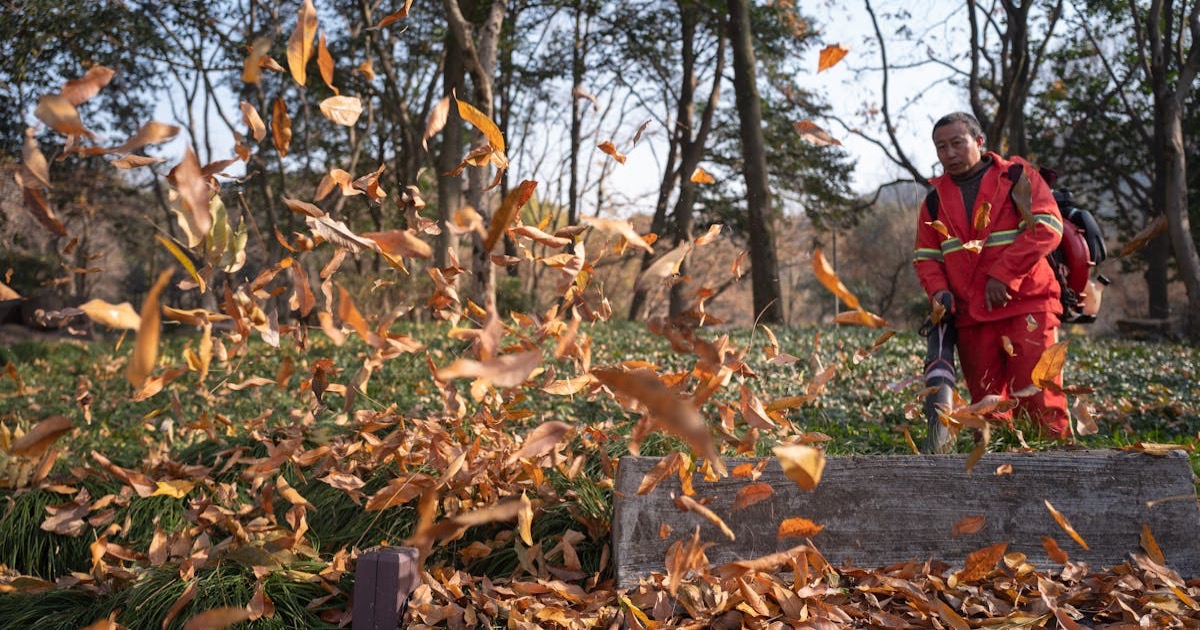
Fall Yard Cleanup Guide: How to Winterize Your Okanagan Property
The work you do in fall determines whether your Okanagan property emerges from winter in good shape or needs expensive repairs come spring. This guide covers every step of fall yard cleanup and winterization.
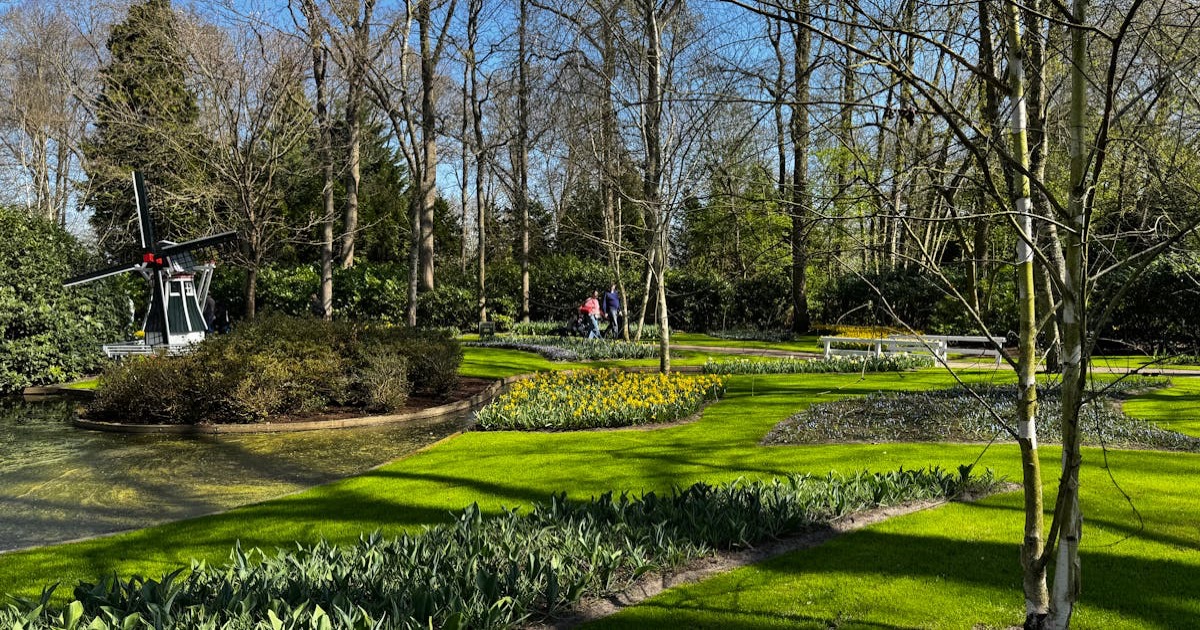
Spring Lawn Care Checklist for Okanagan Homeowners: 15 Essential Steps
Spring is the most important season for Okanagan lawn care. This 15-step checklist covers everything from debris cleanup to the first fertilizer application, with timelines tailored to BC's Interior climate.