Spring Lawn Care Checklist for Okanagan Homeowners: 15 Essential Steps
Complete spring lawn care checklist for Okanagan homeowners. 15 actionable steps from cleanup to first mow, plus DIY vs pro cost breakdown for Kelowna & BC.
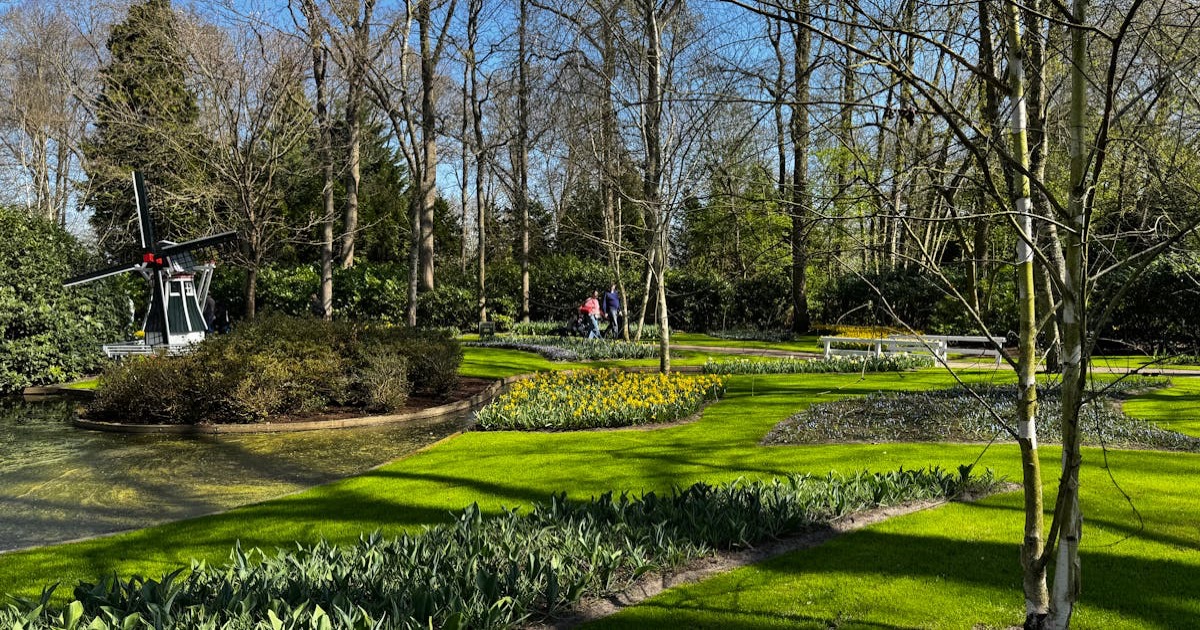
Why Spring Lawn Care Sets the Tone for the Entire Year
In the Okanagan Valley, what you do in the first four to six weeks of spring determines how your lawn will look for the remaining seven months of the growing season. Skip the spring fundamentals, and you will spend all summer chasing problems - weeds, bare patches, disease, and thin turf that wilts at the first heat wave.
A thorough spring lawn care checklist is especially critical in the Okanagan because our winters create specific challenges that coastal BC properties rarely face. Extended snow cover, freeze-thaw cycles, and cold winds can cause snow mold, desiccation damage, and soil compaction that need to be addressed before the growing season kicks into high gear.
This checklist gives you 15 actionable steps in the exact order they should be completed, with timing specific to the Okanagan climate. Whether you are a DIY weekend warrior in Kelowna or a homeowner in Penticton who prefers to hire a professional, this guide ensures nothing falls through the cracks.
When to Start: Reading the Signs
Before you start checking off tasks, you need to know when your lawn is ready. In the Okanagan, this varies by year and by your specific property's microclimate. Here are the indicators to watch for:
Snow has fully melted from all lawn areas, including shaded spots along the north side of buildings and under trees.
Ground is firm enough to walk on without leaving footprints or sinking. If the ground is squishy and soft, stay off it - walking on saturated soil causes compaction that damages root systems.
Daytime temperatures are consistently above 10 degrees Celsius. In most Okanagan communities, this happens between mid-March and early April.
Grass is showing green. You should see new green growth emerging through the brown, dormant grass. This means the root system is active and the plant is ready to grow.
For most Okanagan properties, the spring lawn care window opens between March 15 and April 10. Properties at higher elevations around Vernon, Enderby, or Armstrong may start a week or two later, while low-elevation south-facing properties in Osoyoos or Oliver may start earlier.
Do not rush the season. Starting your spring lawn care too early - before the soil has dried sufficiently and the grass has broken dormancy - causes more harm than good. Walking on waterlogged soil compresses it, damaging root systems and reducing the soil's ability to absorb water and nutrients for the rest of the year.
The 15-Step Spring Lawn Care Checklist
Step 1: Walk the Property and Assess Winter Damage
Before touching a single tool, walk your entire property and take notes on what you see. This assessment guides everything that follows and helps you prioritize your time and budget.
What to look for:
- Snow mold: Circular patches of matted, grey or pink-tinged grass, usually 6-12 inches in diameter. Snow mold is common in the Okanagan after winters with extended snow cover.
- Bare or dead patches: Areas where the grass did not survive winter. Note their size and location.
- Frost heaving: Areas where freeze-thaw cycles have pushed the soil surface upward, often exposing grass roots or creating uneven ground.
- Drainage issues: Spots where water is pooling or the ground stays saturated long after surrounding areas have dried.
- Rodent damage: Voles and mice sometimes tunnel under snow cover, leaving visible trails of dead grass.
- Winter debris: Branches, leaves, trash, or other items that accumulated over winter.
Take photos of problem areas. These will be useful if you decide to hire a professional for spring cleanup, and they give you a reference point to track improvement over the season.
Step 2: Remove Winter Debris
Clear the lawn of all branches, leaves, pine cones, trash, and any other debris that accumulated during winter. This seems basic, but debris left on the lawn creates dead spots by blocking sunlight and trapping moisture against the grass.
Pay special attention to areas under trees and along fences where debris tends to accumulate. If you have decorative gravel beds adjacent to your lawn, check for gravel that has washed onto the grass - gravel chunks will damage your mower blade and can be thrown as dangerous projectiles.
Remove any winterization materials you applied in fall, such as burlap wraps on shrubs or mulch mounds around tree bases.
Step 3: Rake Thoroughly to Break Up Matted Grass
Even if you do not need full dethatching, a thorough spring raking is essential. Winter weather mats down the grass, especially in areas with heavy snow cover. Matted grass traps moisture, blocks air circulation, and creates ideal conditions for fungal diseases.
Use a stiff-tined leaf rake or a specialized thatch rake and work across the entire lawn in multiple directions. You will be surprised how much dead material comes up. This raking accomplishes several things at once: it removes dead grass blades, lifts matted turf, exposes the soil surface to air and sunlight, and loosens light thatch.
For areas affected by snow mold, raking is particularly important. Breaking up the matted, diseased grass allows air to reach the crowns of the grass plants, which often survive even when the leaf blades are killed by the fungus.
Spring raking is one of the best exercises of the season, but it is also one of the most physically demanding. For an average 4,000 square foot Okanagan lawn, plan on 45-90 minutes of thorough raking. If your property is larger or has heavy debris, consider a power rake or hiring a professional for the spring cleanup.
My Home Plan
Plans starting at $89/mo - all services included
Step 4: Check and Adjust Irrigation Systems
The Okanagan's dry climate makes irrigation essential, and spring is when you need to get your system ready for the season. If you have an in-ground sprinkler system, go through this process before you need it:
Turn on the system one zone at a time and check every head for damage. Winter freeze-thaw cycles crack pipes, pop heads out of the ground, and shift heads out of alignment.
Check for leaks in the mainline and lateral lines. Walk each zone while it runs and look for unusually wet spots in the lawn that could indicate an underground leak.
Adjust head patterns so they are covering the lawn evenly without spraying sidewalks, driveways, or the house. Wasted water is wasted money, and overspray on hardscapes creates slip hazards.
Test your controller and set a basic spring schedule. In early spring, most Okanagan lawns need watering 2-3 times per week. As temperatures rise, you will increase frequency.
Check backflow preventer and ensure it passed its annual test. Most Okanagan municipalities require annual backflow testing for irrigation systems.
If you use hose-end sprinklers, inspect your hoses for cracks or leaks, test your sprinkler heads, and replace any worn washers.
Step 5: Assess Thatch and Dethatch if Necessary
Thatch is the layer of dead grass stems, roots, and organic debris that accumulates between the green grass blades and the soil surface. A thin layer of thatch (under half an inch) is actually beneficial - it insulates the soil, retains moisture, and cushions the lawn against foot traffic.
However, when thatch exceeds half an inch, it becomes a problem. Thick thatch prevents water, fertilizer, and air from reaching the soil and roots. It also harbors disease organisms and insect pests.
How to check thatch depth: Use a garden knife or small trowel to cut a wedge-shaped plug from your lawn. Measure the brown, spongy layer between the green grass and the soil surface.
When to dethatch: If thatch exceeds half an inch, dethatch in early to mid-spring when the grass is actively growing but before summer heat arrives. In the Okanagan, the ideal window is late April to mid-May.
How to dethatch: For small lawns, a thatch rake works well. For larger properties, rent a power dethatcher (also called a verticutter) from a local equipment rental shop. Set the blades to just barely penetrate the thatch layer - you want to cut through the thatch without tearing up healthy grass.
After dethatching, rake up all the debris, and your lawn will look rough for a week or two. This is normal. The grass will fill in quickly once it is free to grow without the thatch barrier.
Step 6: Core Aerate Compacted Areas
Soil compaction is the silent killer of Okanagan lawns. Compacted soil prevents roots from penetrating deeply, reduces water infiltration, and limits air exchange in the root zone. High-traffic areas, heavy clay soils, and lawns that have never been aerated are the primary candidates.
Signs of soil compaction:
- Water pools on the surface instead of soaking in
- The lawn feels hard underfoot
- Grass is thin and weak despite adequate fertilization
- You cannot easily push a screwdriver 4-6 inches into the soil
How to aerate: Rent a core aerator (not a spike aerator) from a local equipment rental shop. A core aerator pulls cylindrical plugs of soil out of the ground, creating channels for air, water, and nutrients to reach the root zone. Make two passes over the lawn in perpendicular directions for thorough coverage.
Timing: Aerate when the soil is moist but not waterlogged. In the Okanagan, late April to early May is ideal. The grass is actively growing and can quickly fill in the small holes left by the aerator.
Leave the cores on the lawn. They will break down within 1-2 weeks and redistribute a thin layer of soil over the surface, which helps break down thatch naturally.
Core aeration is one of the most underrated lawn care practices in the Okanagan. If your lawn sits on clay soil - common in parts of Kelowna, Vernon, and Lake Country - annual aeration can make a bigger difference than any fertilizer application. Roots in aerated soil grow up to twice as deep as roots in compacted soil.
Step 7: Address Bare Patches and Winter Damage
Once you have completed raking, dethatching, and aerating, it is time to repair the damage winter left behind.
For small bare patches (under 1 square foot):
- Loosen the soil with a garden fork or rake
- Add a thin layer of topsoil or compost
- Spread grass seed appropriate for the Okanagan (a Kentucky bluegrass and perennial ryegrass blend works well)
- Cover lightly with straw or peat moss to retain moisture
- Keep the area moist until germination (7-14 days)
For larger bare areas (over 1 square foot):
- Consider whether the damage was caused by an ongoing issue (drainage, shade, traffic) that needs to be addressed first
- Prepare the soil by loosening it 2-3 inches deep and adding compost
- Spread seed at the recommended rate (typically 3-4 pounds per 1,000 square feet for overseeding)
- Top with a thin layer of compost or peat moss
- Water lightly twice daily until germination
For snow mold damage:
- Rake the affected areas aggressively to remove dead, matted grass
- The crowns of the grass plants often survive snow mold, so wait 2-3 weeks before overseeding; the existing grass may recover on its own
- If areas remain bare after 3 weeks, treat as a bare patch and overseed
My Home Plan
Plans starting at $89/mo - all services included
Step 8: Test and Amend Your Soil
Spring is the ideal time for a soil test if you have not done one recently. As discussed in detail in our lawn fertilization guide, understanding your soil's pH, nutrient levels, and organic matter content allows you to fertilize precisely rather than guessing.
Okanagan-specific soil considerations:
Our soils tend to be alkaline (pH 7.0-8.0), which can lock up iron and cause yellowing even in fertilized lawns. If your soil test shows a pH above 7.5, consider applying eleite sulfur at 5-10 pounds per 1,000 square feet to gradually lower the pH over the growing season.
Sandy soils common in the south Okanagan (Osoyoos, Oliver, Summerland) drain quickly and struggle to retain nutrients. Adding compost or a high-quality topsoil blend improves water and nutrient retention.
Clay soils common in parts of Kelowna, Vernon, and Lake Country compact easily and drain slowly. Gypsum applications (40-50 pounds per 1,000 square feet) can help improve clay soil structure without changing pH.
Step 9: Apply Pre-Emergent Herbicide
If crabgrass or other annual weeds were a problem last year, apply a pre-emergent herbicide before soil temperatures reach 12-14 degrees Celsius. In the Okanagan, this window is typically late April to early May.
Pre-emergent herbicides create a chemical barrier in the top inch of soil that prevents weed seeds from germinating. They must be applied before the weeds emerge - once you can see crabgrass, it is too late for pre-emergent control.
Critical note: Do not apply pre-emergent herbicide in areas where you have seeded bare patches. The herbicide will prevent your grass seed from germinating just as effectively as it prevents weed seeds.
Step 10: Apply the First Fertilizer Application
Once the grass has been actively growing for 2-3 weeks and you have completed steps 1-9, it is time for the first fertilizer application of the season. Use a balanced, slow-release fertilizer such as a 20-5-10 formulation.
Apply at a rate of 0.75-1.0 pounds of actual nitrogen per 1,000 square feet using a broadcast or drop spreader. Water in lightly after application to move the nutrients to the root zone.
For detailed guidance on fertilizer selection, timing, and the full 4-step fertilization program, see our complete lawn fertilization schedule for BC homeowners.
Step 11: Start Your Mowing Schedule
Your first mow of the season should happen once the grass has grown to about 4 inches. Set your mower blade to 3 inches for the first cut, removing no more than one-third of the blade length.
Before that first mow, prepare your mower:
- Sharpen or replace the blade
- Change the oil
- Replace the air filter
- Check the spark plug
- Clean the underside of the deck
- Fill with fresh fuel (do not use fuel that has been sitting all winter)
After the first mow, settle into a regular schedule of mowing every 7-10 days during the spring growth period. See our complete Okanagan mowing frequency guide for detailed seasonal schedules.
Your mower blade is the most important tool in lawn care. A sharp blade makes a clean cut that heals quickly. A dull blade tears the grass, leaving ragged edges that turn brown and make the lawn susceptible to disease. Have your blade sharpened professionally or invest in a second blade so you always have a sharp one ready.
Step 12: Edge Beds and Borders
Clean, defined edges between your lawn and garden beds, walkways, and driveways make a dramatic difference in your property's appearance. Spring is the time to re-establish those edges after winter erosion and growth.
Use a half-moon edger or a power edger to cut a clean line along all borders. A well-defined edge also serves a functional purpose: it creates a barrier that prevents grass from creeping into garden beds and makes mowing along edges faster and cleaner.
Lawn Mowing & Edging
Starting at $50/visit - included in your plan
Step 13: Clean Up Garden Beds and Borders
While your focus is on the lawn, do not neglect the surrounding landscape. Spring garden bed cleanup includes:
- Removing dead annuals and cutting back spent perennials
- Pulling early-season weeds before they establish deep roots
- Turning and loosening compacted mulch
- Adding fresh mulch (2-3 inches) to suppress weeds and retain moisture
- Checking landscape fabric for tears or gaps
- Pruning shrubs that bloom on new wood (wait to prune spring-blooming shrubs until after they flower)
Clean garden beds frame your lawn and contribute significantly to curb appeal. They also reduce the weed pressure on your lawn by eliminating weed seed sources at the borders.
Step 14: Establish Your Irrigation Schedule
With your irrigation system checked and the lawn actively growing, establish your spring watering schedule. In the Okanagan, early spring watering is about supplementing natural moisture, not providing all of the water your lawn needs.
Spring irrigation guidelines for Okanagan lawns:
- Water 2-3 times per week in April and early May
- Provide 1-1.5 inches of total water per week (including rain)
- Water in the early morning (before 8 AM) to reduce evaporation and disease risk
- Apply water slowly enough for it to soak in rather than run off
- Adjust based on rainfall; if you receive significant rain, skip a scheduled watering
As temperatures rise through May and into June, gradually increase watering frequency and duration. By midsummer, most Okanagan lawns need 1.5-2 inches of water per week, applied in 3-4 sessions.
Step 15: Create a Season-Long Maintenance Calendar
The final step in your spring lawn care checklist is planning ahead. Write out or digitally schedule your maintenance tasks for the entire growing season:
- Mowing days (weekly during active growth)
- Fertilizer applications (4 per season - see our fertilization guide)
- Irrigation system checks (monthly)
- Weed spot treatments (as needed)
- Mower blade sharpening (every 6-8 weeks)
- Aeration (spring and/or fall)
- Pest and disease monitoring (ongoing)
Having a schedule prevents tasks from falling through the cracks and ensures your lawn receives consistent care throughout the season.
Tools You Need for Spring Lawn Care
Here is the essential toolkit for completing your spring lawn care checklist:
| Tool | Purpose | Approximate Cost |
|---|---|---|
| Stiff-tined leaf rake | Debris removal, light dethatching | $25-$45 |
| Thatch rake | Checking and removing thatch | $30-$50 |
| Core aerator | Relieving soil compaction | $60-$100 rental per day |
| Broadcast spreader | Applying fertilizer and seed | $40-$120 |
| Half-moon edger | Defining bed and border edges | $25-$40 |
| Garden fork | Loosening soil for overseeding | $25-$40 |
| Lawn mower | Weekly mowing | $400-$800 (push) |
| String trimmer | Trimming around edges and obstacles | $150-$300 |
| Garden hose with nozzle | Watering seeded areas | $30-$60 |
| Soil test kit or lab samples | Understanding soil needs | $15-$60 |
Total DIY equipment investment: $800-$1,700 for a homeowner starting from scratch. If you already own a mower and basic tools, the additional investment for spring-specific items is $100-$300.
Spring Lawn Care Timeline for the Okanagan
| Week | Tasks | Notes |
|---|---|---|
| Mid-March | Steps 1-2: Assess and debris removal | Only if ground is firm |
| Late March | Steps 3-4: Rake and check irrigation | Wait for ground to dry |
| Early April | Steps 5-7: Dethatch, aerate, repair patches | Core activities |
| Mid-April | Steps 8-9: Soil test, pre-emergent | Time-sensitive for pre-emergent |
| Late April | Steps 10-11: First fertilizer, first mow | Grass must be actively growing |
| Early May | Steps 12-14: Edge, clean beds, irrigation | Complete the setup |
| Ongoing | Step 15: Follow your maintenance calendar | Consistency is key |
This timeline is a guide based on typical Okanagan spring conditions. Adjust forward or backward based on your specific location and the current year's weather patterns.
DIY vs. Professional Spring Cleanup: Cost Comparison
DIY Approach
| Item | Cost |
|---|---|
| Your time (8-16 hours over 3-4 weekends) | Valued at your hourly rate |
| Equipment rental (aerator, power dethatcher) | $120-$200 |
| Fertilizer and pre-emergent products | $50-$80 |
| Grass seed for repairs | $15-$30 |
| Topsoil and compost | $30-$60 |
| Total out-of-pocket | $215-$370 |
Professional Spring Cleanup
| Service | Cost |
|---|---|
| Full spring cleanup (debris, raking, bed cleanup) | $180 per visit |
| Core aeration | $80-$150 |
| First fertilizer application | $75 |
| Overseeding bare patches | $50-$100 |
| Total professional | $385-$505 |
The cost difference between DIY and professional spring cleanup is typically $170-$200. For that price, you get 8-16 hours of your weekends back and the assurance that every step is done correctly with professional equipment.
My Home Plan offers spring cleanup at $180 per visit, and it can be bundled with ongoing lawn care services in our subscription plans starting at $89 per month. A subscription plan ensures your lawn receives consistent professional care throughout the entire growing season, not just a one-time spring effort.
What Happens If You Skip Spring Lawn Care
Skipping your spring lawn care checklist does not just affect how your lawn looks in April. The consequences compound throughout the entire growing season:
Skipping debris removal and raking leads to dead patches under matted grass, creating bare spots where weeds establish.
Skipping aeration means compacted soil persists all season. Roots cannot grow deeply, water runs off instead of soaking in, and the lawn suffers more during summer drought.
Skipping pre-emergent herbicide means crabgrass and other annual weeds germinate freely. Once established, they are much harder and more expensive to control.
Skipping the first fertilizer application means the lawn enters its peak growth period without adequate nutrition. Growth is thin and weak, giving weeds a competitive advantage.
Skipping overseeding bare patches means those bare areas become weed nurseries. Every square inch of bare soil is an invitation for weed seeds to germinate.
The homeowners who invest time and effort in spring lawn care consistently have the best-looking lawns through summer and fall. It is not a coincidence - spring care builds the foundation that supports the lawn through every challenge the Okanagan growing season throws at it.
Ready to simplify your home maintenance?
Get all your home services in one monthly plan. Vetted contractors, guaranteed scheduling, predictable pricing.
Frequently Asked Questions
Why Homeowners Choose My Home Plan
Predictable Pricing
One monthly payment covers everything. No surprise quotes or hidden fees.
Vetted Contractors
Every contractor is background-checked, insured, and reviewed.
Zero Hassle
We handle scheduling, quality control, and follow-ups. You relax.
Related Articles
DIY Lawn Care vs. Professional Service: The Real Cost Comparison
Most homeowners assume DIY lawn care saves money. But when you add up equipment, products, maintenance, and - most importantly - your time, the numbers tell a different story. Here is the full cost breakdown.
How Often Should You Mow Your Lawn in the Okanagan? A Seasonal Guide
Figuring out the right lawn mowing frequency in the Okanagan can save you time, money, and a lot of frustration. This guide breaks down exactly how often to cut your grass through every season in BC's Interior.
The Complete Lawn Fertilization Schedule for BC Homeowners
A properly timed lawn fertilization schedule is the difference between a lawn that survives and one that thrives. This guide lays out the exact 4-step fertilization program designed for BC's Interior climate.