How Often Should You Mow Your Lawn in the Okanagan? A Seasonal Guide
Learn the ideal lawn mowing frequency for Okanagan homeowners. Seasonal schedules, grass height guides, and expert tips for Kelowna, Penticton & Vernon yards.
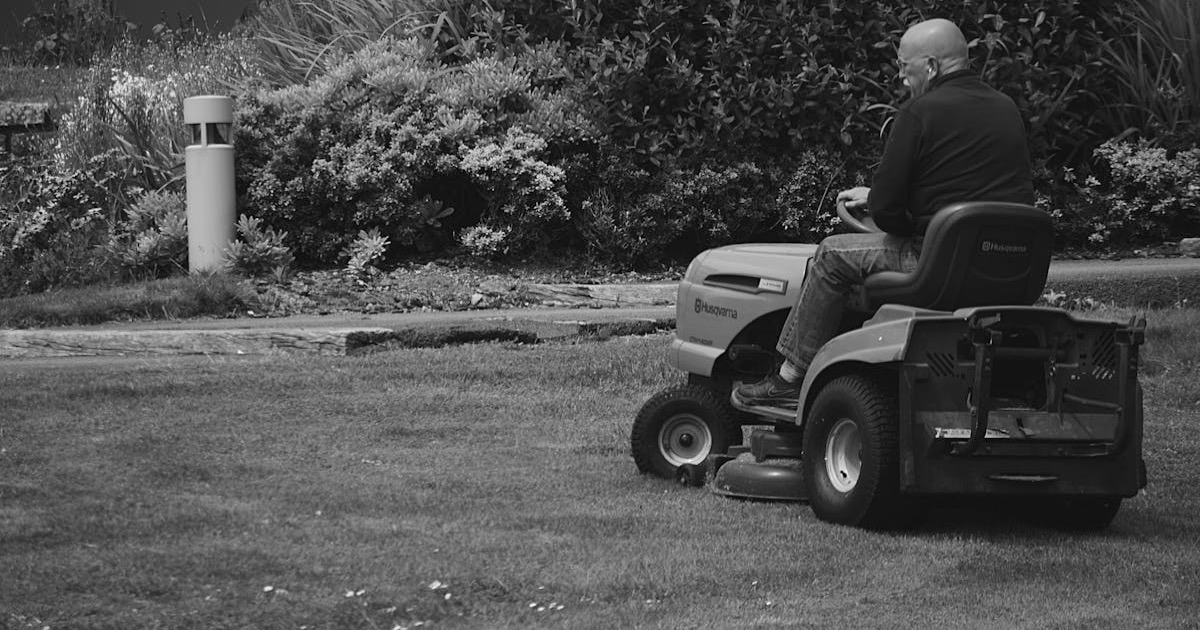
Why Lawn Mowing Frequency Matters More Than You Think
If you are an Okanagan homeowner, you have probably wondered how often you should really be mowing your lawn. It is one of the most common lawn care questions we hear from homeowners in Kelowna, Penticton, Vernon, and across the valley. The answer is not a simple "once a week" - your ideal lawn mowing frequency depends on your grass type, the season, recent weather, and how you want your yard to look.
Getting your grass cutting frequency right is one of the most impactful things you can do for your lawn's health. Mow too often and you stress the grass, weaken the root system, and waste your weekends. Mow too infrequently and you end up scalping the lawn, leaving brown patches, and creating an environment where weeds thrive.
The Okanagan Valley presents unique challenges for lawn care. Our hot, dry summers, short but intense spring growth periods, and cold winters mean that a mowing schedule designed for Vancouver or Toronto simply will not work here. This guide will walk you through exactly how often to mow your lawn in every season, what height to set your mower blade, and the mistakes that cost Okanagan homeowners the most time and money.
Understanding Okanagan Growing Conditions
Climate Zones and What They Mean for Your Lawn
The Okanagan sits in a semi-arid climate zone, which makes it fundamentally different from the coastal regions of BC. Kelowna, Penticton, West Kelowna, and Vernon typically receive between 250 and 400 millimetres of precipitation per year - roughly one-third of what Vancouver gets. This means irrigation is not optional; it is essential for maintaining a healthy lawn.
Average summer temperatures regularly exceed 30 degrees Celsius, with extended periods above 35 degrees in July and August. These extreme heat events directly impact your lawn mowing frequency because grass growth slows dramatically during heat stress. Understanding this cycle is the key to a proper mowing schedule.
Spring arrives in the Okanagan around mid-March to early April, depending on the specific microclimate of your property. Lawns typically break dormancy in late March and enter their first rapid growth phase in April and May, when temperatures are warm but not yet scorching and there is still residual moisture in the soil.
Common Grass Types in Okanagan Lawns
Most Okanagan lawns consist of cool-season grasses, which thrive in temperatures between 15 and 24 degrees Celsius. The most common varieties you will find in Kelowna, Penticton, and Vernon yards include:
Kentucky Bluegrass is the most popular choice for Okanagan lawns. It creates a dense, dark green turf that handles moderate foot traffic well. Kentucky bluegrass grows aggressively in spring and fall, which directly impacts how often you need to mow. During peak growth, this grass can grow 2-3 inches per week.
Perennial Ryegrass is often mixed with Kentucky bluegrass in Okanagan seed blends. It germinates quickly, establishes fast, and provides a fine-textured lawn. Ryegrass tends to grow slightly faster than bluegrass during the spring flush.
Fine Fescue varieties, including creeping red fescue and chewings fescue, are increasingly popular in the Okanagan because they tolerate drought better than bluegrass. Fine fescues generally grow more slowly, which means less frequent mowing.
Tall Fescue is gaining popularity for its deep root system and exceptional drought tolerance. If you have a newer lawn in the Okanagan, there is a good chance it includes tall fescue. Its growth rate is moderate, falling between the aggressive bluegrass and the slower fine fescues.
Most Okanagan homeowners have a blend of two or more grass types in their lawn. If you are unsure what you have, look at individual blades: Kentucky bluegrass has a boat-shaped tip, ryegrass blades are shiny on the underside, and fescues have very thin, needle-like blades.
The One-Third Rule: Your Most Important Mowing Guideline
Before we get into specific seasonal schedules, you need to understand the one-third rule. This is the single most important principle in lawn mowing, and it should dictate your mowing frequency regardless of the season.
Never remove more than one-third of the grass blade in a single mowing.
If your target mowing height is 3 inches, you should mow before the grass reaches 4.5 inches. If you let it grow to 6 inches and then cut it down to 3 inches, you are removing half the blade. This shocks the grass, exposes the stems to sunlight they are not adapted to handle, and can cause widespread browning.
Violating the one-third rule is the number one mistake Okanagan homeowners make with their lawns. It typically happens when people go on vacation for two weeks in July, come home to a jungle, and scalp everything down. The result is a stressed, brown lawn that takes weeks to recover - right in the middle of summer when you want your yard looking its best.
Lawn Mowing & Edging
Starting at $50/visit - included in your plan
Seasonal Lawn Mowing Schedule for the Okanagan
Spring Mowing (March - May)
Spring is when Okanagan lawns wake up from winter dormancy, and your mowing schedule needs to ramp up accordingly.
Late March to Mid-April: First Mow of the Season
Your first mow of the year is critical. Wait until the ground is firm enough that you will not leave ruts or footprints, and the grass has started actively growing. In most Okanagan locations, this happens in late March or early April.
For the first mow, set your blade height to about 3 inches. This initial cut removes dead tips from winter and encourages the grass to start tillering - producing new shoots that thicken your lawn. Mow once and then wait to see how quickly the grass responds.
Mid-April to May: Increasing Frequency
As temperatures climb into the 15-20 degree range, grass growth accelerates rapidly. During this period, you will likely need to mow every 7-10 days. By late April, many Okanagan lawns need cutting every 5-7 days, especially if you are fertilizing.
This spring growth period is when your lawn mowing frequency is at its highest. Kentucky bluegrass in particular can grow an inch or more in a single week during optimal spring conditions. If you skip a week, you risk violating the one-third rule on your next mow.
Spring Mowing Height: Set your mower to 2.5-3 inches during spring. This encourages dense growth while allowing enough leaf surface for photosynthesis.
During the spring flush, consider mowing in different directions each time you cut. This prevents the grass from developing a grain where blades lean in one direction, and it helps produce a more uniform, upright lawn.
Summer Mowing (June - August)
Summer in the Okanagan brings the most dramatic changes to your lawn mowing schedule throughout the season.
June: Transitioning to Summer Mode
Early June usually continues the spring growth pattern, with mowing needed every 5-7 days. As temperatures push past 25 degrees later in the month, growth begins to slow. This is the time to start raising your mowing height.
July and August: Heat Management
When temperatures regularly exceed 30 degrees, cool-season grasses enter a survival mode. Growth slows significantly, and your mowing frequency should drop to every 7-10 days, sometimes even every two weeks during extreme heat waves.
Raise your mowing height to 3-3.5 inches during the hottest months. This is one of the most important adjustments you can make. Taller grass shades the soil, reduces water evaporation, and keeps root temperatures lower. Lawns mowed at 3.5 inches during an Okanagan heat wave will stay greener and use less water than lawns cut at 2 inches.
The relationship between mowing height and water consumption is significant. Research from turf grass programs across western North America has shown that raising mowing height by just one inch can reduce irrigation needs by 20-30 percent. In a region where water restrictions are common and water bills climb in summer, this adjustment pays for itself.
Summer Mowing Tips for Okanagan Homeowners:
- Mow in the early morning or evening, never during the midday heat
- Ensure your mower blade is sharp; dull blades tear grass and increase moisture loss
- Leave grass clippings on the lawn (grasscycling) to return nutrients and retain moisture
- If the lawn goes dormant and turns brown during extreme heat, stop mowing entirely until it recovers
- Water deeply and infrequently rather than shallow daily watering
Lawn Mowing & Edging
Starting at $50/visit - included in your plan
Fall Mowing (September - October)
Fall is the second major growth period for Okanagan lawns, and many lawn care experts consider it the most important season for lawn health.
September: The Second Growth Flush
As temperatures moderate into the 15-25 degree range and fall rains begin, your lawn will experience a second growth surge. Mowing frequency should increase back to every 5-7 days. This is the ideal time to lower your mowing height slightly, back to 2.5-3 inches, to encourage dense growth before winter.
September mowing is critical because the grass is actively storing energy in its root system for winter survival. Consistent mowing during this period promotes tillering and helps the lawn develop the dense turf that will resist winter damage and emerge strong the following spring.
October: Winding Down
As October progresses and temperatures drop below 10 degrees, grass growth slows to a crawl. Reduce mowing to every 10-14 days, or simply mow when the grass is visibly overgrown.
The Final Mow of the Season
Your last mow before winter is important. Cut the grass to about 2-2.5 inches - slightly shorter than your summer height. Grass left too long over winter can mat down under snow, creating conditions for snow mold and other fungal diseases. Grass cut too short enters winter stressed and vulnerable.
In most Okanagan locations, the final mow happens in mid to late October. Watch the weather forecast and aim to do your last cut before the first hard frost.
Winter (November - February)
Okanagan lawns are dormant during winter, so no mowing is required. Use this time to maintain your mower: sharpen or replace the blade, change the oil, clean the air filter, and inspect the deck for damage.
A sharp mower blade makes a clean cut that heals quickly, while a dull blade tears the grass and creates ragged brown tips. Sharpen your blade at least twice during the mowing season - once in spring and once in midsummer. If you mow a large property, sharpen it every 20-25 hours of use.
Mowing Height Guide by Grass Type
Getting your mowing height right is just as important as getting your frequency right. Here is a detailed breakdown for the grass types common in Okanagan lawns:
| Grass Type | Spring Height | Summer Height | Fall Height | Final Winter Cut |
|---|---|---|---|---|
| Kentucky Bluegrass | 2.5-3" | 3-3.5" | 2.5-3" | 2-2.5" |
| Perennial Ryegrass | 2-2.5" | 2.5-3" | 2-2.5" | 2" |
| Fine Fescue | 2.5-3" | 3-4" | 2.5-3" | 2-2.5" |
| Tall Fescue | 3-3.5" | 3.5-4" | 3-3.5" | 2.5-3" |
These heights represent a range. If your lawn is in full sun and you are in one of the hotter Okanagan microclimates like Osoyoos or Oliver, lean toward the taller end. If you have a well-irrigated lawn in partial shade in Vernon or Coldstream, you can mow slightly shorter.
Common Lawn Mowing Mistakes Okanagan Homeowners Make
Mistake 1: Cutting Too Short (Scalping)
Scalping is the most damaging mowing mistake. When you cut more than one-third of the grass blade, you expose the stems and soil to intense Okanagan sun. The grass loses its ability to photosynthesize efficiently, the soil dries out faster, and weed seeds get the sunlight they need to germinate. Dandelions, clover, and crabgrass all thrive in scalped lawns.
Mistake 2: Inconsistent Mowing Schedule
Mowing every 5 days one week and then waiting 16 days the next creates a boom-and-bust cycle that stresses your lawn. Consistency matters. Even if the growth rate changes, your goal should be to never let the lawn get so long that you have to remove more than one-third of the blade.
Mistake 3: Mowing Wet Grass
Okanagan mornings can bring dew, and if you irrigate in the evening, your lawn may be wet in the morning. Mowing wet grass leads to uneven cuts, clumps of clippings that smother the lawn, and increased disease risk. Wait until the grass is dry before mowing.
Mistake 4: Always Mowing the Same Direction
Mowing the same pattern every time causes the grass to lean in one direction, creates ruts from your mower wheels, and results in an uneven appearance. Alternate between horizontal, vertical, and diagonal patterns.
Mistake 5: Bagging Clippings Unnecessarily
Unless your lawn is severely overgrown or diseased, leave the clippings on the lawn. Grass clippings decompose quickly and return valuable nitrogen to the soil. Research shows that grasscycling can provide up to 25 percent of your lawn's annual nitrogen needs - that is free fertilizer you are throwing away when you bag.
Lawn Mowing & Edging
Starting at $50/visit - included in your plan
When to Hire a Professional Lawn Mowing Service
Maintaining the right lawn mowing frequency sounds simple, but it takes real commitment. During peak growing season, your lawn needs attention every 5-7 days without exception. Here are the signs it might be time to bring in a professional:
You travel frequently. If business trips or vacations regularly take you away during growing season, your lawn suffers. A professional mowing service maintains the schedule regardless of your travel plans.
Your lawn is larger than 3,000 square feet. Larger properties take significant time to mow properly. A 5,000 square foot lawn can easily consume 60-90 minutes including trimming and edging.
You are seeing declining lawn quality. If your lawn looks worse year over year despite your efforts, the issue is often inconsistent mowing and improper height settings. Professional lawn care services use commercial-grade equipment and trained operators who know the optimal settings for Okanagan conditions.
Your weekends are too valuable. This is the most common reason Okanagan homeowners switch to professional lawn care. When you add up the time spent mowing, trimming, edging, and cleaning up, you are looking at 2-4 hours every week during growing season. That is 50-100 hours per year.
You want a property that stands out. Professional mowing with commercial equipment produces striping, clean edges, and a uniform cut that consumer mowers simply cannot match.
The Cost of DIY Mowing vs. Professional Service
A quality push mower costs between $400 and $800. A riding mower for larger properties runs $2,000 to $5,000. Add a string trimmer ($150-$300), an edger ($100-$250), fuel, maintenance, blade sharpening, and your time, and DIY lawn mowing is more expensive than most homeowners realize.
Professional lawn mowing in the Okanagan typically runs about $55 per visit. For weekly service during the 26-28 week growing season, that comes to roughly $1,430-$1,540 per year. When you factor in equipment costs, maintenance, fuel, and your time at any reasonable hourly rate, professional service often comes out ahead.
My Home Plan offers lawn mowing starting at $55 per visit as part of our home maintenance subscription plans. Plans start at just $89 per month and can include mowing, fertilization, seasonal cleanups, and other home maintenance services - all managed through one simple subscription.
Creating Your Personal Okanagan Mowing Calendar
Here is a month-by-month mowing calendar tailored specifically for Okanagan homeowners:
| Month | Frequency | Height | Key Notes |
|---|---|---|---|
| March | 0-1 times | 3" | First mow only if ground is firm and grass is growing |
| April | 2-4 times | 2.5-3" | Growth accelerating, start regular schedule |
| May | 4-5 times | 2.5-3" | Peak spring growth, mow every 5-7 days |
| June | 4-5 times | 3" | Begin raising height as temps increase |
| July | 3-4 times | 3-3.5" | Reduce frequency in extreme heat |
| August | 3-4 times | 3-3.5" | Continue reduced schedule, watch for dormancy |
| September | 4-5 times | 2.5-3" | Fall growth surge, increase frequency |
| October | 2-3 times | 2-2.5" | Winding down, final cut mid-late month |
| November-February | 0 times | N/A | Dormant season, maintain equipment |
This calendar assumes typical Okanagan weather patterns. Adjust based on your specific location - properties at higher elevations around Vernon or in shaded areas may have a shorter active growing season, while south-facing properties in Penticton or Osoyoos may start earlier and finish later.
Final Thoughts on Lawn Mowing Frequency in the Okanagan
The right lawn mowing frequency for your Okanagan property depends on the season, your grass type, and current weather conditions. The key principles are simple: follow the one-third rule, adjust your mowing height with the seasons, keep your blade sharp, and maintain a consistent schedule.
If managing your lawn mowing schedule feels like a part-time job, you are not wrong. Between April and October, your lawn demands attention nearly every week. That is where a professional lawn care service can transform your weekends from a chore into actual free time.
Whether you choose to manage your own mowing schedule or bring in help, understanding the principles behind proper mowing frequency will help you maintain a healthier, greener lawn that stands up to the Okanagan's challenging climate.
Ready to simplify your home maintenance?
Get all your home services in one monthly plan. Vetted contractors, guaranteed scheduling, predictable pricing.
Frequently Asked Questions
Why Homeowners Choose My Home Plan
Predictable Pricing
One monthly payment covers everything. No surprise quotes or hidden fees.
Vetted Contractors
Every contractor is background-checked, insured, and reviewed.
Zero Hassle
We handle scheduling, quality control, and follow-ups. You relax.
Related Articles
DIY Lawn Care vs. Professional Service: The Real Cost Comparison
Most homeowners assume DIY lawn care saves money. But when you add up equipment, products, maintenance, and - most importantly - your time, the numbers tell a different story. Here is the full cost breakdown.
The Complete Lawn Fertilization Schedule for BC Homeowners
A properly timed lawn fertilization schedule is the difference between a lawn that survives and one that thrives. This guide lays out the exact 4-step fertilization program designed for BC's Interior climate.
Spring Lawn Care Checklist for Okanagan Homeowners: 15 Essential Steps
Spring is the most important season for Okanagan lawn care. This 15-step checklist covers everything from debris cleanup to the first fertilizer application, with timelines tailored to BC's Interior climate.