10 Signs Your Furnace Needs Repair or Replacement (And How to Decide)
Know the 10 warning signs your furnace is failing. Learn when to repair vs replace, cost thresholds, expected lifespans, and what a new furnace costs in BC.
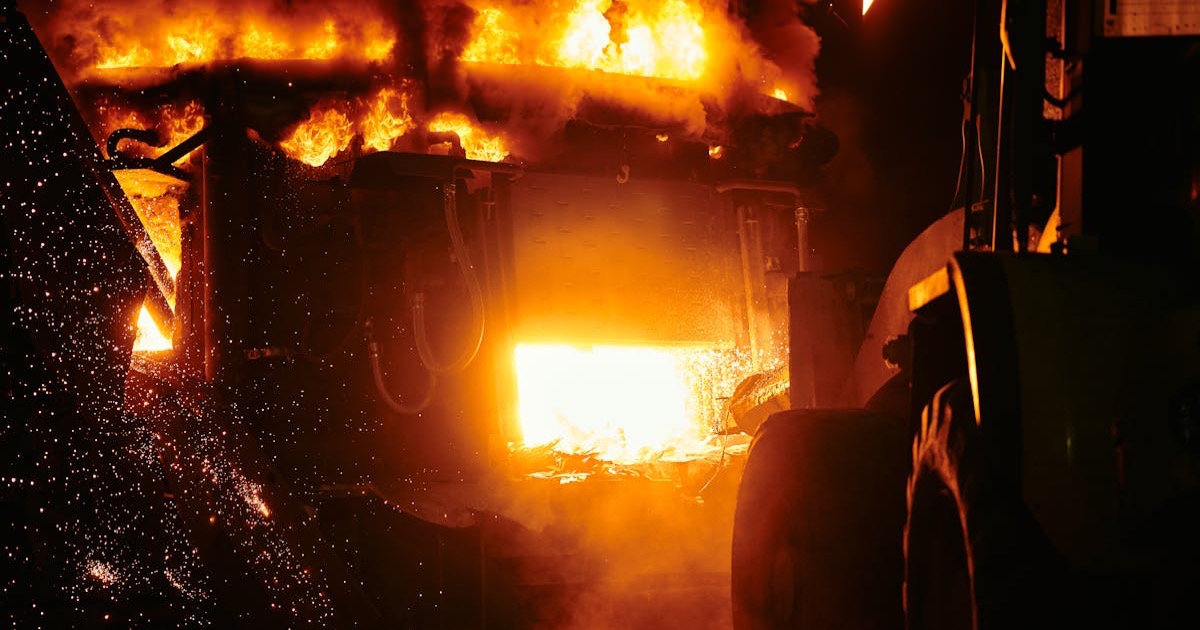
Nobody looks forward to replacing a furnace. It is a major expense, a disruptive installation process, and - if you wait too long - an emergency that leaves your family cold while you scramble to find an available HVAC contractor in the middle of winter.
The good news is that furnaces rarely fail without warning. They give you signs - sometimes months or years in advance - that something is going wrong. The homeowners who pay attention to these signs have the luxury of planning their replacement on their own terms: getting quotes from multiple contractors, choosing the best equipment, scheduling the installation during mild weather, and taking advantage of seasonal deals and rebate programs.
The homeowners who ignore the signs get emergency replacements at emergency prices.
This guide covers the ten warning signs that your furnace is heading toward failure, how to decide between repair and replacement, and what the costs look like for both options here in British Columbia.
The 10 Warning Signs Your Furnace Needs Attention
1. Your Furnace Is Over 15 Years Old
Age alone does not kill a furnace, but it is the most important context for every other symptom on this list. A furnace that is 5 years old with a noisy blower motor needs a $300 repair. A furnace that is 18 years old with the same symptom might be a candidate for replacement, because the motor repair will likely be followed by other age-related failures in the coming months.
Gas furnace lifespan by maintenance level:
- Well-maintained: 15-20 years (some reach 25+)
- Minimal maintenance: 10-12 years
- No maintenance: 8-10 years
Other system lifespans:
- Electric furnace: 20-30 years
- Heat pump: 12-15 years
- Boiler: 15-30 years
If your furnace is past the 15-year mark, start paying closer attention to all the signs below. Even if nothing is wrong today, begin budgeting for a replacement so you are not caught off guard.
2. Rising Energy Bills Without Explanation
Your furnace loses efficiency as it ages. Components wear, heat exchangers develop scale, burners get dirty, and seals degrade. The result is a system that burns more fuel to produce the same amount of heat.
Compare your gas bills year over year, adjusting for weather differences. If your bills have crept up 10-20% or more over the past two to three years without a corresponding increase in gas rates or usage, your furnace is likely declining in efficiency.
Request your utility usage history from FortisBC. They can provide several years of consumption data that lets you see trends independent of rate changes. Focus on the actual gas consumption (gigajoules or cubic metres), not the dollar amount.
An older, standard-efficiency furnace operates at 78-82% AFUE (Annual Fuel Utilization Efficiency). A modern high-efficiency furnace operates at 95-98% AFUE. That 15-20 percentage point difference means a modern furnace converts significantly more of each dollar of gas into actual heat for your home.
3. Uneven Temperatures Throughout Your Home
If some rooms are warm while others are cold - and this is a new or worsening problem - your furnace may be losing its ability to distribute heat evenly. Causes include a failing blower motor that cannot push air through the full duct system, a deteriorating heat exchanger that is not transferring heat effectively, or a system that short-cycles (shuts off before the house reaches temperature).
Note that uneven temperatures can also be caused by duct problems, insulation issues, or a system that was improperly sized from the beginning. If uneven temperatures have always been an issue since you moved in, the problem may not be the furnace itself.
4. Strange Noises
A healthy furnace makes a soft whoosh when the burners ignite, a steady hum from the blower motor, and a click when the thermostat signals the system to start or stop. That is it.
New or worsening noises indicate specific problems:
- Banging or popping: Delayed ignition (gas builds up before igniting, creating a small explosion in the combustion chamber). This is dangerous and needs immediate attention.
- Squealing or screeching: Worn blower motor bearings, a failing belt, or a motor that is overheating.
- Rattling: Loose components, unsecured ductwork, or a cracked heat exchanger.
- Grinding: Metal-on-metal contact in the blower assembly, typically from failed bearings.
- Clicking (repeated): A failing igniter or flame sensor trying and failing to start the burners.
- Booming: Dirty burners with delayed ignition - a dangerous condition that stresses the heat exchanger.
Banging, booming, or repeated ignition failures are not "wait and see" problems. These conditions stress the heat exchanger and can create carbon monoxide risks. Call a technician promptly.
HVAC Tune-Up
Starting at $155/visit - included in your plan
5. Frequent Repairs
A single repair on a furnace under 10 years old is normal. Systems have dozens of components, and individual parts can fail without indicating a systemic problem.
But when repairs start stacking up - a new igniter this year, a blower motor last year, a control board the year before - you are investing in a declining system. Each repair buys you time, but the intervals between repairs shorten as the system ages.
Rule of thumb: If you have spent more than $1,000 on repairs in the past two years on a furnace that is over 10 years old, start shopping for a replacement.
6. Yellow or Flickering Burner Flame
Your furnace burner flame should be steady and blue. A yellow, orange, or flickering flame indicates incomplete combustion, which means:
- The gas-to-air ratio is incorrect
- The burners are dirty or corroded
- There is a potential carbon monoxide issue
Incomplete combustion produces carbon monoxide - an odourless, colourless gas that is responsible for hundreds of hospitalizations and deaths across North America each year. A yellow flame is a serious warning sign.
If you can safely view your burner flame (some furnaces have a small viewing window), check its colour during operation. If the flame is anything other than a steady, strong blue, schedule a service call.
7. Short Cycling
Short cycling means the furnace turns on, runs for a few minutes, shuts off, and then repeats the cycle without reaching the set temperature. A normal heating cycle runs for 10-15 minutes. If your furnace is cycling every 3-5 minutes, something is wrong.
Common causes include:
- Dirty or clogged filter (check this first - it is the easiest fix)
- Failing flame sensor (the sensor cannot detect the flame and shuts down the system as a safety precaution)
- Overheating due to restricted airflow
- Oversized furnace (produces heat too quickly, triggering the high-limit switch)
- Cracked heat exchanger
- Failing control board
Short cycling dramatically increases wear on the igniter, gas valve, and blower motor, as each start-up cycle is far harder on these components than steady-state operation. If left unaddressed, short cycling accelerates the failure of multiple components simultaneously.
8. Excessive Dust or Dry Air
An aging furnace can contribute to air quality problems in several ways. Cracks in the heat exchanger can allow combustion byproducts to mix with circulated air. A failing blower motor may not push air through the filter effectively. Degrading ductwork connections around the furnace can pull in dusty attic or crawlspace air.
If you have noticed a significant increase in household dust, despite regular cleaning and filter changes, your furnace and duct system warrant inspection.
Similarly, if the air in your home is excessively dry during winter (cracked skin, static electricity, wood furniture cracking), your furnace may be overheating the air. This happens when the system short-cycles or when heat exchanger efficiency drops, forcing the system to produce hotter air to compensate.
9. Visible Rust, Cracks, or Corrosion
Inspect the area around your furnace periodically. Look for:
- Rust or corrosion on the furnace body, especially around the base
- Rust streaks or discolouration on the vent pipe
- Water pooling around the base of the furnace
- Soot or black residue around the burner area or on walls near the furnace
- Visible cracks in the heat exchanger (if accessible through the burner viewing port)
Corrosion and cracking indicate that the furnace's structural integrity is compromised. A rusted-out furnace body is primarily a cosmetic issue, but a corroded heat exchanger or vent pipe is a safety hazard.
HVAC Tune-Up
Starting at $155/visit - included in your plan
10. Carbon Monoxide Detector Alerts
This is the most urgent sign on the list. If your carbon monoxide detector alarms, take immediate action:
- Open windows to ventilate
- Get everyone (including pets) out of the house
- Call 911 or your local fire department
- Do not re-enter the home until emergency responders give the all-clear
- Have a licensed HVAC technician inspect the furnace before using it again
Carbon monoxide from a furnace typically results from a cracked heat exchanger, a blocked flue pipe, or improper combustion. All of these conditions mean the furnace should not be operated until inspected and cleared or replaced.
Every home with a gas furnace must have working carbon monoxide detectors on every level, including near bedrooms. BC Building Code requires CO alarms in homes with fuel-burning appliances. Test them monthly and replace batteries annually. CO detectors themselves should be replaced every 5-7 years per the manufacturer's recommendation.
Repair vs. Replace: How to Make the Decision
When your furnace shows signs of trouble, the core question is whether to invest in a repair or put that money toward a new system. Here are the frameworks that help make that decision.
The 50% Rule
If a single repair costs more than 50% of the price of a new furnace, replace the furnace. For example, if a new furnace installed costs $6,000, any repair over $3,000 should trigger a replacement conversation.
The Age + Cost Rule
Multiply the age of your furnace (in years) by the cost of the proposed repair. If the result exceeds $5,000, consider replacement.
- Example 1: 8-year-old furnace, $400 repair. 8 x $400 = $3,200. Repair makes sense.
- Example 2: 17-year-old furnace, $350 repair. 17 x $350 = $5,950. Replacement territory.
This formula accounts for the diminishing value of repairs on aging equipment.
The Efficiency Gap
If your current furnace is a standard-efficiency model (78-82% AFUE) and you are considering replacing it with a high-efficiency model (95-98% AFUE), the energy savings alone can justify the replacement.
A household spending $1,500/year on natural gas heating with an 80% AFUE furnace would spend approximately $1,225/year with a 96% AFUE furnace. That is $275/year in savings. Over a 15-year lifespan, that is $4,125 in energy savings - plus the gas savings will likely increase as rates rise.
The Reliability Factor
Reliability has a value beyond dollars. An unreliable furnace means cold nights, emergency service calls, days off work waiting for technicians, and the stress of not knowing if your heating will work tomorrow. If you have lost confidence in your furnace's reliability, the peace of mind of a new system with a full warranty has real value.
What Does a New Furnace Cost in British Columbia?
Here are realistic installed prices for the Okanagan market in 2026:
Gas Furnaces
- Standard efficiency (80% AFUE): $3,500-$5,000 installed
- Mid-efficiency (92-95% AFUE): $4,500-$6,500 installed
- High efficiency (96-98% AFUE): $5,500-$8,000 installed
Electric Furnaces
- Standard electric furnace: $2,500-$4,000 installed
- Note: Electric furnaces are cheaper to install but significantly more expensive to operate than gas in BC
Heat Pump Systems
- Air source heat pump: $5,000-$9,000 installed
- Cold climate heat pump (rated to -25C): $7,000-$12,000 installed
- Hybrid system (heat pump + gas furnace backup): $8,000-$14,000 installed
Factors That Affect Installation Cost
- Home size and existing ductwork
- Electrical panel capacity (heat pumps may require electrical upgrades)
- Venting changes (high-efficiency furnaces use PVC venting instead of metal flues)
- Permits and inspection fees
- Removal and disposal of old equipment
- Thermostat upgrade
- Any necessary duct modifications
HVAC Tune-Up
Starting at $155/visit - included in your plan
BC Rebates and Incentives for Furnace Replacement
British Columbia offers several programs that can significantly reduce the cost of upgrading your heating system. These change periodically, so always verify current availability before making a decision.
CleanBC Better Homes Program
The provincial CleanBC program offers rebates for switching from fossil fuels to high-efficiency electric heating systems, particularly heat pumps. Rebates have ranged from $3,000 to $6,000 for qualifying heat pump installations. Income-qualified households may receive enhanced rebates covering a larger portion of the cost.
FortisBC Rebates
FortisBC periodically offers rebates for high-efficiency gas furnaces, tankless water heaters, and other gas equipment upgrades. These rebates typically range from $400 to $1,000 for qualifying equipment.
Federal Canada Greener Homes Program
The federal government has offered grants of up to $5,000 for eligible home energy retrofits, including heating system upgrades. An EnerGuide evaluation is typically required before and after the upgrade to qualify.
Stacking provincial and federal rebates can dramatically reduce the net cost of a furnace or heat pump upgrade. A $10,000 heat pump installation with $5,000 in combined rebates becomes a $5,000 investment. Factor in energy savings and the payback period can be under 5 years.
Extending Your Furnace's Life Through Maintenance
The best way to avoid an early furnace replacement is to maintain the one you have. Here is how regular maintenance directly extends furnace lifespan:
Professional Tune-Ups (Twice Per Year)
A spring and fall professional tune-up at $145 per visit catches small problems before they become expensive failures. Your technician inspects the heat exchanger, tests safety controls, cleans the burner assembly, checks electrical connections, and verifies efficient operation. Issues caught early during a routine visit cost a fraction of what they cost as emergency repairs.
Clean Filters
As covered extensively in our filter guide, a clean filter is the foundation of furnace health. Restricted airflow from a dirty filter causes overheating, short-cycling, and accelerated component wear. This single task, done consistently, can add years to your furnace's life.
Sealed Ductwork
Leaky ducts force the furnace to work harder to heat the house. The Department of Energy estimates that the average duct system loses 20-30% of conditioned air through leaks. Sealing ductwork reduces the load on the furnace and improves efficiency and comfort simultaneously.
Proper Thermostat Use
Extreme temperature swings stress the system. Setting the heat to 15 degrees while you are at work and 24 degrees when you get home forces the furnace to run at full capacity for extended periods. A programmable or smart thermostat that makes gradual adjustments is easier on the equipment and reduces overall runtime.
When to Act: A Decision Checklist
Use this checklist to assess your situation:
Lean toward repair if:
- Your furnace is under 10 years old
- This is the first significant repair needed
- The repair cost is under $500
- The system is otherwise running well and your energy bills are stable
- The furnace is a high-efficiency model that was properly sized for your home
Lean toward replacement if:
- Your furnace is over 15 years old
- You have had multiple repairs in the past 2-3 years
- The repair exceeds 50% of a new furnace's cost
- Your energy bills have been rising steadily
- You are experiencing carbon monoxide concerns or safety issues
- Your current furnace is a standard-efficiency model and you want to reduce energy costs
- Significant rebates are currently available
Replace immediately if:
- The heat exchanger is cracked
- You have had carbon monoxide alerts
- The system has been deemed unsafe by a licensed technician
- The furnace cannot be repaired due to unavailable parts (common with units over 20 years old)
Do Not Wait for an Emergency
The worst time to buy a furnace is when yours dies on a -20 degree January night. You have no bargaining power, limited contractor availability, and no time to research options. You end up paying top dollar for whatever is available and in stock.
The best approach is proactive planning. If your furnace is showing any of the warning signs in this guide, get a professional assessment now. Know the condition of your system, understand the likely repair costs coming, and start gathering quotes for replacement. Even if you decide to repair and squeeze out a few more seasons, you will have a plan ready when the time comes.
Regular professional maintenance is the most effective way to monitor your furnace's condition and catch problems early. A technician who sees your system twice a year can tell you honestly how much life is left and help you plan accordingly - no surprises, no emergencies, no cold nights.
Ready to simplify your home maintenance?
Get all your home services in one monthly plan. Vetted contractors, guaranteed scheduling, predictable pricing.
Frequently Asked Questions
Why Homeowners Choose My Home Plan
Predictable Pricing
One monthly payment covers everything. No surprise quotes or hidden fees.
Vetted Contractors
Every contractor is background-checked, insured, and reviewed.
Zero Hassle
We handle scheduling, quality control, and follow-ups. You relax.
Related Articles
Central Air vs Heat Pump vs Mini Split: Which Is Best for the Okanagan?
A detailed comparison of central air conditioning, air source heat pumps, and ductless mini splits for Okanagan homeowners. Covers purchase costs, operating costs, efficiency, climate suitability, available BC rebates, and maintenance requirements for each system.
7 Electrical Warning Signs Every Homeowner Should Know
Your home gives you warning signs before an electrical fire starts. Flickering lights, burning smells, tripping breakers, and warm outlets are all red flags. Learn all 7 danger signals, what causes them, and exactly when you need to call a professional.
Home Electrical Inspection: What It Covers and How It Could Save Your Life
Electrical fires are the #1 cause of house fires in Canada. A professional electrical inspection catches hidden hazards before they become deadly. Here's exactly what inspectors check and why every Okanagan homeowner needs one annually.