7 Electrical Warning Signs Every Homeowner Should Know
Flickering lights, burning smells, tripping breakers - learn the 7 electrical warning signs that mean danger and when to call a professional immediately.
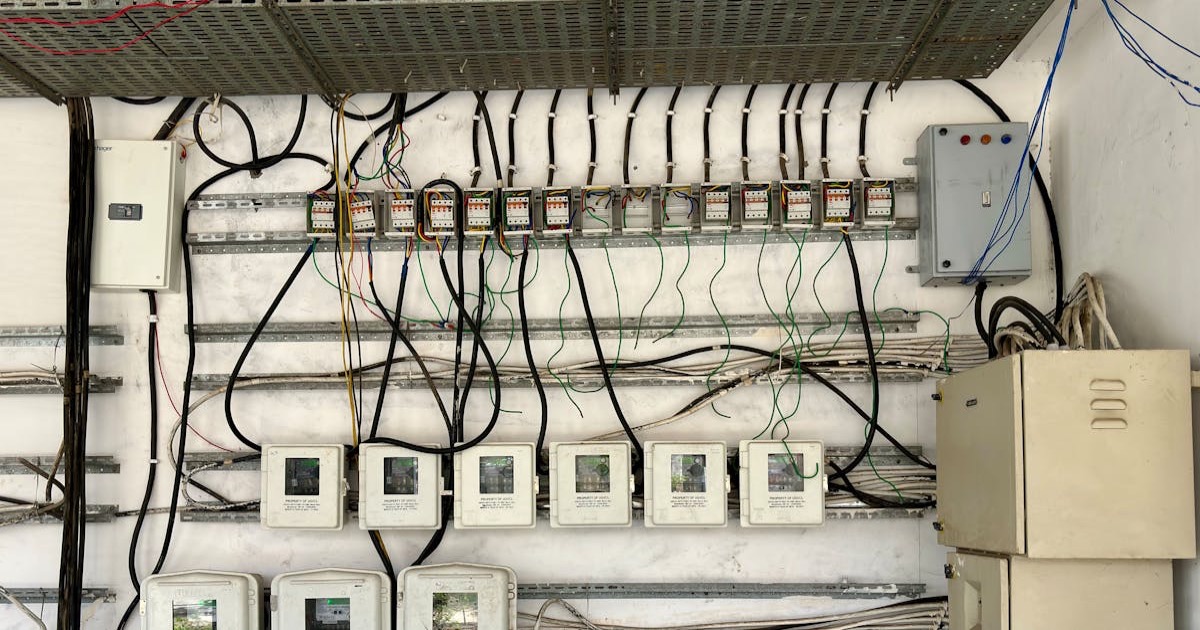
Your house talks to you. Not in words, but in signals. A light that flickers when nothing has changed. An outlet that feels warm when you unplug your phone charger. A faint smell you cannot quite place. These are your home's electrical system sending distress signals, and ignoring them can be fatal.
Electrical problems do not fix themselves. They get worse. A loose connection today becomes an arc fault tomorrow and a wall fire next month. The good news is that most electrical disasters give you warning signs before they become emergencies - if you know what to look for.
Here are the seven electrical warning signs every homeowner needs to recognize, what causes each one, how dangerous it actually is, and when you need to stop what you are doing and call a professional.
Warning Sign #1: Flickering or Dimming Lights
Danger Level: Moderate to High
Flickering lights are one of the most common electrical complaints, and homeowners tend to dismiss them. A bulb flickers, you jiggle it, it stops, and you forget about it. But flickering lights can indicate problems ranging from a loose bulb to a dangerous fault in your main panel.
What Causes It
Harmless causes:
- A bulb that is not screwed in all the way
- A bulb that is reaching end of life (especially older fluorescent and CFL bulbs)
- Brief dimming when a large appliance starts up (the motor draws a momentary surge)
Dangerous causes:
- Loose wiring connections anywhere in the circuit - at the fixture, switch, junction box, or panel. Loose connections create resistance, resistance creates heat, heat starts fires.
- Overloaded circuits - too many devices drawing power on a single circuit causes voltage fluctuations visible as flickering
- Loose service entrance connections - if lights throughout the entire house flicker, the problem may be at your main service connection, which carries your home's full electrical load
- Corroded or damaged wiring - aluminum wiring connections are especially prone to loosening and corroding over time
- Failing breaker - a breaker that is beginning to fail may intermittently lose connection
When to Call a Professional
If flickering is limited to a single bulb, try tightening or replacing the bulb first. If flickering affects multiple lights, occurs in multiple rooms, or happens without any obvious trigger, call an electrician. If your entire house flickers, this is urgent - the problem may be at your service entrance or main panel, both of which carry lethal amounts of electricity.
Whole-house flickering that happens repeatedly or worsens over time indicates a potentially dangerous problem at your main electrical service or panel. Do not attempt to investigate this yourself. The service entrance carries your home's full electrical load and can be instantly lethal.
Warning Sign #2: Burning Smell or Unusual Odors
Danger Level: Critical
If you smell something burning and cannot find the source, your electrical system should be the first suspect. Electrical fires produce a distinctive smell that homeowners often describe as:
- A hot or burning plastic smell
- A fishy odor (overheating electrical components, particularly certain types of plastic and wire insulation, can produce a smell similar to fish)
- An acrid, sharp smell unlike food burning or a candle
- A warm, metallic odor
What Causes It
- Overheating wiring - wire insulation melting due to overloaded circuits, loose connections, or damaged wires
- Arcing - electrical current jumping across a gap in a damaged wire or loose connection, generating intense localized heat
- Overheating breaker or panel - a failing breaker or corroded connection in your panel can generate significant heat
- Overloaded outlet or power strip - drawing too much current through a single point generates heat that can melt the outlet housing
- An actual fire inside the wall - by the time you smell it, combustion may already be occurring
When to Call a Professional
Immediately. A burning smell from your electrical system is never normal and never something that can wait. If the smell is strong, persistent, or you can feel heat coming from an outlet, switch, or panel:
- Do not flip any switches or unplug anything from a hot outlet (this can cause a spark)
- Turn off the circuit at the breaker if you can do so safely
- If you are unsure which circuit or the smell is coming from the panel, turn off the main breaker
- Call an electrician - same day if possible
- If you see smoke, discoloration on walls, or the smell is intense, call 911 first
A burning smell with no visible source is the most commonly reported warning sign before an electrical fire. Treat this as an emergency. It is far better to call an electrician for nothing than to ignore a smell and lose your home.
Electrical Safety Check
Starting at $175/visit - included in your plan
Warning Sign #3: Circuit Breakers That Trip Repeatedly
Danger Level: Moderate to High
A circuit breaker is a safety device. When it trips, it is doing its job - cutting power to a circuit before the wires overheat. A breaker that trips once is doing its job. A breaker that trips repeatedly is telling you something is wrong.
What Causes It
- Circuit overload - the most common cause. Too many devices on one circuit draw more current than the wiring can safely carry. The breaker trips to prevent overheating. This is especially common in older homes where a single 15-amp circuit might serve an entire floor.
- Short circuit - a hot wire touching a neutral or ground wire creates a sudden, massive current flow. The breaker trips instantly. Short circuits can be caused by damaged wiring, a faulty appliance, or a wiring mistake.
- Ground fault - electrical current flowing through an unintended path to ground, often through water or a person. GFCI breakers and outlets are specifically designed to detect ground faults.
- Arc fault - damaged wiring that creates sparks. AFCI breakers detect these dangerous arcing conditions.
- Failing breaker - breakers wear out over time. An old breaker may trip at lower current levels than it should, or worse, it may fail to trip when it should.
When to Call a Professional
If a breaker trips once and stays on after being reset, it was probably a momentary overload - try unplugging some devices from that circuit. If a breaker trips repeatedly, trips immediately when reset, or trips without any obvious cause, stop resetting it and call an electrician.
Never replace a breaker with a higher-amperage breaker. The breaker is sized to protect the wiring. A 15-amp breaker on a circuit with 14-gauge wire is correct. Putting a 20-amp breaker on that same circuit means the wires can overheat without the breaker tripping. This is one of the most dangerous DIY mistakes homeowners make.
Label your electrical panel. Knowing which breaker controls which circuit makes it much easier to identify which devices or rooms are causing a breaker to trip. If your panel is not labeled, an electrical inspection is a great opportunity to get it mapped out.
Warning Sign #4: Warm or Hot Outlets and Switch Plates
Danger Level: High
Standard outlets and light switches should never feel warm to the touch. If an outlet cover plate or switch plate feels warm, something behind that plate is generating heat that should not be there.
What Causes It
- Loose wire connections - the most common cause. A wire that is not tightly secured at the terminal creates resistance at the connection point. Electrical resistance generates heat. Over time, this heat can char the outlet housing, melt insulation, and ignite wood framing.
- Overloaded outlet - drawing too much current through a single outlet, especially through power strips or multi-plug adapters
- Damaged wiring - a nicked, pinched, or corroded wire behind the outlet
- Backstabbed connections - many outlets have push-in connections on the back (backstab connections) that are known to loosen over time. Professional electricians typically use the screw terminals instead.
- Aluminum wiring connections - aluminum wiring at outlet connections is particularly prone to loosening and overheating due to aluminum's higher coefficient of thermal expansion
One exception: Dimmer switches are designed to dissipate some heat and may feel slightly warm during normal operation. However, they should never feel hot, and the wall around them should not feel warm.
When to Call a Professional
If any outlet or switch (other than a dimmer) feels warm, or if a dimmer feels hot, unplug all devices from that outlet and stop using that switch. Do not continue using a warm outlet thinking you will "get around to it." Loose connections get worse, not better. Call an electrician within a few days at most. If the outlet feels hot, shows discoloration, or has a smell, treat it as urgent.
Warning Sign #5: Buzzing, Crackling, or Sizzling Sounds
Danger Level: High
Electricity is silent. When you hear buzzing, crackling, popping, or sizzling from an outlet, switch, light fixture, or your electrical panel, it means electricity is going somewhere it should not.
What Causes It
- Arcing - electricity jumping across a gap in a loose or damaged connection. Arcing generates intense heat (up to 10,000 degrees Fahrenheit) and is one of the primary causes of electrical fires.
- Loose connections - similar to what causes warm outlets, but more advanced. A loose connection that is buzzing is actively arcing.
- Damaged wire insulation - when insulation breaks down, current can arc between conductors or to ground
- Failing breaker - a breaker that is internally arcing will sometimes buzz or hum. This is dangerous because the breaker is supposed to be your safety device.
- Overloaded transformer - a buzzing light fixture (especially fluorescent) may have a failing ballast, which is less dangerous but should still be addressed.
When to Call a Professional
Any buzzing or crackling from an outlet, switch, or your panel warrants an electrician visit. If you hear sizzling or popping, treat it as urgent. Do not use the outlet or switch. If the sound is coming from your electrical panel, do not open the panel. Call an electrician the same day.
Never open your electrical panel if you hear buzzing or see scorch marks on the cover. The panel carries your home's full electrical load. Even turning off the main breaker does not de-energize the service entrance cables feeding the panel. Only a qualified electrician should investigate panel problems.
Electrical Safety Check
Starting at $175/visit - included in your plan
Warning Sign #6: Sparks When Plugging In or Unplugging Devices
Danger Level: Moderate to Critical (depending on type)
Not all sparks are created equal. Understanding the difference between a normal spark and a dangerous one can save your life.
Normal vs. Dangerous Sparks
Normal: A tiny, brief, blue spark when plugging in a device is often harmless. It happens because the plug makes contact with the energized outlet before being fully seated, creating a momentary arc. This is most noticeable with devices that draw significant power immediately (like a space heater or vacuum).
Dangerous: Sparks that are large, yellow or white, occur when unplugging (not plugging in), are accompanied by a popping sound, or happen repeatedly at the same outlet.
What Causes Dangerous Sparks
- Loose outlet connections - worn outlet contacts that do not grip the plug tightly allow the plug to shift slightly, breaking and remaking the connection
- Short circuit in the device or outlet - damaged wiring inside the outlet or in the device's cord
- Moisture in the outlet - water conducts electricity and can cause sparking and ground faults (this is why GFCI protection exists)
- Overloaded outlet - excessive current draw can cause arcing at the plug-outlet interface
- Damaged outlet - an outlet with burned, pitted, or corroded contacts
When to Call a Professional
If you get a large spark, a spark accompanied by a sound, or if sparking happens regularly at a specific outlet, stop using that outlet. If a spark ever causes a small flame or burning, unplug the device (if safe to do so), turn off the circuit at the breaker, and call an electrician immediately. Have a fire extinguisher rated for electrical fires (Class C) accessible in your home.
Every home should have at least one fire extinguisher rated for electrical fires (Class C or ABC). Keep one in the kitchen, one in the garage, and one near your electrical panel. Make sure every family member knows where they are and how to use them.
Warning Sign #7: Discolored, Scorched, or Melted Outlets and Switches
Danger Level: Critical
If you see brown or black discoloration around an outlet, switch, or on a wall near electrical components, you are looking at evidence that a fire has already started - even if it burned out on its own.
What Causes It
- Sustained arcing or overheating - a problem that has been generating heat for a long time
- A flash-over event - a brief but intense electrical event that scorched the surrounding material
- Melting outlet housing - the plastic outlet or switch body melting from internal heat
- An actual small fire that self-extinguished - this happens more often than people realize, and it can re-ignite at any time
When to Call a Professional
This is an emergency. Stop using the outlet or switch immediately. Turn off the circuit at the breaker panel. Call an electrician the same day. Do not assume that because the discoloration is old or the outlet still works, the problem has resolved itself. Charred wiring and damaged connections only get worse.
If you see active smoke or a glow behind the outlet plate, call 911 before calling an electrician.
Electrical Safety Check
Starting at $175/visit - included in your plan
Old Wiring: The Hidden Risk Multiplier
Many of the warning signs above become more dangerous and more likely in homes with outdated wiring. If your home is more than 25 years old and has never had an electrical update, you are at significantly higher risk.
Aluminum Wiring (1965-1976)
Homes built during this period across the Okanagan frequently used aluminum wiring for branch circuits. Aluminum wiring connections loosen faster than copper, corrode at contact points, and are responsible for a disproportionate number of electrical fires. The Consumer Product Safety Commission found that homes with aluminum wiring are 55 times more likely to have fire-hazard conditions at outlets and connections.
If your home has aluminum wiring, annual inspections are not optional - they are essential. Connections need to be checked for tightness, corrosion, and overheating at every accessible point.
Knob-and-Tube Wiring (Pre-1950s)
Some older Okanagan homes, particularly in Vernon, Penticton, and older Kelowna neighborhoods, still have active knob-and-tube wiring. This wiring has no ground wire, uses rubber insulation that deteriorates over decades, and was designed for electrical loads a fraction of what modern homes demand. If your home has knob-and-tube wiring, you likely already know because your insurance company has told you.
Undersized Electrical Service
Older homes were often built with 60-amp or 100-amp electrical service. Modern homes with air conditioning, electric cooking, home offices, and electric vehicle chargers often need 200-amp service. Running modern loads through an undersized service stresses every component in the system, from the panel to the wiring to the outlets.
DIY Electrical Safety Rules
While most electrical work should be left to licensed professionals, there are things every homeowner should do regularly.
Safe for Homeowners
- Test GFCI outlets monthly - press Test, confirm power dies, press Reset
- Test smoke and CO detectors monthly - press the test button
- Replace smoke detector batteries annually (or when they chirp)
- Replace smoke detectors every 10 years and CO detectors every 7 years
- Check for warm outlets - touch outlet and switch covers periodically
- Keep your panel accessible - do not block it with storage
- Know where your main breaker is - every adult in the house should know
Never Do Yourself
- Never open your electrical panel unless you are a qualified electrician
- Never attempt to repair wiring, outlets, or switches without turning off the circuit at the breaker AND verifying power is off with a voltage tester
- Never work on your electrical service entrance - the wires feeding your panel from the utility are always energized and lethal
- Never use water on an electrical fire - use a Class C or ABC fire extinguisher only
- Never ignore warning signs hoping they will go away
Create an electrical safety checklist for your home and go through it every few months. Test your GFCI outlets, check your smoke detectors, touch your outlet covers, and listen for unusual sounds. These five-minute checks can catch problems between annual professional inspections.
When Prevention Beats Reaction
Every warning sign in this post represents a problem that a professional electrical inspection would catch before it becomes dangerous. An annual electrical safety check goes beyond what you can see and touch, examining your panel's internal connections, testing circuit integrity, and identifying deteriorating components that have not yet started showing symptoms.
My Home Plan's electrical safety check is $165 per visit. It includes a full panel inspection, outlet and switch testing, GFCI and AFCI verification, smoke and CO detector checks, visible wiring inspection, and grounding verification. It is comprehensive, it is annual, and it catches problems while they are still just problems - not emergencies.
Do not wait for a warning sign to become a headline. If you have noticed any of the signs described in this post, or if it has been more than a year since your last electrical inspection, schedule one today.
Ready to simplify your home maintenance?
Get all your home services in one monthly plan. Vetted contractors, guaranteed scheduling, predictable pricing.
Frequently Asked Questions
Why Homeowners Choose My Home Plan
Predictable Pricing
One monthly payment covers everything. No surprise quotes or hidden fees.
Vetted Contractors
Every contractor is background-checked, insured, and reviewed.
Zero Hassle
We handle scheduling, quality control, and follow-ups. You relax.
Related Articles
Home Electrical Inspection: What It Covers and How It Could Save Your Life
Electrical fires are the #1 cause of house fires in Canada. A professional electrical inspection catches hidden hazards before they become deadly. Here's exactly what inspectors check and why every Okanagan homeowner needs one annually.
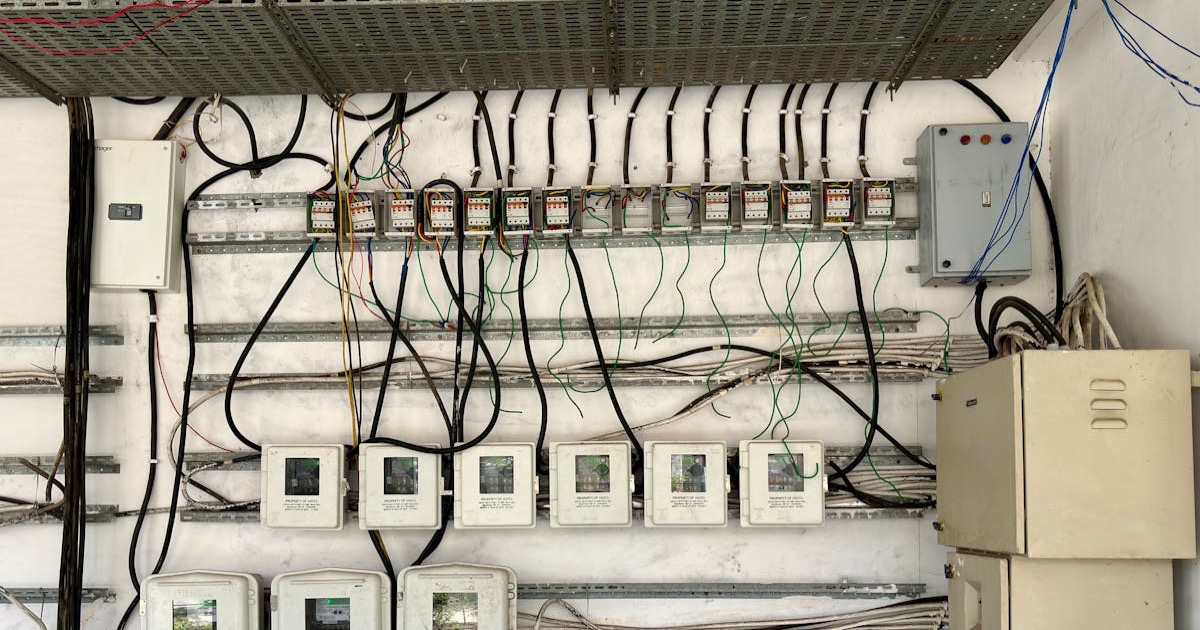
Is Your Electrical Panel Up to Code? Signs It Needs an Upgrade
Your electrical panel is the most critical safety device in your home. If it is outdated, undersized, or a known-hazardous brand, it could fail when you need it most. Learn the signs your panel needs upgrading, what current code requires, and what it costs in BC.
10 Signs Your Furnace Needs Repair or Replacement (And How to Decide)
Is your furnace showing signs of trouble? This guide covers the 10 warning signs that your furnace needs attention, how to decide between repair and replacement, and what costs to expect for both options in British Columbia.