Home Electrical Inspection: What It Covers and How It Could Save Your Life
Learn what a home electrical inspection covers, why annual checks prevent fires, and what inspectors look for. Okanagan homeowners - protect your family today.

Every year in Canada, electrical malfunctions cause over 14,000 house fires. That is not a typo. Fourteen thousand families watch their homes - and sometimes their lives - get destroyed by something that a $165 inspection could have caught.
If you own a home in the Okanagan and you have never had a professional electrical inspection, this post is for you. We are going to walk through exactly what an electrical safety check covers, why the statistics are so alarming, and what happens inside your walls that you cannot see.
Why Electrical Inspections Matter More Than You Think
Most homeowners think about their electrical system the way they think about their skeleton - it is in there, it is working, no need to look at it. But unlike your skeleton, your home's electrical system degrades over time. Connections loosen. Insulation breaks down. Wiring that was perfectly safe 20 years ago can become a ticking time bomb.
According to the Electrical Safety Authority, electrical fires account for approximately 30% of all residential fires in Canada. The National Fire Protection Association (NFPA) reports that electrical distribution equipment is the third leading cause of home structure fires in North America, and the leading cause of home fire deaths when fires start in the walls where occupants cannot see or smell them early.
Here is what makes electrical fires particularly deadly: they often start inside walls. By the time you see smoke or flames, the fire has already been burning for minutes - sometimes hours. A properly conducted electrical inspection targets exactly these hidden dangers.
Electrical fires that start inside walls can burn undetected for extended periods. By the time smoke is visible, escape time may already be critically limited. Annual inspections are the only reliable way to catch these hidden hazards.
What Does a Home Electrical Inspection Actually Cover?
A professional electrical safety check is not someone walking through your house flipping light switches. It is a systematic evaluation of every accessible component in your home's electrical system. Here is what our inspectors check during a My Home Plan electrical safety visit.
1. Electrical Panel Inspection
Your electrical panel is the heart of your home's electrical system. Every amp of power running through your house flows through this box. During an inspection, the technician will:
- Open the panel cover and visually inspect all breakers, bus bars, and wiring connections
- Check for signs of overheating - discoloration, melted plastic, or a burning smell
- Verify proper breaker sizing - undersized breakers trip constantly, but oversized breakers let wires overheat without tripping
- Look for double-tapped breakers - two wires connected to a single breaker terminal, which is a common code violation and fire risk
- Confirm the panel brand and age - certain panels like Federal Pacific and Zinsco have documented failure rates and may need replacement
- Check the main breaker and verify the service size matches your home's needs
Many Okanagan homes built in the 1970s and 1980s still have their original panels. A 40-year-old panel with original breakers is not something you want protecting your family.
2. Outlet and Switch Testing
Every accessible outlet and switch in your home gets tested. This is not just a "does it work" check. The inspector uses specialized testing equipment to verify:
- Correct wiring polarity - reversed hot and neutral wires create shock hazards and can damage electronics
- Proper grounding - ungrounded outlets are a shock risk, especially in kitchens and bathrooms
- Secure connections - loose outlets that move when you plug something in indicate loose wiring behind the cover plate, which causes arcing and fires
- Signs of overheating - warm or discolored outlet covers suggest dangerous conditions behind the wall
- Outlet condition - cracked, painted-over, or damaged outlets need replacement
The inspector will also check that outlets in appropriate locations have tamper-resistant receptacles, which are required by the Canadian Electrical Code for new construction and renovations.
3. GFCI and AFCI Verification
GFCI (Ground Fault Circuit Interrupter) and AFCI (Arc Fault Circuit Interrupter) protection are two of the most important life-safety features in your home's electrical system. Many homeowners do not understand the difference or know whether their home has adequate protection.
GFCI Protection monitors for ground faults - situations where electrical current is flowing through an unintended path, like through your body. GFCIs are required in bathrooms, kitchens, garages, outdoor outlets, and anywhere near water. They trip in as little as 1/40th of a second, fast enough to prevent electrocution.
AFCI Protection detects dangerous arcing - electrical sparks that happen when wires are damaged, loose, or deteriorating. Arc faults are a leading cause of electrical fires. The Canadian Electrical Code now requires AFCI protection on bedroom circuits, and many jurisdictions are expanding that requirement.
During an inspection, every GFCI outlet and breaker is tested to confirm it trips properly. A GFCI that does not trip is worse than having no GFCI at all, because it gives you a false sense of security.
You should test your GFCI outlets monthly by pressing the "Test" button. The outlet should immediately lose power. Press "Reset" to restore it. If a GFCI does not trip when tested, stop using that outlet and call an electrician.
Electrical Safety Check
Starting at $175/visit - included in your plan
4. Smoke and Carbon Monoxide Detector Check
Your smoke and CO detectors are your last line of defense. During an electrical inspection, the technician will:
- Test every detector to confirm it activates properly
- Check battery condition and backup battery function in hardwired units
- Verify proper placement - detectors on the ceiling, within the correct distance from bedrooms, and on every level of the home
- Check the manufacture date - smoke detectors must be replaced every 10 years, and CO detectors every 7 years, regardless of whether they seem to work
- Confirm interconnection - in newer homes, when one detector activates, all detectors should sound
In British Columbia, the BC Building Code requires working smoke detectors on every floor and outside every sleeping area. CO detectors are required in homes with fuel-burning appliances or attached garages.
5. Visible Wiring Inspection
The inspector will examine all accessible wiring throughout your home, including in the attic, basement, crawlspace, and utility areas. They are looking for:
- Damaged insulation - cracked, frayed, or chewed wiring (rodent damage is extremely common in Okanagan attics and crawlspaces)
- Improper splices - wire connections made outside of junction boxes, often found in older homes or where DIY work has been done
- Outdated wiring types - knob-and-tube wiring (pre-1950s) and aluminum wiring (1965-1976) both require special attention
- Overloaded junction boxes - too many wires crammed into too small a box
- Missing cable clamps and connectors - wiring must be properly secured and protected
6. Grounding Verification
Proper grounding is your electrical system's safety valve. When something goes wrong - a short circuit, a lightning strike, a fault in an appliance - grounding provides a safe path for the electricity to follow instead of flowing through you or starting a fire.
The inspector will verify:
- The grounding electrode system - your home should be grounded to a ground rod, water pipe, or other approved electrode
- Bonding connections - metal water pipes, gas pipes, and the electrical panel must be properly bonded
- Ground wire continuity - the ground wire must be continuous from every outlet back to the panel
- Grounding at the panel - the neutral and ground buses must be properly configured
Never remove the third prong from a plug or use a "cheater" adapter to fit a three-prong plug into a two-prong outlet. That third prong is the ground connection, and removing it eliminates a critical safety feature.
Common Electrical Hazards Found During Inspections
After thousands of inspections, certain problems come up again and again. Here are the most common hazards our inspectors find in Okanagan homes.
Overloaded Circuits
Modern homes use far more electricity than homes built even 20 years ago. Home offices, entertainment systems, electric vehicle chargers, and kitchen appliances all draw significant power. When too many devices share a circuit that was not designed for that load, the wires overheat. If the breaker does not trip (and old breakers frequently fail to trip), you have a fire in your walls.
Outdated Wiring
The Okanagan has a significant number of homes built between the 1960s and 1980s with aluminum branch circuit wiring. Aluminum wiring expands and contracts more than copper when it heats up, which loosens connections over time. Loose connections cause arcing. Arcing causes fires. If your home has aluminum wiring, it does not necessarily need to be replaced, but it does need proper maintenance and compatible devices.
DIY Electrical Work
Every inspector has stories about dangerous DIY electrical work. Wires connected with electrical tape instead of wire nuts. Circuits run without proper protection. Junction boxes hidden behind drywall. In British Columbia, homeowners are legally permitted to do some basic electrical work, but the BC Electrical Safety Regulation requires permits and inspections for most electrical modifications. Unpermitted DIY work is one of the most common sources of electrical hazards.
Deteriorating Connections
Even properly installed electrical systems degrade. Screws loosen from thermal cycling. Wire insulation becomes brittle. Connections corrode, especially in damp environments like basements. An annual inspection catches these issues before they become dangerous.
Electrical Safety Check
Starting at $175/visit - included in your plan
Special Concerns for Older Okanagan Homes
The Okanagan has a diverse housing stock, from new construction in West Kelowna to heritage homes in Vernon and everything in between. If your home was built before 1990, there are specific electrical concerns you should be aware of.
Pre-1950: Knob-and-Tube Wiring
Homes built before the 1950s may still have original knob-and-tube wiring. This wiring was not inherently dangerous when installed, but after 70+ years, the rubber insulation has often deteriorated to the point where bare conductors are exposed. Additionally, knob-and-tube wiring was not designed for modern electrical loads and cannot be covered with insulation (it relies on air circulation for cooling). Most insurance companies in BC will either refuse to insure homes with active knob-and-tube wiring or charge significant premiums.
1965-1976: Aluminum Wiring
If your home was built during this period, there is a significant chance it has aluminum branch circuit wiring. As mentioned above, aluminum wiring requires specific maintenance and compatible devices. The connections should be inspected annually and may need to be treated with anti-oxidant compound or retrofitted with COPALUM or AlumiConn connectors.
1970s-1980s: Federal Pacific and Zinsco Panels
Federal Pacific Electric (FPE) Stab-Lok panels and Zinsco panels were widely installed during this era. Independent testing has shown that some FPE breakers fail to trip up to 60% of the time. A breaker that does not trip when it should means overheated wires and potential fire. If your home has one of these panels, replacement is strongly recommended.
Pre-2000: Missing Arc Fault Protection
AFCI breakers became part of the Canadian Electrical Code in the early 2000s. Homes built before then typically do not have arc fault protection on bedroom circuits. While a full electrical upgrade is not always necessary, adding AFCI protection to bedroom circuits is one of the most cost-effective safety improvements you can make.
How Often Should You Get an Electrical Inspection?
The short answer: annually. Here is why.
Electrical systems are dynamic. Your usage patterns change seasonally. Connections loosen gradually. Components age continuously. An inspection is a snapshot of your system's condition at one point in time. Annual inspections create a baseline and allow your inspector to catch trends - a connection that was warm last year and is hot this year, for example.
Certain situations call for an immediate inspection outside your regular schedule:
- After purchasing a home - always get an independent electrical inspection, even if the home passed a general home inspection
- After a major renovation - especially if walls were opened or new circuits were added
- After a storm or power surge - surges can damage wiring, breakers, and connected devices
- If you notice any warning signs - flickering lights, tripping breakers, burning smells, warm outlets, or buzzing sounds
- Before adding major electrical loads - hot tubs, EV chargers, workshop equipment, or home additions
Keep a record of your electrical inspections. When you sell your home, a documented history of annual electrical maintenance is a strong selling point and can prevent delays during the buyer's inspection period.
What Happens If Problems Are Found?
An inspection is not a repair service - it is a diagnostic service. If your inspector finds issues, you will receive a detailed report outlining:
- What was found - the specific problem and its location
- The severity level - from "monitor this" to "fix this immediately"
- Recommended repairs - what needs to be done and by whom
- Code references - which Canadian Electrical Code requirements apply
Minor issues like a missing outlet cover or an untested GFCI can often be resolved during the inspection visit. More significant problems - panel replacements, wiring upgrades, or adding GFCI/AFCI protection - require a licensed electrician and typically a permit from your local authority.
The Real Cost of Skipping Electrical Inspections
A My Home Plan electrical safety check costs $165. Here is what skipping that inspection could cost you:
- Electrical fire damage: average home fire causes $40,000-$100,000+ in damage
- Insurance claim denial: many policies exclude coverage for fires caused by code violations or lack of maintenance
- Higher insurance premiums: homes without documented electrical maintenance often pay higher premiums
- Lost property value: electrical problems discovered during a sale can reduce your home's value by $5,000-$20,000+
- Medical costs: electrical shock injuries can range from minor burns to fatal cardiac arrest
- The irreplaceable: family photos, heirlooms, pets, and lives cannot be valued in dollars
Electrical Safety Check
Starting at $175/visit - included in your plan
Protect Your Okanagan Home Today
Electrical fires do not announce themselves. They do not send warning letters. They start silently inside your walls and spread before you know anything is wrong. A professional electrical inspection is the single most effective way to find and fix hidden electrical hazards before they hurt your family.
My Home Plan's electrical safety check covers everything discussed in this post - panel inspection, outlet testing, GFCI/AFCI verification, smoke and CO detector checks, visible wiring inspection, and grounding verification - all for $165 per visit as part of your annual home maintenance plan.
Your home's electrical system is working right now, powering everything you depend on. Make sure it is working safely.
Ready to simplify your home maintenance?
Get all your home services in one monthly plan. Vetted contractors, guaranteed scheduling, predictable pricing.
Frequently Asked Questions
Why Homeowners Choose My Home Plan
Predictable Pricing
One monthly payment covers everything. No surprise quotes or hidden fees.
Vetted Contractors
Every contractor is background-checked, insured, and reviewed.
Zero Hassle
We handle scheduling, quality control, and follow-ups. You relax.
Related Articles
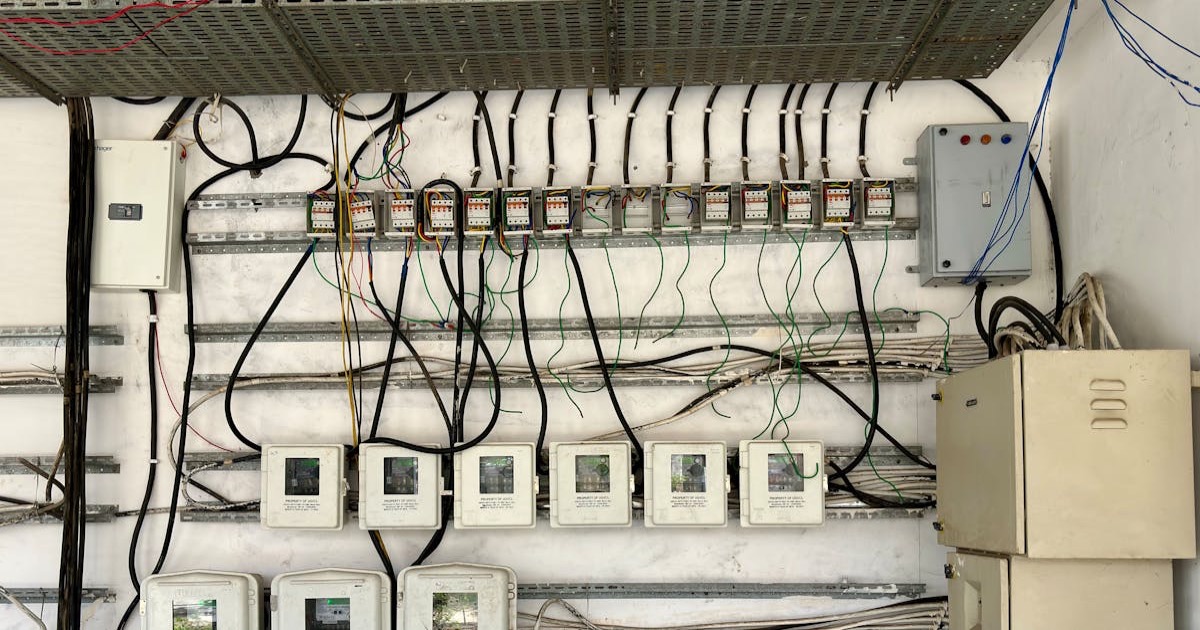
7 Electrical Warning Signs Every Homeowner Should Know
Your home gives you warning signs before an electrical fire starts. Flickering lights, burning smells, tripping breakers, and warm outlets are all red flags. Learn all 7 danger signals, what causes them, and exactly when you need to call a professional.
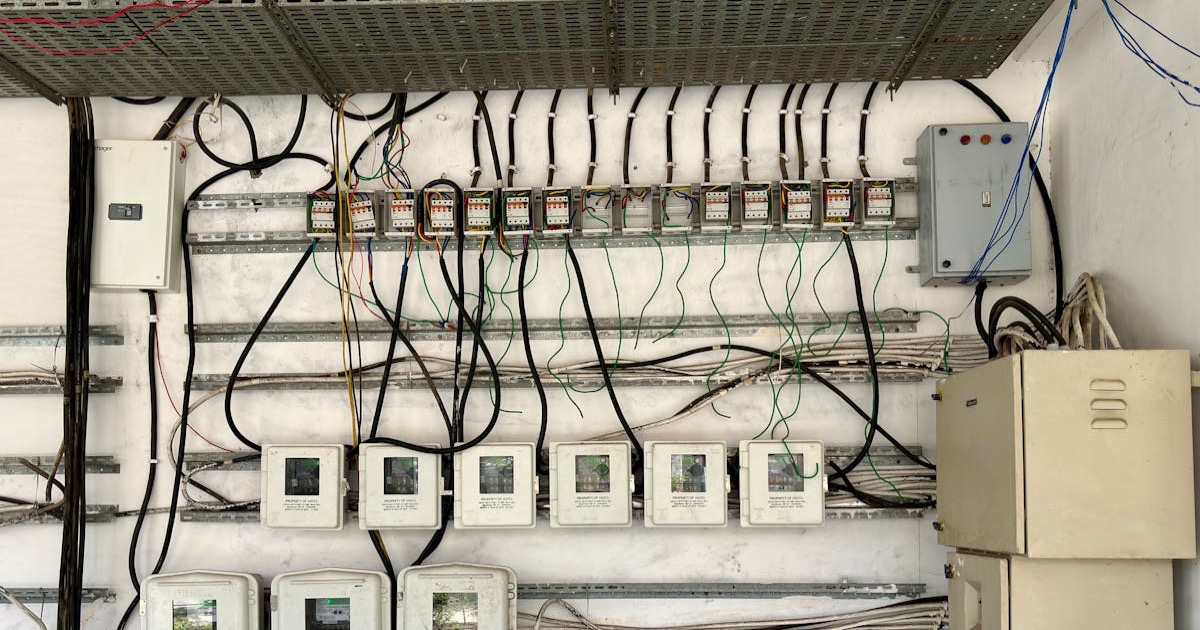
Is Your Electrical Panel Up to Code? Signs It Needs an Upgrade
Your electrical panel is the most critical safety device in your home. If it is outdated, undersized, or a known-hazardous brand, it could fail when you need it most. Learn the signs your panel needs upgrading, what current code requires, and what it costs in BC.
10 Signs Your Furnace Needs Repair or Replacement (And How to Decide)
Is your furnace showing signs of trouble? This guide covers the 10 warning signs that your furnace needs attention, how to decide between repair and replacement, and what costs to expect for both options in British Columbia.