Central Air vs Heat Pump vs Mini Split: Which Is Best for the Okanagan?
Compare central air, heat pumps, and mini splits for the Okanagan climate. Real costs, efficiency ratings, BC rebates, and maintenance needs covered.
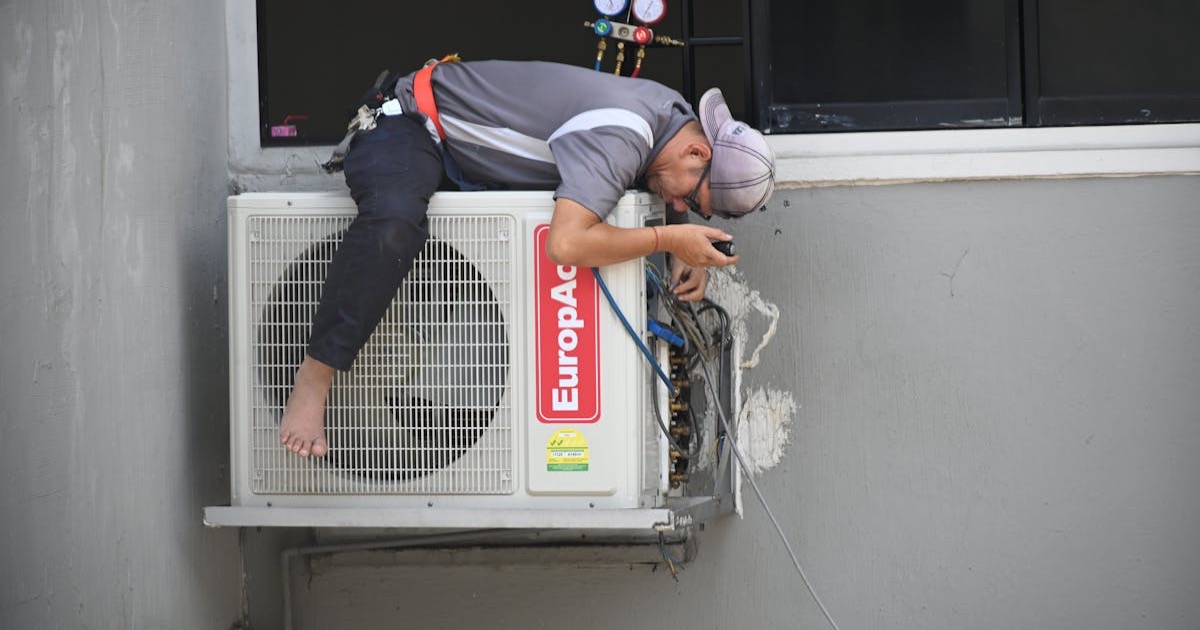
Choosing the right heating and cooling system is one of the most consequential decisions you will make as an Okanagan homeowner. The system you install today will affect your energy bills, comfort, and home value for the next 15-25 years. Pick the wrong system and you are locked into higher operating costs and subpar performance. Pick the right one and you save thousands over its lifespan while keeping your home comfortable through 40-degree summers and -20-degree winters.
The Okanagan presents a unique challenge: extreme heat in summer and genuine cold in winter. You need a system that handles both ends of the spectrum efficiently. That eliminates some options that work well in milder climates and creates a strong case for others.
This guide breaks down the three most common residential HVAC approaches for the Okanagan - central air conditioning with a gas furnace, air source heat pumps, and ductless mini splits - with honest numbers on cost, efficiency, climate suitability, and maintenance.
Understanding the Three Systems
Before comparing them, let's make sure the terminology is clear, because there is a lot of confusion around these systems.
Central Air Conditioning + Gas Furnace (Traditional Split System)
This is the most common setup in Okanagan homes built in the last 40 years. It consists of two separate systems sharing one duct network:
- A gas furnace in the basement or utility room that burns natural gas to produce heat, pushing warm air through the ducts
- A central air conditioner with an outdoor compressor/condenser unit and an indoor evaporator coil (mounted on the furnace) that cools the air circulated through the same duct network
The furnace handles heating. The AC handles cooling. Each system is independent - they just share the blower motor and ductwork.
Air Source Heat Pump (Ducted)
A heat pump is fundamentally an air conditioner that can run in reverse. In summer, it moves heat from inside your home to outside (cooling). In winter, it extracts heat from outdoor air and moves it inside (heating). Yes, there is usable heat energy in outdoor air even at -20 degrees Celsius.
A ducted heat pump replaces both the furnace and the air conditioner with a single system. It uses the same ductwork as a traditional system but handles both heating and cooling with one outdoor unit and one indoor air handler.
Many Okanagan installations use a hybrid (dual fuel) setup: a heat pump for primary heating and cooling with a gas furnace as backup for the coldest days. The system automatically switches between heat pump and furnace based on outdoor temperature and efficiency.
Ductless Mini Split
A mini split is a type of heat pump, but instead of distributing air through ducts, it delivers conditioned air directly into each room through individual wall-mounted indoor units (called heads). One outdoor compressor unit can serve multiple indoor heads (typically 2-5 zones).
Mini splits are the most efficient option because they eliminate duct losses entirely and allow room-by-room temperature control. They are ideal for homes without existing ductwork, additions, converted garages, and supplemental heating/cooling in problem areas.
Purchase and Installation Costs
Let's look at what each system actually costs in the Okanagan market in 2026. These are fully installed prices including equipment, labour, permits, and basic electrical/gas work.
Central Air + Gas Furnace
| Component | Cost Range |
|---|---|
| Mid-efficiency gas furnace (92% AFUE) | $4,500 - $6,500 |
| High-efficiency gas furnace (96%+ AFUE) | $5,500 - $8,000 |
| Central air conditioner (14-16 SEER) | $3,500 - $5,500 |
| Central air conditioner (18+ SEER) | $5,000 - $8,000 |
| Complete system (furnace + AC) | $8,000 - $14,000 |
Ducted Air Source Heat Pump
| Configuration | Cost Range |
|---|---|
| Standard heat pump (heating to -15C) | $5,000 - $9,000 |
| Cold climate heat pump (heating to -25C+) | $7,000 - $12,000 |
| Hybrid system (heat pump + gas furnace backup) | $8,000 - $14,000 |
| Heat pump + new air handler (no existing furnace) | $9,000 - $15,000 |
Ductless Mini Split
| Configuration | Cost Range |
|---|---|
| Single zone (1 outdoor + 1 indoor unit) | $3,500 - $6,000 |
| Dual zone (1 outdoor + 2 indoor units) | $5,500 - $9,000 |
| Tri zone (1 outdoor + 3 indoor units) | $7,000 - $12,000 |
| Whole-home multi-zone (4-5 indoor units) | $10,000 - $18,000 |
These prices do not include available rebates. BC provincial and federal programs can offset $3,000-$6,000+ of the cost for qualifying heat pump installations. We will cover rebates in detail later in this guide.
HVAC Tune-Up
Starting at $155/visit - included in your plan
Operating Costs: The Real Long-Term Picture
Purchase price is a one-time cost. Operating costs accumulate every month for 15-25 years. This is where the differences between systems become significant.
How Efficiency Is Measured
Each system type uses different efficiency metrics, which makes direct comparison confusing. Here is how to interpret them:
Gas furnaces - AFUE (Annual Fuel Utilization Efficiency): A 96% AFUE furnace converts 96% of the gas it burns into heat. The other 4% goes up the flue as exhaust. AFUE maxes out just below 100%.
Air conditioners and heat pumps (cooling mode) - SEER (Seasonal Energy Efficiency Ratio): SEER measures cooling efficiency over a season. Higher numbers are better. Modern units range from 14 SEER (minimum efficiency) to 25+ SEER (premium). A 20 SEER unit uses roughly 30% less electricity for cooling than a 14 SEER unit.
Heat pumps (heating mode) - HSPF (Heating Seasonal Performance Factor): HSPF measures heating efficiency over a season. Minimum is 8.2 HSPF; top units reach 13+ HSPF. An HSPF of 10 means the heat pump delivers 10 BTUs of heat for every watt-hour of electricity consumed.
Heat pumps - COP (Coefficient of Performance): COP is the instantaneous efficiency ratio. A COP of 3.0 means the heat pump delivers 3 units of heat for every 1 unit of electricity consumed. COP varies with outdoor temperature - higher in mild weather, lower in extreme cold.
Annual Operating Cost Comparison
For a typical 2,000 sq ft Okanagan home, here are realistic annual operating costs using 2026 BC utility rates:
Heating Season (October - March):
| System | Annual Heating Cost |
|---|---|
| Standard gas furnace (80% AFUE) | $1,400 - $1,800 |
| High-efficiency gas furnace (96% AFUE) | $1,100 - $1,400 |
| Air source heat pump (standalone) | $800 - $1,200 |
| Hybrid system (heat pump + gas backup) | $700 - $1,100 |
| Ductless mini split (whole home) | $600 - $1,000 |
Cooling Season (June - September):
| System | Annual Cooling Cost |
|---|---|
| Central AC (14 SEER) | $300 - $500 |
| Central AC (18+ SEER) | $200 - $350 |
| Heat pump (cooling mode, 18+ SEER) | $200 - $350 |
| Ductless mini split (cooling mode) | $150 - $300 |
Total Annual Energy Cost (Heating + Cooling):
| System | Total Annual Cost |
|---|---|
| Standard gas furnace + basic AC | $1,700 - $2,300 |
| High-efficiency gas furnace + good AC | $1,300 - $1,750 |
| Air source heat pump (ducted) | $1,000 - $1,550 |
| Hybrid heat pump + gas backup | $900 - $1,450 |
| Ductless mini split (whole home) | $750 - $1,300 |
The operating cost advantage of heat pumps is substantial. Over a 15-year system life, the difference between a standard gas furnace and a heat pump can exceed $10,000 in cumulative energy savings.
BC Hydro's residential electricity rate is among the lowest in North America, while natural gas prices have been rising. This rate structure increasingly favours electric heat pump systems over gas furnaces from an operating cost perspective.
Climate Suitability: Can Heat Pumps Handle Okanagan Winters?
This is the most common question we hear, and the answer has changed dramatically in the last 5-10 years.
The Old Concern
Traditional air source heat pumps (designed for moderate climates like the Lower Mainland or the southern US) lose efficiency rapidly below -5 degrees Celsius and may fail to heat adequately below -10 to -15 degrees. For the Okanagan, where winter temperatures routinely hit -15 to -25 degrees, these older systems were genuinely inadequate as a sole heat source.
The New Reality
Modern cold-climate heat pumps (sometimes called "hyper-heat" or "extreme cold" models) from manufacturers like Mitsubishi, Fujitsu, Daikin, and others are engineered to operate effectively at -25 to -30 degrees Celsius. These systems use enhanced vapour injection (EVI) compressor technology that maintains heating capacity at temperatures that would shut down older models.
What this means for the Okanagan:
The vast majority of Okanagan winter days are above -15 degrees Celsius. At these temperatures, a modern cold-climate heat pump operates at full capacity and high efficiency (COP of 2.0-3.0, meaning it produces 2-3 times more heat energy than the electrical energy it consumes).
On the coldest days - occasional dips to -20 or -25 - the heat pump still operates, but its efficiency drops (COP approaching 1.5-2.0). It can still heat the home, but it is working harder. This is where a hybrid system earns its value: the gas furnace kicks in during extreme cold, when it is more cost-effective than running the heat pump at reduced efficiency.
The Hybrid Approach: Best of Both Worlds
A hybrid (dual-fuel) system combines a heat pump with a gas furnace backup. An outdoor temperature sensor and a smart thermostat coordinate the switchover:
- Above -5 to -10 degrees (adjustable): Heat pump provides all heating at high efficiency
- Below the switchover point: Gas furnace takes over for reliable, consistent heat
- Cooling season: Heat pump handles all cooling (furnace is not involved)
This setup captures 80-90% of the heat pump's efficiency advantages (since most winter hours are above the switchover point) while maintaining the reliability of a gas furnace for the coldest extremes. It is the most popular configuration for new installations in the Okanagan.
HVAC Tune-Up
Starting at $155/visit - included in your plan
System Comparison: Pros and Cons
Central Air + Gas Furnace
Pros:
- Proven, reliable technology that every HVAC contractor can install and service
- Gas furnaces provide strong, consistent heat regardless of outdoor temperature
- Lower upfront cost compared to heat pump systems (before rebates)
- No efficiency loss in extreme cold
- Familiar to most homeowners and home inspectors
Cons:
- Two separate systems to maintain, repair, and eventually replace
- Gas furnace produces carbon emissions (increasingly relevant for home resale and regulation)
- Gas prices have been trending upward in BC
- Standard-efficiency furnaces waste 15-20% of gas consumed
- Ductwork losses reduce overall system efficiency by 20-30%
- No rebate incentives (rebate programs increasingly favour electric systems)
Ducted Air Source Heat Pump
Pros:
- One system handles both heating and cooling
- Dramatically lower operating costs (40-60% less than standard gas furnace)
- Eligible for significant provincial and federal rebates ($3,000-$6,000+)
- No combustion, no carbon monoxide risk, no gas connection needed
- Modern cold-climate models handle Okanagan winters effectively
- Increases home value (energy-efficient homes sell for more)
Cons:
- Higher upfront cost than a gas furnace alone (though rebates close the gap)
- Efficiency decreases in extreme cold (below -15 to -20 degrees)
- Outdoor unit requires space and clearance, and may be visible
- Defrost cycles in winter temporarily reduce heating output
- Still subject to duct losses (20-30%) like traditional systems
- Some homeowners report that heat pump air feels "less warm" than furnace air (it is heated to a lower temperature but delivered in higher volume)
Ductless Mini Split
Pros:
- Highest efficiency of any system (no duct losses + inverter technology)
- Zone control allows heating/cooling only the rooms you are using
- Ideal for homes without existing ductwork (older homes, renovations, additions)
- Very quiet operation (modern indoor units operate at 19-25 dB)
- Individual room temperature control for maximum comfort
- No ductwork to clean, seal, or maintain
- Eligible for same rebates as ducted heat pumps
Cons:
- Indoor wall units are visible and not everyone likes the aesthetic
- Whole-home coverage requires multiple indoor units (higher cost)
- Each indoor unit requires a hole through the exterior wall for the refrigerant line
- Not ideal for very large open floor plans (may need supplemental distribution)
- Some models struggle with very low humidity levels in winter
- Installation requires specialized skills (not all HVAC contractors are experienced with mini splits)
- Multi-zone systems have more components that may need service
Do not undersize a heat pump system based on mild-weather capacity ratings. The system must be sized based on your home's heat loss at the coldest expected temperature (design temperature). In the Okanagan, use a design temperature of -20 to -25 degrees. An undersized heat pump will rely too heavily on backup heat, eliminating the efficiency advantage.
BC Rebates and Incentives (2026)
One of the strongest arguments for heat pump systems in BC is the generous rebate landscape. These programs significantly reduce the cost gap between heat pumps and traditional gas systems.
CleanBC Better Homes and Home Renovation Rebate Program
The provincial CleanBC program offers rebates for switching from fossil fuel heating to electric heat pump systems:
- Air source heat pump (ducted or ductless): Rebates typically range from $3,000-$6,000
- Income-qualified enhanced rebates: Lower-income households may qualify for rebates covering a much larger portion of the cost
- Requirement: Must be switching from a fossil fuel (gas, oil, propane) primary heating system
Federal Canada Greener Homes Grant
The federal program has offered grants for qualifying heat pump installations:
- Heat pump installation: Up to $5,000 in grants
- Requires: Pre- and post-retrofit EnerGuide energy evaluation (cost: approximately $300-$600)
- Processing: Applications can take several months, so plan ahead
Stacking Rebates
Provincial and federal rebates can typically be stacked (combined), meaning a heat pump installation that costs $10,000 could receive $3,000-$5,000 in provincial rebates plus up to $5,000 in federal grants. In the best-case scenario, the net cost of a heat pump system can be comparable to or less than a traditional gas furnace and AC setup.
Rebate programs change frequently. Always verify current programs and eligibility before making a purchase decision. Your HVAC contractor should be familiar with available rebates and can often help with the application paperwork. You can also check the CleanBC website and the Canada Greener Homes website for current program details.
FortisBC Rebates
FortisBC occasionally offers rebates for high-efficiency gas equipment (furnaces, water heaters). These are typically smaller than heat pump rebates ($400-$1,000) but can help offset the cost if you decide to stay with gas heating.
HVAC Tune-Up
Starting at $155/visit - included in your plan
Maintenance Requirements by System
Every HVAC system needs regular maintenance. Here is what each system requires:
Central Air + Gas Furnace Maintenance
Professional maintenance (twice per year - $145/visit):
- Fall (furnace): Heat exchanger inspection, burner cleaning, ignition system check, combustion analysis, safety control testing, gas pressure verification, flue inspection
- Spring (AC): Refrigerant level check, coil cleaning, condensate drain clearing, electrical component testing, compressor performance check
Homeowner tasks (monthly):
- Change furnace filter (every 30-90 days depending on type)
- Keep outdoor AC unit clear of debris
- Check thermostat function and batteries
Ducted Heat Pump Maintenance
Professional maintenance (twice per year - $145/visit):
- Fall: Heating mode performance test, refrigerant check, defrost system verification, reversing valve inspection, electrical connections, coil cleaning, filter inspection
- Spring: Cooling mode performance test, refrigerant level check, coil cleaning, condensate system, blower assembly inspection, electrical component testing
Homeowner tasks (monthly/seasonal):
- Change air filter (same schedule as furnace)
- Keep outdoor unit clear of debris, leaves, and snow
- Verify defrost cycle operates in winter (outdoor unit should periodically switch to defrost mode and melt ice accumulation)
- Maintain 18-24 inches of clearance around outdoor unit in all seasons
Ductless Mini Split Maintenance
Professional maintenance (annually - though twice per year is recommended for Okanagan's extreme temperature range):
- Refrigerant level verification, coil deep cleaning (indoor and outdoor units), electrical testing, drainage check, operational performance testing
Homeowner tasks (every 2-4 weeks):
- Clean or wash indoor unit filters (most mini split filters are reusable - remove, rinse, dry, reinstall)
- Wipe down indoor unit exterior (prevents dust from being recirculated)
- Keep outdoor unit clear of snow, ice, and debris
- Listen for unusual noises from indoor or outdoor units
Mini split filters need more frequent attention than ducted system filters because they are smaller and closer to the living space. The upside is that cleaning them takes about 60 seconds per unit - pull the filter out, rinse under warm water, let it dry, and slide it back in. No replacement filters to buy.
Which System Is Best for Your Okanagan Home?
There is no single "best" system. The right choice depends on your specific situation. Here is a decision framework:
Choose Central Air + Gas Furnace If:
- You have an existing duct system in good condition
- You prefer the lowest upfront cost and are comfortable with higher operating costs
- Your home already has a gas connection and you want to keep it
- You are not planning to stay in the home long enough for heat pump energy savings to pay back the higher upfront cost
- You prefer the feel of furnace heat (higher-temperature supply air)
Choose a Ducted Heat Pump (or Hybrid) If:
- You have existing ductwork and want to reduce operating costs and carbon footprint
- You are replacing a failing furnace or AC and want a single system that does both
- You plan to stay in the home 5+ years (allowing energy savings to recoup the cost difference)
- You want to take advantage of available rebates
- You want a hybrid system that combines heat pump efficiency with gas furnace reliability for extreme cold
Choose Ductless Mini Splits If:
- Your home does not have existing ductwork (older home, post and beam, etc.)
- You are adding heating/cooling to an addition, converted garage, or bonus room
- You want the highest possible efficiency and zone-by-zone temperature control
- You are comfortable with the aesthetic of wall-mounted indoor units
- You have specific comfort issues (one room that is always too hot or cold) that a zoned system would solve
- You are building new and want to avoid the cost of installing ductwork
The Okanagan-Specific Recommendation
For most Okanagan homeowners with existing ductwork who are replacing an aging system, we recommend a hybrid heat pump system - a cold-climate heat pump paired with a gas furnace backup. This configuration:
- Captures the efficiency benefits of heat pump heating for 80-90% of the heating season
- Provides reliable gas heat during the rare extreme cold events
- Handles summer cooling with a single system
- Qualifies for provincial and federal rebates
- Offers the best balance of efficiency, reliability, and comfort for the Okanagan's dual-extreme climate
For homes without ductwork, a whole-home ductless mini split system is the clear winner. The cost of installing new ductwork ($5,000-$10,000) plus a traditional system often exceeds the cost of a multi-zone mini split setup, and the mini split will be more efficient and provide better zone control.
Long-Term Cost Comparison (15-Year Outlook)
To make the financial case clear, here is a 15-year total cost of ownership comparison for a 2,000 sq ft Okanagan home:
Central Air + High-Efficiency Gas Furnace
- Equipment and installation: $10,000
- 15 years of operating costs: $22,500 (avg $1,500/year)
- Maintenance (30 visits at $145): $4,350
- One major repair: $1,000
- 15-year total: approximately $37,850
Hybrid Heat Pump System (before rebates)
- Equipment and installation: $12,000
- 15 years of operating costs: $15,000 (avg $1,000/year)
- Maintenance (30 visits at $145): $4,350
- One major repair: $1,200
- 15-year total: approximately $32,550
- With $5,000 in rebates: approximately $27,550
Whole-Home Ductless Mini Split (before rebates)
- Equipment and installation: $14,000
- 15 years of operating costs: $13,500 (avg $900/year)
- Maintenance (30 visits at $145): $4,350
- One major repair: $1,200
- 15-year total: approximately $33,050
- With $5,000 in rebates: approximately $28,050
The hybrid heat pump system with rebates comes out $10,000+ ahead of the traditional gas system over 15 years. Even without rebates, the heat pump systems save $4,000-$5,000 over their lifespan through lower operating costs.
Protecting Your Investment: Maintenance Matters for Every System
Regardless of which system you choose, regular professional maintenance is non-negotiable. Every system type delivers its best efficiency, longest lifespan, and most reliable performance when properly maintained.
A $145 professional tune-up twice per year protects a $10,000-$15,000 investment, reduces energy bills by 15-25%, and catches developing problems before they become expensive emergencies. It is the highest-return home maintenance investment you can make.
My Home Plan coordinates your HVAC maintenance as part of your home maintenance subscription. No scheduling, no forgotten appointments, no surprise bills. Your system gets the care it needs to perform at its best, year after year.
Ready to simplify your home maintenance?
Get all your home services in one monthly plan. Vetted contractors, guaranteed scheduling, predictable pricing.
Frequently Asked Questions
Why Homeowners Choose My Home Plan
Predictable Pricing
One monthly payment covers everything. No surprise quotes or hidden fees.
Vetted Contractors
Every contractor is background-checked, insured, and reviewed.
Zero Hassle
We handle scheduling, quality control, and follow-ups. You relax.
Related Articles
How Often Should You Change Your Furnace Filter? The Definitive Answer
The answer to how often you should change your furnace filter depends on the type of filter, your household conditions, and the season. This guide breaks down every filter type, MERV rating, and the factors that shorten or extend filter life.
The Complete HVAC Maintenance Schedule Every Homeowner Needs (2026 Guide)
A complete HVAC maintenance schedule covering monthly, seasonal, and annual tasks. Learn exactly what to do yourself and when to call a professional to keep your heating and cooling system running efficiently for years longer.
How to Lower Your Heating Bill This Winter: 15 Proven Strategies That Actually Work
Fifteen actionable strategies to reduce your winter heating bill, ranked by cost and impact. Covers everything from free thermostat adjustments to high-return insulation upgrades, with real savings numbers for each approach.