The Complete HVAC Maintenance Schedule Every Homeowner Needs (2026 Guide)
Follow this proven HVAC maintenance schedule to extend your system's life 5-10 years and cut energy bills 15-25%. Monthly, seasonal, and annual tasks covered.
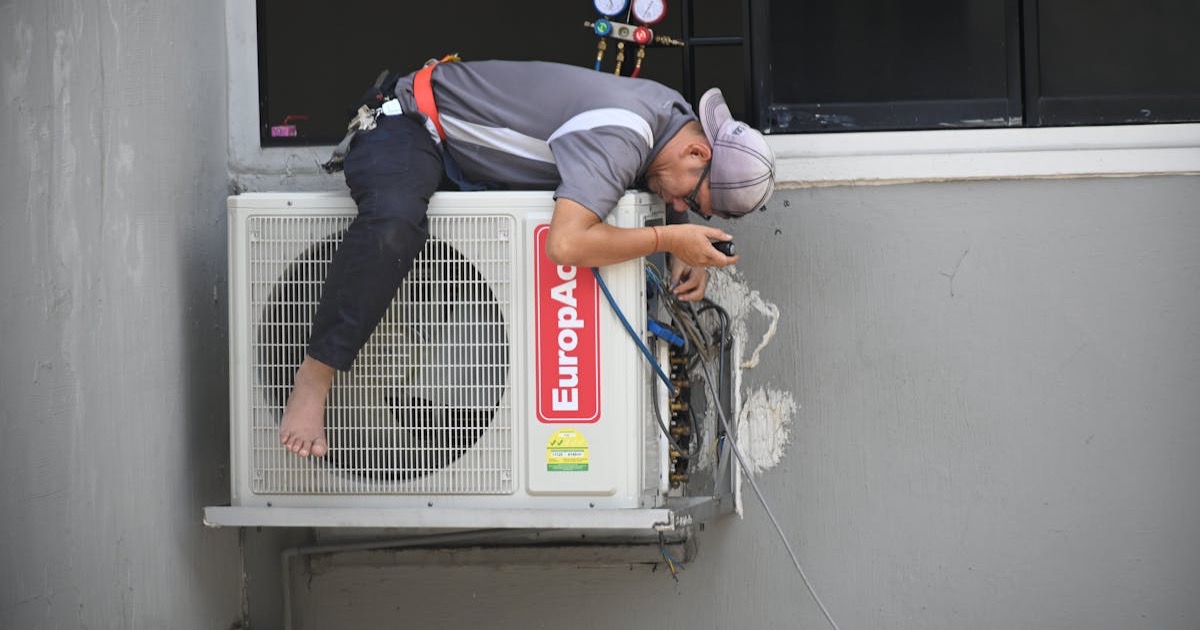
Your HVAC system is the most expensive mechanical system in your home. A typical furnace and air conditioning setup costs $8,000 to $15,000 to replace, and for most Okanagan homeowners, it accounts for 40-60% of their total energy bill. Despite this, most people ignore their HVAC system until something breaks - usually on the coldest night of the year or the hottest day of summer.
Following a consistent HVAC maintenance schedule is the single most effective way to protect your investment. Research from the U.S. Department of Energy shows that regular maintenance extends system lifespan by 5-10 years and reduces energy consumption by 15-25%. That translates to real dollars: hundreds saved each year on utility bills and thousands saved by delaying a full system replacement.
This guide lays out exactly what needs to happen, when it needs to happen, and whether you should do it yourself or call a professional.
Why HVAC Maintenance Matters More Than You Think
Before diving into the schedule, it helps to understand what happens when maintenance gets skipped. Every month your HVAC system runs without proper care, small problems compound. A dirty filter restricts airflow, which forces the blower motor to work harder, which increases electrical draw, which heats up components, which accelerates wear on bearings and belts.
A single skipped filter change might cost you an extra $10-15 in energy that month. But six months of neglect can lead to a frozen evaporator coil, a burned-out motor, or a cracked heat exchanger - repairs that run $500 to $2,000 or more.
Here is what consistent maintenance actually delivers:
- Lower energy bills: A clean, well-tuned system uses 15-25% less energy than a neglected one. For a household spending $200/month on heating and cooling, that is $360-$600 back in your pocket each year.
- Fewer breakdowns: 80% of HVAC failures are caused by lack of maintenance, according to industry data. Most emergency repair calls could have been prevented with routine service.
- Longer system life: The average furnace lasts 15-20 years with maintenance, but only 10-12 years without it. Air conditioners follow the same pattern. That is 5-10 extra years before you face a $10,000+ replacement bill.
- Better air quality: Your HVAC system circulates all the air in your home 5-7 times per day. Dirty filters, moldy coils, and dusty ductwork mean you are breathing contaminated air every minute you are inside.
- Warranty protection: Most manufacturers require proof of annual maintenance to honour warranty claims. Skip it, and a $3,000 compressor replacement comes out of your pocket.
Monthly HVAC Maintenance Tasks (DIY)
These are tasks every homeowner can and should do themselves. They take 10-15 minutes and require no special tools or knowledge.
Check and Replace Your Air Filter
This is the single most important thing you can do for your HVAC system. A clogged filter is the number one cause of HVAC problems.
Pull out your filter and hold it up to a light source. If you cannot see light through it, it needs to be replaced. Even if it looks okay, follow the replacement schedule for your filter type:
- 1-inch fibreglass filters: Replace every 30 days
- 1-inch pleated filters: Replace every 60-90 days
- 4-inch pleated filters: Replace every 6-12 months
- Washable filters: Clean every 30 days
If you have pets, allergies, or live on a dusty road (common in the Okanagan), replace filters 25-50% more frequently.
Write the installation date on the edge of every new filter with a permanent marker. This removes the guesswork about when it was last changed.
Inspect Your Vents and Registers
Walk through every room and make sure all supply and return vents are open and unobstructed. Furniture, curtains, rugs, and storage boxes commonly block vents without anyone noticing. Blocked vents create pressure imbalances that force your system to work harder and can cause hot and cold spots throughout your home.
Check Your Thermostat
Verify your thermostat is set correctly and functioning properly. If you have a programmable or smart thermostat, confirm your schedules are still appropriate for the season. Check batteries if applicable - a dead thermostat battery can shut down your entire system.
Listen and Observe
Turn your system on and listen. You should hear the system start smoothly, run quietly, and cycle off cleanly. New sounds - grinding, squealing, banging, clicking, or rattling - are early warning signs of developing problems. Note any unusual smells, especially burning or musty odours.
HVAC Tune-Up
Starting at $155/visit - included in your plan
Spring HVAC Maintenance Schedule (March - May)
Spring maintenance prepares your cooling system for summer and addresses any wear from the heating season. In the Okanagan, this should happen in April or early May, before the first heat wave hits.
Professional Spring Tasks
A licensed HVAC technician should perform these tasks during your spring tune-up:
Air Conditioning System
- Clean the evaporator coil (indoor unit)
- Clean the condenser coil (outdoor unit)
- Check refrigerant levels and test for leaks
- Clear the condensate drain line
- Inspect and tighten electrical connections
- Test capacitors and contactors
- Measure airflow across the evaporator
- Test the system's cooling output (temperature split)
General System
- Inspect and clean the blower assembly
- Check blower motor amperage draw
- Lubricate all moving parts
- Calibrate the thermostat
- Inspect ductwork for leaks or damage
- Test all safety controls and switches
- Check the system's refrigerant charge
DIY Spring Tasks
Before and after your professional visit, handle these yourself:
- Clear the outdoor unit: Remove leaves, grass clippings, branches, and debris from around your condenser unit. Maintain at least 2 feet of clearance on all sides for proper airflow.
- Clean the outdoor unit fins: Gently spray the condenser fins with a garden hose (not a pressure washer) to remove dirt buildup from winter.
- Check the condensate drain: Pour a cup of bleach mixed with water down the drain line to prevent algae and mold buildup.
- Swap your thermostat: Switch from heating to cooling mode. If you use a programmable thermostat, update your schedule for longer days and warmer temperatures.
- Open and clean ceiling registers: Dust or vacuum all supply and return registers throughout the house.
Never run your air conditioner if the outdoor temperature is below 15 degrees Celsius. Running AC in cold weather can damage the compressor. Wait until consistent warm weather arrives before testing your cooling system.
Summer HVAC Maintenance Tasks (June - August)
Summer in the Okanagan can push temperatures above 40 degrees Celsius. Your air conditioning system is working its hardest, and that is when small issues become big problems.
Monthly Summer Tasks
- Check and replace your air filter (critical in summer when the system runs more)
- Keep the area around the outdoor unit clear - trim grass and vegetation regularly
- Ensure the outdoor unit is level (settling can occur over time)
- Monitor your energy bills for unexpected spikes, which indicate declining efficiency
- Check that the condensate drain is flowing freely (no standing water near the indoor unit)
Signs Your AC Needs Attention During Summer
Do not wait for your fall tune-up if you notice any of these during the cooling season:
- The system runs constantly without reaching the set temperature
- You hear unusual noises from either the indoor or outdoor unit
- Warm air is coming from supply vents
- There is ice forming on the refrigerant lines or indoor coil
- Water is leaking around the indoor unit
- Your energy bills spike without a change in usage
HVAC Tune-Up
Starting at $155/visit - included in your plan
Fall HVAC Maintenance Schedule (September - November)
Fall maintenance is arguably the most critical service of the year for Okanagan homeowners. Heating season here runs from October through April, and your furnace will log thousands of hours. You want it inspected before you depend on it.
Schedule your fall tune-up in September or early October, before the first cold snap.
Professional Fall Tasks
Your technician should perform a comprehensive furnace inspection:
Furnace and Heating System
- Inspect the heat exchanger for cracks or corrosion (this is a safety-critical check - a cracked heat exchanger can leak carbon monoxide)
- Test the ignition system (electronic ignition or hot surface igniter)
- Check and adjust the burner assembly
- Measure combustion gases and flue draft
- Inspect the flue pipe and venting system
- Test the gas valve and gas pressure
- Check the flame sensor and clean if needed
- Inspect and test the blower motor and assembly
- Test all safety limit switches
- Check the thermocouple or flame rod
- Measure supply and return air temperatures
General System
- Inspect and clean the blower wheel
- Check the drive belt for wear and proper tension (if applicable)
- Lubricate all bearings and moving parts
- Test thermostat operation and calibration
- Inspect electrical wiring and connections
- Measure voltage and amperage on all motors
- Test carbon monoxide levels in the home
A cracked heat exchanger is a serious safety hazard that can release carbon monoxide into your home. This is the number one reason to never skip your fall HVAC tune-up. Carbon monoxide is odourless and colourless - you will not know it is there until people start getting sick. Make sure you have working CO detectors on every level of your home.
DIY Fall Tasks
- Replace your furnace filter with a fresh one to start the heating season clean
- Test your heating system before you actually need it - run it for 30 minutes on a mild day and check for unusual smells or sounds
- Check your carbon monoxide detectors - replace batteries and test the alarm function
- Inspect visible ductwork in your basement or crawlspace for disconnections, gaps, or damage
- Seal drafts around windows and doors to reduce heat loss and ease the load on your furnace
- Reverse ceiling fans to clockwise rotation to push warm air down from the ceiling
- Clear the area around your furnace - remove any stored items, chemicals, or flammable materials
Winter HVAC Maintenance Tasks (December - February)
Your furnace is running hard through the Okanagan winter. Your primary job is monitoring the system and keeping up with filter changes.
Monthly Winter Tasks
- Check and replace the air filter every 30-60 days (the system runs more in winter, so filters clog faster)
- Monitor your heating bills and compare month-to-month
- Keep supply and return vents clear of holiday decorations, furniture rearrangements, and stored items
- Check that your humidifier is working properly if you have one (Okanagan winters are dry)
- Clear snow and ice away from any exterior vents, exhaust pipes, or intake pipes
Winter Emergency Preparedness
Know where your furnace's power switch and gas shut-off valve are located before an emergency happens. If your furnace fails in the middle of a cold snap, you need to act fast to prevent frozen pipes. Keep a space heater on hand as backup, and know the number of a 24/7 HVAC service provider.
HVAC Tune-Up
Starting at $155/visit - included in your plan
Professional HVAC Inspection vs. DIY: Where to Draw the Line
Understanding what you can do yourself and what requires a professional is important for both safety and cost management.
Safe for DIY
- Changing air filters
- Cleaning supply and return registers
- Clearing debris from the outdoor unit
- Basic thermostat troubleshooting
- Checking and replacing thermostat batteries
- Pouring bleach solution down the condensate drain
- Visual inspection of ductwork
- Cleaning the area around your furnace and outdoor unit
- Testing CO detectors and smoke alarms
Requires a Licensed Professional
- Anything involving gas lines or gas connections
- Refrigerant handling (legally requires certification)
- Electrical component testing and repair
- Heat exchanger inspection
- Combustion analysis
- Blower motor repair or replacement
- Ductwork modification or sealing
- Any work inside the furnace cabinet
- Thermostat wiring
A good rule of thumb: if it requires opening a panel, removing a cover, or touching wires, call a professional. The risk of injury, system damage, or voiding your warranty is not worth the savings.
What a Professional HVAC Tune-Up Actually Includes
Many homeowners skip professional maintenance because they do not understand what they are paying for. A thorough HVAC tune-up is far more than a quick visual inspection. Here is what a qualified technician does during a typical visit:
- System performance testing - Measuring input and output temperatures, airflow, and static pressure to verify the system is operating within manufacturer specifications
- Electrical inspection - Checking all wiring connections, measuring voltage and amperage on motors, testing capacitors, and inspecting contactors for pitting or wear
- Safety testing - Verifying all safety switches and controls are functioning, testing for gas leaks, measuring carbon monoxide levels, and inspecting the heat exchanger
- Cleaning - Removing dirt and buildup from the blower wheel, evaporator coil, burner assembly, and flame sensor, all of which directly affect efficiency
- Lubrication - Applying manufacturer-specified lubricant to all bearings and moving parts to reduce friction and wear
- Calibration - Ensuring the thermostat is accurately reading and controlling temperature
- Documentation - Providing a detailed report of the system's condition, any issues found, and recommendations for repair or improvement
At $145 per visit, a professional HVAC tune-up is one of the highest-return investments in home maintenance. Two visits per year totals $290 - far less than a single emergency repair call, which typically starts at $300-$500 just for the diagnostic fee.
Building Your Annual HVAC Maintenance Calendar
Here is a month-by-month breakdown you can follow:
January - February: Monthly filter check. Monitor heating bills. Keep exterior vents clear of snow.
March: Order new filters for the year. Schedule your spring professional tune-up.
April - May: Spring professional tune-up. Clean outdoor unit. Switch thermostat to cooling mode. Clear condensate drain.
June - August: Monthly filter checks. Keep outdoor unit clear. Monitor cooling performance and energy bills.
September: Schedule your fall professional tune-up. Start preparing for heating season.
October - November: Fall professional tune-up. Test heating system. Check CO detectors. Replace filter. Seal drafts.
December: Monthly filter check. Monitor heating performance. Keep exterior vents clear.
The Cost of Skipping HVAC Maintenance
To put this in perspective, here is what Okanagan homeowners typically spend when maintenance is neglected:
- Emergency repair call (diagnostic only): $150-$300
- Blower motor replacement: $400-$800
- Evaporator coil replacement: $800-$2,000
- Compressor replacement: $1,500-$3,000
- Heat exchanger replacement: $1,500-$3,500
- Full furnace replacement: $4,000-$8,000
- Full AC replacement: $4,000-$8,000
- Complete HVAC system replacement: $8,000-$15,000+
Compare that to $290 per year for two professional tune-ups. The math is clear.
My Home Plan members never have to remember scheduling or tracking their HVAC maintenance. Your spring and fall tune-ups are built into your subscription, and we handle the scheduling, reminders, and service coordination for you.
Stop Guessing, Start Maintaining
Your HVAC system does not need to be a source of stress or surprise expenses. With a consistent maintenance schedule - monthly filter checks, seasonal DIY tasks, and two professional tune-ups per year - you can keep your system running efficiently for years longer than the average homeowner.
The key is consistency. The homeowners who save the most money on heating and cooling are not the ones who buy the most expensive equipment. They are the ones who take care of what they have.
Ready to simplify your home maintenance?
Get all your home services in one monthly plan. Vetted contractors, guaranteed scheduling, predictable pricing.
Frequently Asked Questions
Why Homeowners Choose My Home Plan
Predictable Pricing
One monthly payment covers everything. No surprise quotes or hidden fees.
Vetted Contractors
Every contractor is background-checked, insured, and reviewed.
Zero Hassle
We handle scheduling, quality control, and follow-ups. You relax.
Related Articles
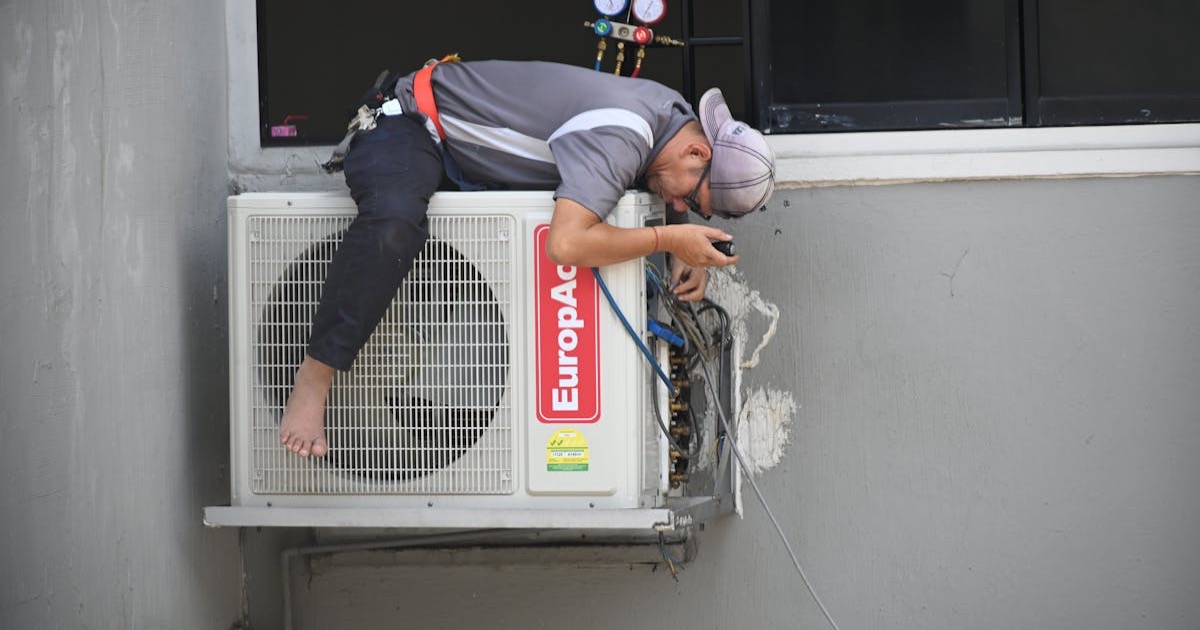
Central Air vs Heat Pump vs Mini Split: Which Is Best for the Okanagan?
A detailed comparison of central air conditioning, air source heat pumps, and ductless mini splits for Okanagan homeowners. Covers purchase costs, operating costs, efficiency, climate suitability, available BC rebates, and maintenance requirements for each system.
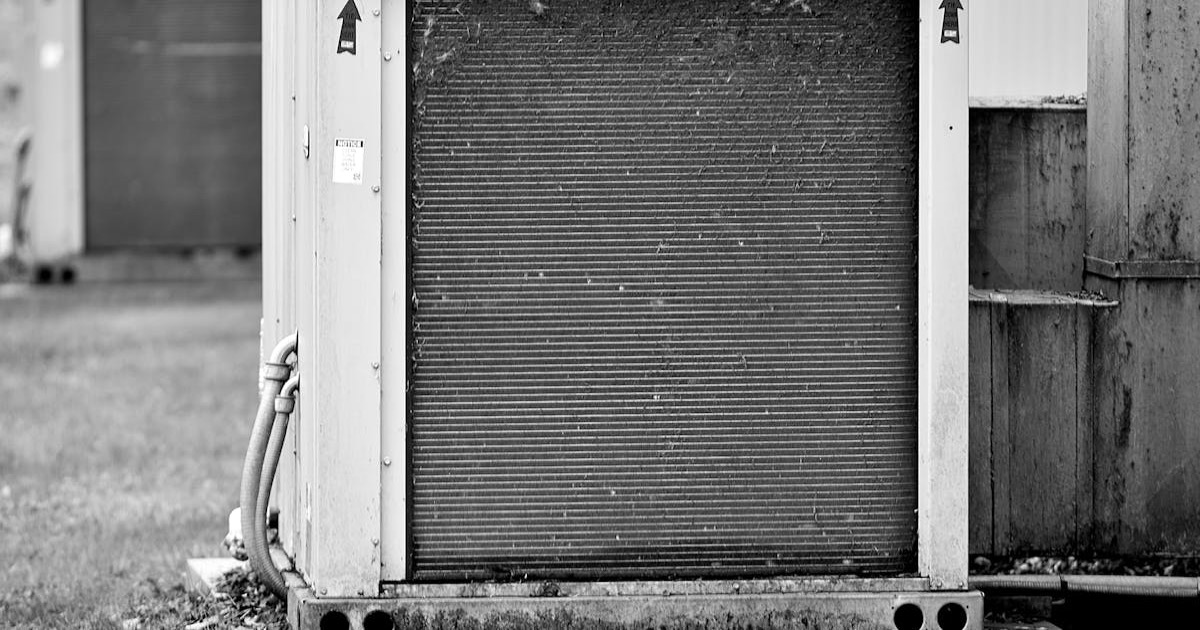
How Often Should You Change Your Furnace Filter? The Definitive Answer
The answer to how often you should change your furnace filter depends on the type of filter, your household conditions, and the season. This guide breaks down every filter type, MERV rating, and the factors that shorten or extend filter life.
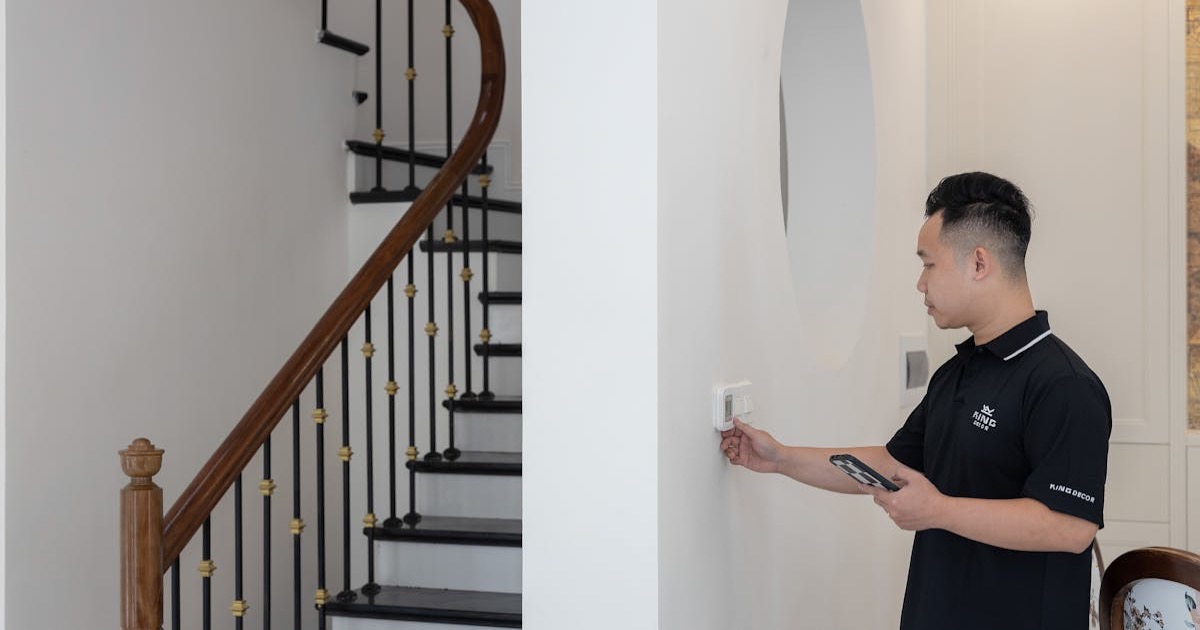
How to Lower Your Heating Bill This Winter: 15 Proven Strategies That Actually Work
Fifteen actionable strategies to reduce your winter heating bill, ranked by cost and impact. Covers everything from free thermostat adjustments to high-return insulation upgrades, with real savings numbers for each approach.