How to Lower Your Heating Bill This Winter: 15 Proven Strategies That Actually Work
Cut your heating bill 15-40% with these 15 proven strategies. From thermostat optimization to insulation upgrades, real savings for Okanagan homeowners.
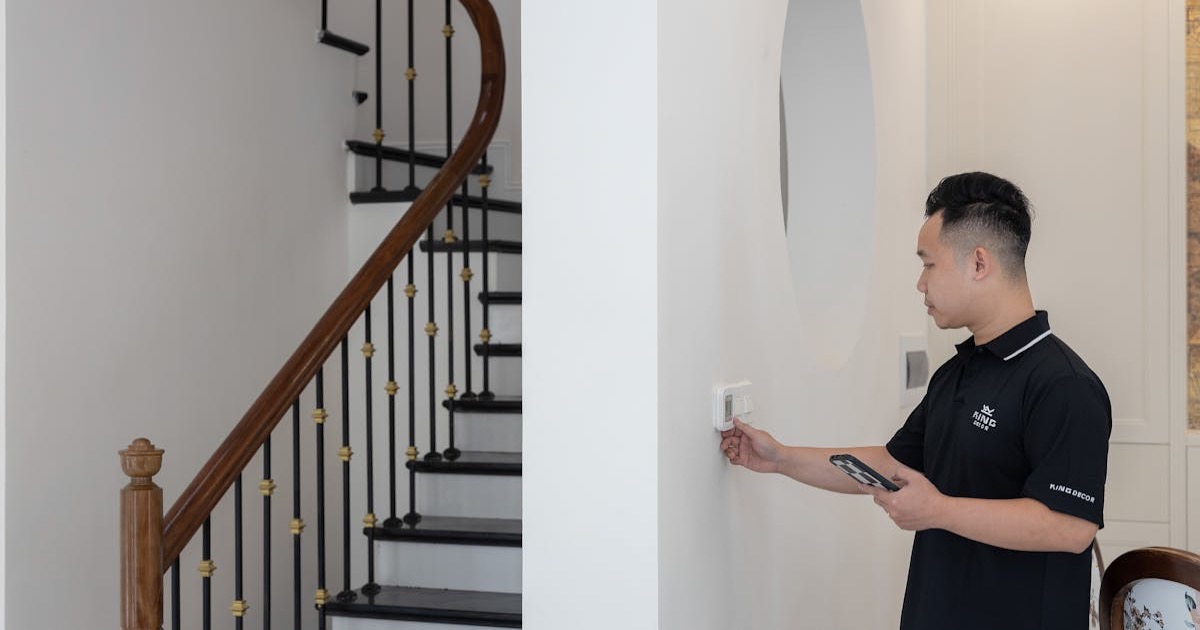
Heating your home is one of your largest ongoing expenses. For Okanagan homeowners, winter heating costs typically range from $150 to $400 per month depending on home size, insulation quality, heating system type, and how you use your thermostat. Over a six-month heating season (October through March), that adds up to $900 to $2,400 per year.
The good news is that most homes are wasting 20-40% of the energy they pay for. Air leaks through drafty windows and doors, heat escapes through poorly insulated attics and walls, furnaces run harder than they need to because of dirty filters and deferred maintenance, and thermostats are set higher than necessary because the home feels cold due to drafts and poor insulation.
These 15 strategies attack every major source of heat waste. They are ranked roughly by return on investment, starting with free changes and working up to larger investments. Most homeowners can realistically cut their heating bill by 15-40% by implementing a combination of these approaches.
Free Strategies (No Cost)
1. Optimize Your Thermostat Settings
This single change can save 10-15% on your heating bill with zero investment. The key numbers:
- While home and awake: Set to 20 degrees Celsius (68 degrees Fahrenheit). This is comfortable for most people in a sweater. Every degree above 20 costs approximately 3% more in heating.
- While sleeping: Drop to 17-18 degrees Celsius. Your body is under blankets and generates its own heat. Most people sleep better in cooler temperatures anyway.
- While away from home: Drop to 15-16 degrees Celsius. There is no reason to heat an empty house to full comfort temperature.
A common concern is that "it costs more to reheat the house than to keep it warm." This is a persistent myth. The rate of heat loss from a building is proportional to the temperature difference between inside and outside. A cooler house loses heat more slowly, which means less total energy consumed over the setback period, even accounting for the recovery period.
The one exception: if you have a heat pump, avoid large temperature setbacks (more than 2-3 degrees). Heat pumps are most efficient in steady-state operation. Large setbacks cause the heat pump to engage its backup electric resistance heating to recover quickly, which is expensive. Small, gradual adjustments work best with heat pump systems.
2. Use Your Ceiling Fans in Reverse
Most ceiling fans have a switch on the motor housing that reverses the blade direction. In winter, set fans to run clockwise at low speed. This pushes the warm air that collects at the ceiling back down to living level without creating a drafty breeze.
This is especially effective in rooms with high or vaulted ceilings, where several degrees of usable warmth can be trapped above head height. Running a ceiling fan costs about $0.01 per hour - a fraction of what that wasted warm air costs to produce.
3. Open South-Facing Curtains During the Day
Solar heat gain through south-facing windows is free energy. On sunny winter days (and the Okanagan gets plenty of them), open curtains and blinds on south-facing windows to let sunlight warm the room. Close them at sunset to retain that heat. A south-facing window in direct sun can provide the equivalent of a small space heater - 100 to 500 watts of heat depending on the window size.
Close curtains on north-facing windows during the day, as these windows lose more heat than they gain in winter.
4. Close Doors to Unused Rooms
If you have guest rooms, formal dining rooms, or other spaces that are not used daily, close the doors and partially close the supply vents. This is not a substitute for proper HVAC zoning, but it does reduce the total volume of space your furnace needs to heat. Do not close more than 20-25% of your vents, as excessive restriction can cause pressure problems in the duct system.
5. Keep Vents and Registers Clear
Walk through every room and make sure supply and return vents are not blocked by furniture, curtains, rugs, or stored items. A blocked vent forces the system to work harder and creates uncomfortable temperature imbalances. Moving a couch six inches away from a vent costs nothing and can noticeably improve comfort and efficiency.
HVAC Tune-Up
Starting at $155/visit - included in your plan
Low-Cost Strategies ($10-$200)
6. Change Your Furnace Filter Regularly
A dirty furnace filter increases energy consumption by 5-15%. At a seasonal heating cost of $1,500, that is $75-$225 in wasted energy from a $5 filter. This is the single highest-return maintenance action you can take.
For most homes, a MERV 8 pleated filter changed every 60-90 days hits the sweet spot of good filtration and minimal airflow restriction. See our complete furnace filter guide for specific recommendations based on your household conditions.
Cost: $5-$15 per filter, $20-$60 per year Savings: $75-$225 per year Payback: Immediate
7. Weatherstrip Doors and Windows
Air leaks around doors and windows are one of the largest sources of heat loss in most homes. You can feel many of these leaks by holding your hand near door edges and window frames on a windy day.
Weatherstripping materials include:
- V-strip (tension seal): $5-$8 per door, durable and effective
- Felt strips: $3-$5 per door, cheap but wears quickly
- Foam tape: $3-$5 per roll, easy to install, moderate durability
- Door sweeps: $8-$20 per door, addresses the gap at the bottom
- Silicone caulk: $5-$8 per tube, for sealing gaps around window frames
A complete weatherstripping project for a typical home costs $50-$150 in materials and takes a few hours. The result is a noticeably more comfortable home with less drafts and lower heating bills.
Cost: $50-$150 for materials Savings: $75-$150 per year (5-10% of heating costs) Payback: Less than 1 heating season
8. Seal Electrical Outlets and Switch Plates on Exterior Walls
This sounds minor, but electrical outlets and switch plates on exterior walls are surprisingly leaky. Behind every cover plate is a hole cut through the drywall and potentially through the vapour barrier, allowing cold air to infiltrate directly into the room.
Foam gasket inserts (sold in packs at any hardware store for $3-$5) install behind the cover plate in seconds. For outlets you rarely use, child-safety plugs add another small layer of air sealing.
Walk along your exterior walls and hold your hand near each outlet on a cold, windy day. You may be surprised by how much cold air is coming through.
Cost: $3-$10 for a whole house Savings: $20-$50 per year Payback: Immediate
9. Insulate Hot Water Pipes
Exposed hot water pipes in unheated spaces (basement, crawlspace, garage) lose heat before the water reaches your taps. Pipe insulation sleeves (foam tubes that slip over the pipe) cost $1-$3 per six-foot length and install with no tools. They reduce heat loss from hot water pipes by 30-40%, meaning your water heater works less and the water arrives hotter at the tap.
While this does not directly reduce your furnace's heating bill, it reduces overall energy consumption and improves hot water delivery. If your furnace also heats your water (as in a combination boiler system), the savings are direct.
Cost: $15-$50 for most homes Savings: $20-$60 per year on water heating Payback: Less than 1 year
While you are in the basement or crawlspace insulating pipes, check for visible gaps or disconnections in your ductwork. Duct joints that have separated or never been sealed properly can leak 20-30% of your heated air into unconditioned spaces. A roll of foil-backed duct tape or mastic sealant costs $10-$15 and can close major leaks.
10. Install a Smart or Programmable Thermostat
If you are still manually adjusting a basic thermostat, a programmable or smart thermostat is one of the best investments under $300.
Programmable thermostats ($30-$100) let you set automatic schedules so the temperature drops when you are sleeping or away and recovers before you wake up or arrive home. Simple to set up and reliable.
Smart thermostats ($200-$350) like the Ecobee, Google Nest, or Honeywell Home add features like learning your schedule, detecting occupancy, remote control via phone, and energy usage reporting. Some models include room sensors that balance temperatures across multiple rooms.
Energy.gov estimates that proper thermostat programming saves 10% on heating and cooling. Smart thermostats with learning and occupancy features can save an additional 5-8% over basic programming because they adapt to irregular schedules and detect when you leave the house.
Cost: $30-$350 depending on features Savings: $150-$300 per year (10-15% of heating and cooling costs) Payback: 1-2 years for smart models, less than 1 season for programmable
HVAC Tune-Up
Starting at $155/visit - included in your plan
Medium-Investment Strategies ($200-$2,000)
11. Schedule Professional HVAC Maintenance
A professional HVAC tune-up is not an expense - it is an investment that pays for itself multiple times over. During a tune-up, a licensed technician cleans and adjusts every component of your heating system, restoring it to peak operating efficiency.
The Department of Energy's research shows that regular maintenance reduces energy consumption by 15-25%. For a household with $1,500 in annual heating costs, that is $225-$375 saved per year from a $145 service call. Two tune-ups per year ($290 total) typically save $300-$500 in energy costs plus prevent expensive breakdowns that average $500-$2,000 per incident.
Beyond energy savings, routine maintenance extends your system's lifespan by 5-10 years. Delaying a $6,000-$10,000 furnace replacement by even 3-5 years represents thousands in deferred capital costs.
Cost: $145 per visit ($290 per year for spring + fall) Savings: $300-$500 per year in energy, plus avoided repair costs Payback: Pays for itself within the first heating season
My Home Plan members get their HVAC tune-ups included in their subscription. No scheduling hassle, no forgetting, no surprise bills. The tune-ups are coordinated with your other home maintenance services for maximum convenience.
12. Add or Upgrade Attic Insulation
Heat rises, and your attic is the number one exit route. In many Okanagan homes, especially those built before the 1990s, attic insulation has settled, compressed, or was never adequate to begin with. Current BC Building Code recommends R-50 in attics. Many older homes have R-20 or less.
Upgrading from R-20 to R-50 typically costs $1,500-$3,000 for a standard home (blown-in cellulose or fibreglass is the most cost-effective method) and reduces heating costs by 10-20%. For a home spending $2,000/year on heating, that is $200-$400 in annual savings and a payback period of 5-8 years. The insulation will continue saving money for decades after that.
Signs your attic insulation needs attention:
- Ice dams forming on your roof edge in winter (heat escaping through the attic melts snow on the roof)
- The top floor is noticeably colder than the main floor
- You can see the attic floor joists above the insulation (insulation should cover them completely)
- Your attic insulation is less than 12-16 inches deep
Cost: $1,500-$3,000 for most homes Savings: $200-$400 per year (10-20% of heating costs) Payback: 5-8 years
13. Upgrade to High-Performance Windows
Old, single-pane or failed double-pane windows (foggy between the panes means the seal has broken) are significant heat loss points. Windows account for 25-30% of residential heat loss.
Full window replacement is expensive ($500-$1,200 per window installed), so prioritize strategically:
- Replace the worst performers first (single-pane, broken seals, north-facing)
- Choose ENERGY STAR-rated double or triple-pane windows with low-E coatings and argon gas fill
- In the Okanagan's climate, a U-factor of 1.4 or lower is recommended
If full replacement is not in the budget, consider these lower-cost alternatives:
- Interior window insulation film: $5-$10 per window, applied with a hair dryer, provides an additional insulating air layer. Reduces heat loss through the window by 25-50%.
- Cellular (honeycomb) blinds: $50-$150 per window, provide an R-value of 2-4 when closed, significantly reducing heat loss during evening and nighttime hours.
- Storm windows (interior or exterior): $100-$300 per window, essentially create a triple-pane effect on existing double-pane windows.
Cost: $5-$1,200 per window depending on approach Savings: Varies widely, 5-15% of heating costs for comprehensive window improvements Payback: 1-10 years depending on approach
HVAC Tune-Up
Starting at $155/visit - included in your plan
Higher-Investment Strategies ($2,000+)
14. Seal and Insulate Ductwork
Your duct system is the delivery network for all the heat your furnace produces. If the ducts are leaky, that heat is going into your attic, crawlspace, or wall cavities instead of your living rooms.
The Department of Energy estimates that the average duct system loses 20-30% of conditioned air through leaks and poor insulation. That means 20-30% of your heating bill is paying for heat that never reaches a room.
Professional duct sealing and insulation typically costs $2,000-$5,000 depending on home size and duct accessibility. The process involves:
- Pressure-testing the duct system to identify leaks
- Sealing all joints, connections, and penetrations with mastic or metal-backed tape (not standard duct tape, which degrades and fails within a few years)
- Insulating ducts that run through unconditioned spaces (attic, crawlspace, garage)
- Verifying the improvement with a post-sealing pressure test
The savings from duct sealing are among the most significant of any home energy upgrade. Recovering 20-30% of previously wasted heat translates to $300-$700 per year in savings for most homes.
Cost: $2,000-$5,000 professionally done Savings: $300-$700 per year (20-30% of heating costs) Payback: 4-8 years
15. Upgrade Your Heating System
If your current furnace is a standard-efficiency model (78-82% AFUE), upgrading to a high-efficiency model (95-98% AFUE) delivers permanent energy savings. The difference between 80% and 96% efficiency means that for every dollar of gas burned, the new furnace delivers 20% more heat to your home.
Even more dramatic savings are possible by switching from a gas furnace to a heat pump. Modern cold-climate heat pumps can deliver 2.5-3.5 units of heat for every unit of electricity consumed (250-350% efficiency). Combined with BC's relatively low electricity rates and available rebates, heat pumps can reduce heating costs by 40-60% compared to a standard gas furnace.
The cost of a heating system upgrade ranges from $4,000 to $14,000 depending on the system type, but provincial and federal rebates can offset 30-50% of the cost. See our detailed comparison of heating systems for the Okanagan for specific costs, efficiencies, and rebate information.
Cost: $4,000-$14,000 (before rebates) Savings: 15-60% of heating costs depending on system choice Payback: 5-10 years (less with rebates)
Adding It All Up: Realistic Total Savings
You do not need to implement all 15 strategies to see meaningful savings. Here is what a typical Okanagan homeowner spending $2,000/year on heating could save by combining the most accessible strategies:
Quick wins (free to $200):
- Thermostat optimization: $200-$300 saved
- Regular filter changes: $75-$225 saved
- Weatherstripping: $75-$150 saved
- Smart thermostat: $150-$300 saved
Maintenance and tune-ups ($290/year):
- Professional HVAC maintenance: $300-$500 saved
These strategies alone can realistically reduce a $2,000 annual heating bill by $500-$800, or 25-40%. The total investment is under $500, with most of it paying for itself within the first heating season.
Adding medium-investment strategies like attic insulation and duct sealing pushes total savings even higher, though with longer payback periods.
The Maintenance Connection
A common thread runs through nearly every strategy on this list: your HVAC system needs to be in good working order for any of them to deliver maximum results. The best thermostat programming in the world does not help if your furnace is running at 70% efficiency because of deferred maintenance. Sealing air leaks does not matter if your ductwork is dumping heated air into the attic.
Professional HVAC maintenance is the foundation that makes every other energy-saving strategy more effective. It is also the strategy with the fastest, most reliable return on investment.
Two tune-ups per year - one in spring, one in fall - keep your system running at peak efficiency, catch developing problems before they become expensive emergencies, and give you a professional assessment of your system's health and efficiency.
It is the smartest $290 you will spend all year on your home.
Ready to simplify your home maintenance?
Get all your home services in one monthly plan. Vetted contractors, guaranteed scheduling, predictable pricing.
Frequently Asked Questions
Why Homeowners Choose My Home Plan
Predictable Pricing
One monthly payment covers everything. No surprise quotes or hidden fees.
Vetted Contractors
Every contractor is background-checked, insured, and reviewed.
Zero Hassle
We handle scheduling, quality control, and follow-ups. You relax.
Related Articles
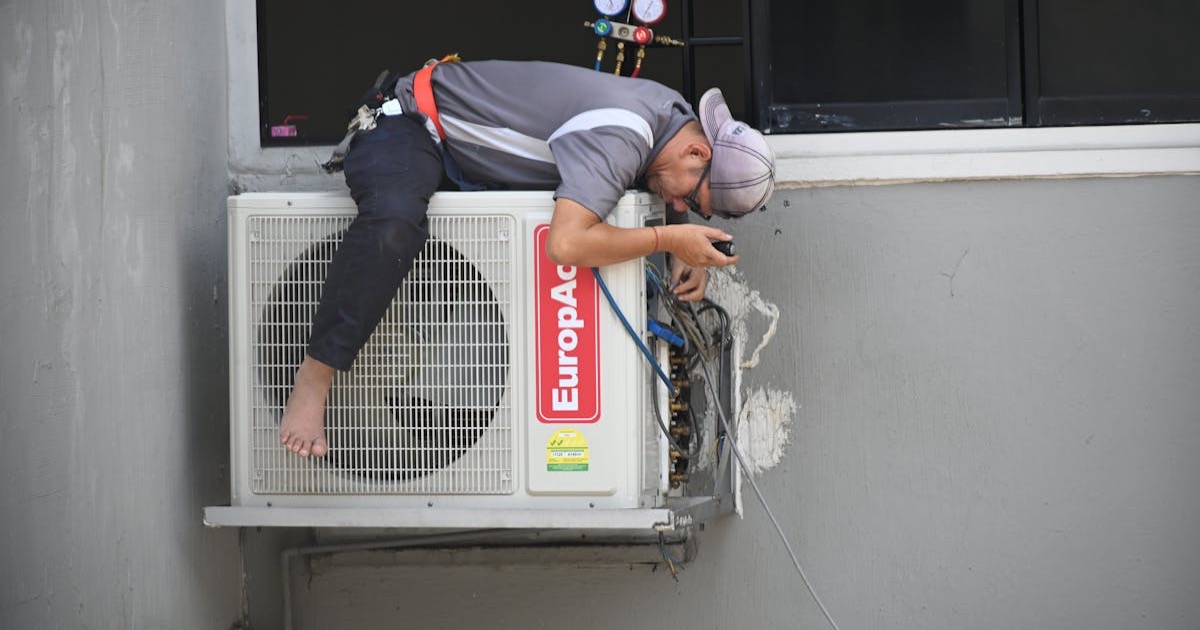
Central Air vs Heat Pump vs Mini Split: Which Is Best for the Okanagan?
A detailed comparison of central air conditioning, air source heat pumps, and ductless mini splits for Okanagan homeowners. Covers purchase costs, operating costs, efficiency, climate suitability, available BC rebates, and maintenance requirements for each system.
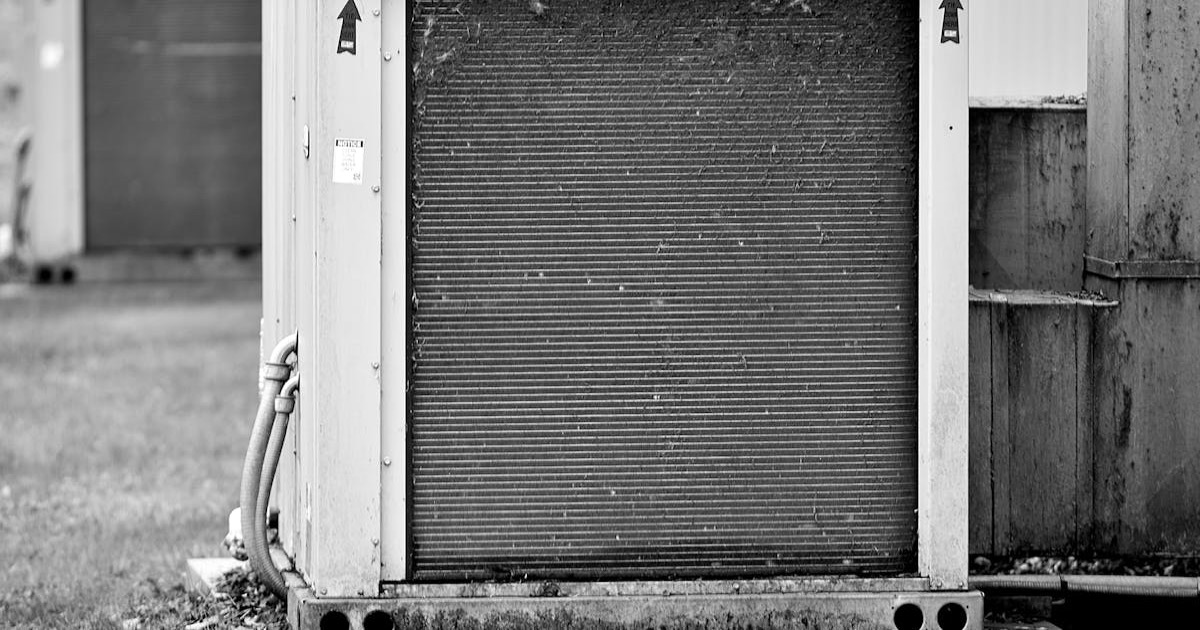
How Often Should You Change Your Furnace Filter? The Definitive Answer
The answer to how often you should change your furnace filter depends on the type of filter, your household conditions, and the season. This guide breaks down every filter type, MERV rating, and the factors that shorten or extend filter life.
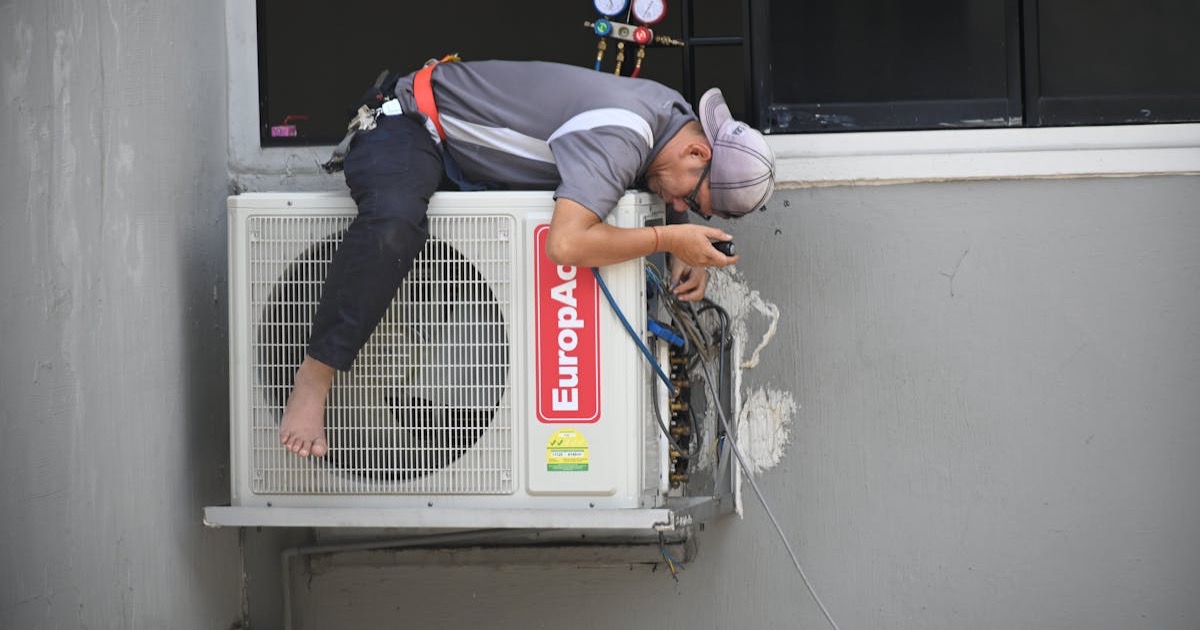
The Complete HVAC Maintenance Schedule Every Homeowner Needs (2026 Guide)
A complete HVAC maintenance schedule covering monthly, seasonal, and annual tasks. Learn exactly what to do yourself and when to call a professional to keep your heating and cooling system running efficiently for years longer.