How to Prevent Frozen Pipes in the Okanagan: The Complete Winter Plumbing Guide
Protect your Okanagan home from frozen and burst pipes this winter. Learn which pipes freeze first, prevention steps, warning signs, and what to do if pipes freeze.
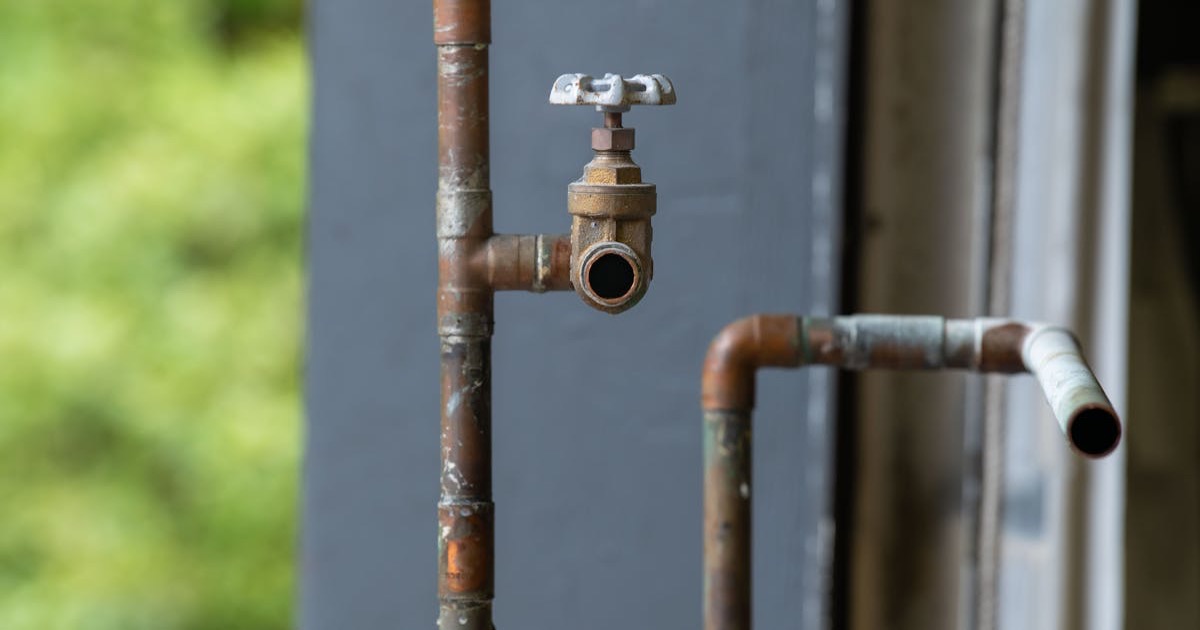
How to Prevent Frozen Pipes in the Okanagan: The Complete Winter Plumbing Guide
Every winter, frozen pipes cause millions of dollars in damage to Canadian homes. In the Okanagan, where temperatures regularly plunge below -15C during January and February cold snaps, the risk is real and the consequences are severe. A single burst pipe can flood a home with thousands of gallons of water in less than an hour, destroying floors, walls, furniture, and personal belongings.
The frustrating part is that almost every frozen pipe disaster is preventable. With the right preparation, the right knowledge, and a few hours of work before winter arrives, you can protect your home from one of the most expensive and disruptive plumbing emergencies a homeowner can face.
This guide covers everything Okanagan homeowners need to know about frozen pipes: which pipes are most vulnerable, how to prevent them from freezing, how to recognize the warning signs, what to do if your pipes freeze, and how much it costs when things go wrong.
Why Pipes Freeze and Burst
Before diving into prevention, it helps to understand the physics. When water freezes, it expands by approximately 9%. Inside a closed pipe, that expansion creates enormous pressure - up to 40,000 PSI in some cases. No residential pipe, whether copper, PEX, or PVC, can withstand that kind of force.
But here's what most people get wrong: the pipe doesn't usually burst at the point where the ice forms. The ice creates a blockage, and the pressure builds between the blockage and the closed faucet. The pipe fails at its weakest point somewhere along that pressurized section. This is why even pipes in heated areas can burst if they connect to a frozen section elsewhere in the system.
A burst pipe can release 4 to 8 gallons of water per minute. That's 240 to 480 gallons per hour. If you're at work or asleep when it happens, you could come back to thousands of gallons of water flooding your home. The average insurance claim for water damage from a burst pipe in Canada exceeds $10,000.
Which Pipes Freeze First
Not all pipes are equally vulnerable. Understanding where freezes happen most often helps you focus your prevention efforts where they matter most.
Exterior Wall Pipes
Pipes running through exterior walls are the most vulnerable in any home. These walls are the thinnest barrier between your plumbing and outdoor temperatures. In many Okanagan homes, especially those built before modern insulation standards, the pipes in exterior walls have little to no insulation protecting them. Kitchen sinks and bathroom vanities on exterior walls are the classic freeze points.
Unheated Space Pipes
Pipes in crawlspaces, garages, unheated basements, and attic spaces are exposed to temperatures that can drop close to outdoor levels. Crawlspaces under Okanagan homes are particularly risky because they're often poorly sealed and can get extremely cold when arctic air moves in. If your home sits on a crawlspace, the pipes underneath are among your highest-priority targets for freeze prevention.
Outdoor Plumbing
Hose bibs, outdoor faucets, irrigation lines, and any plumbing on the exterior of your home are directly exposed to freezing temperatures. These are usually the first to freeze and the easiest to protect, but they're also the most commonly neglected.
Pipes Near Vents and Openings
Pipes that run near dryer vents, foundation vents, cable or electrical penetrations, or any opening in your home's envelope are exposed to cold air drafts. Even a small gap can channel enough cold air to freeze a nearby pipe during an extended cold snap.
Supply Lines in Interior Walls
While less common, supply lines running through interior walls can freeze if they're near an unheated space or if the home's heating system doesn't adequately warm the wall cavity. This is most common in larger homes where certain areas are closed off or rarely heated during winter.
Plumbing Inspection
Starting at $185/visit - included in your plan
Step-by-Step Frozen Pipe Prevention for Okanagan Homes
Preventing frozen pipes requires a combination of preparation done before winter arrives and ongoing measures during cold weather. Here's your complete action plan.
Before Winter: Preparation Steps
1. Disconnect and drain all outdoor hoses. A hose left connected to a hose bib traps water in the fixture and the connecting pipe, creating a freeze-and-burst scenario that's almost guaranteed. Disconnect every hose, drain them, and store them inside for the winter.
2. Shut off and drain exterior faucet supply lines. Most homes have interior shut-off valves for outdoor hose bibs. Close these valves, then open the outdoor faucet to drain any remaining water from the line. Leave the outdoor faucet in the open position for the winter.
3. Install frost-free hose bibs. If your home has standard hose bibs (the shut-off is at the exterior wall), consider upgrading to frost-free models. These extend the shut-off point 6 to 12 inches into the heated interior of your home, dramatically reducing freeze risk. A plumber can install these for $150 to $300 per faucet.
4. Insulate exposed pipes in unheated spaces. Pipe insulation sleeves (foam tubes that slip over pipes) are inexpensive and effective. Insulate every exposed pipe in your crawlspace, garage, basement, and attic. For high-risk areas, consider self-regulating heat cable (heat tape) that activates automatically when temperatures drop.
Pipe insulation sleeves cost about $1 to $3 per linear foot at any hardware store in the Okanagan. Heat cable costs $3 to $8 per foot. Compared to a $5,000+ burst pipe repair and water damage claim, insulating your vulnerable pipes is one of the highest-return investments you can make in your home.
5. Seal gaps and cracks in your home's exterior. Inspect your foundation, exterior walls, and areas where pipes enter the home. Seal any gaps with caulk or spray foam insulation. Even a quarter-inch gap can allow enough cold air to freeze a nearby pipe.
6. Insulate crawlspace vents. Many Okanagan homes have ventilated crawlspaces that are left open year-round. In winter, closing or covering these vents reduces cold air circulation around the pipes under your home. Use rigid foam insulation cut to fit or magnetic vent covers.
7. Service your heating system. A furnace that fails during a cold snap is a frozen pipe disaster waiting to happen. Have your heating system inspected and serviced before winter. Make sure your thermostat is working correctly and consider a smart thermostat that alerts you if the temperature drops unexpectedly.
8. Know your shut-off valve locations. Find and test your main water shut-off valve and every individual fixture shut-off in your home. Make sure they turn freely. If any are seized, have them replaced before you need them in an emergency.
During Cold Weather: Active Measures
9. Keep your thermostat at 16C (60F) or higher, always. Never set your thermostat below 16C, even when you're away. The cost of heating your home a few extra degrees is negligible compared to the cost of a burst pipe. If you're leaving for vacation during winter, 16C is the absolute minimum - 18C is safer.
10. Open cabinet doors under sinks on exterior walls. This allows warm air from your home to circulate around the pipes. It's a simple step that makes a significant difference during cold snaps, especially for kitchen and bathroom sinks on north-facing exterior walls.
11. Let faucets drip during extreme cold. When temperatures drop below -15C, allow a thin, steady stream of water (slightly more than a drip) from faucets connected to vulnerable pipes. Moving water resists freezing, and the open faucet relieves the pressure that causes bursts. Yes, it wastes a small amount of water. It's worth it.
12. Keep garage doors closed. If you have water supply lines running through your garage, keep the doors closed as much as possible during cold weather. An open garage door can drop the temperature in the space to outdoor levels within minutes.
13. Use space heaters cautiously in vulnerable areas. A small space heater in a crawlspace or unheated basement can prevent freezing during extreme cold. However, fire safety is critical. Use only modern, thermostat-controlled space heaters with auto-shutoff features, and keep them away from flammable materials.
14. Monitor weather forecasts actively. Pay attention to extended freeze warnings. The Okanagan's most dangerous freeze events are multi-day cold snaps where temperatures stay below -15C for 48 hours or more. These sustained cold events are when most pipes freeze, because the cold penetrates deeper into homes than a single overnight freeze.
Plumbing Inspection
Starting at $185/visit - included in your plan
Warning Signs Your Pipes Are Freezing
Catching a freeze early can prevent a burst. Watch for these signs during cold weather.
Reduced Water Flow
The most obvious sign is reduced or no water flow from a faucet. If you turn on a tap and get a trickle instead of a full stream, or nothing at all, there's likely ice forming in the supply line. This is most common first thing in the morning after an overnight freeze.
Frost on Visible Pipes
If you can see pipes in your crawlspace, basement, or under sinks, check them during cold weather. Frost or condensation forming on the exterior of a pipe is a clear warning that the water inside is approaching freezing temperature.
Unusual Sounds
Clanking, banging, or gurgling from your plumbing during cold weather can indicate ice forming inside pipes. As ice expands and shifts, it creates pressure changes that produce audible sounds. Don't ignore unusual plumbing noises during winter.
Strange Smells
If you notice an unusual odor coming from a faucet or drain, it could indicate a frozen blockage in a drain or vent pipe. When a vent pipe freezes shut, sewer gases that normally vent through the roof can back up into the home through drain openings.
Bulging or Cracked Pipes
In extreme cases, you may see visible bulging or cracking on exposed pipes before a full burst occurs. If you see a pipe that looks swollen or deformed, shut off the water supply immediately and call a plumber.
If you notice any of these warning signs, act immediately. The window between a pipe freezing and a pipe bursting can be very short. Early intervention - applying heat and opening the faucet - can prevent a minor inconvenience from becoming a major disaster.
What to Do If Your Pipes Freeze
Despite your best efforts, pipes can still freeze during severe Okanagan cold snaps. Here's exactly what to do.
Step 1: Open the Faucet
Open the faucet connected to the frozen pipe. As the ice begins to melt, you need somewhere for the water and expanding ice to go. An open faucet relieves pressure and allows you to monitor the thawing progress. Start with just the cold water side, then try the hot.
Step 2: Locate the Freeze
Check exposed pipes for frost, bulging, or extremely cold sections. The freeze is most likely in an unheated area, along an exterior wall, or near a draft. If you can see the frozen section, you can apply heat directly.
Step 3: Apply Gentle Heat
Use one of these methods to gradually thaw the frozen section. Start at the faucet end and work toward the frozen area so that melting water can flow out through the open faucet.
- Hair dryer: The safest and most controlled option. Direct warm air at the frozen section, moving slowly back and forth.
- Heat lamp or portable space heater: Position it to warm the area around the frozen pipe. Don't place it directly against the pipe.
- Warm towels: Wrap towels soaked in hot water around the frozen pipe section. Replace them as they cool.
- Electrical heat tape: If you have it available, wrap it around the frozen section and plug it in.
Step 4: What NOT to Do
Never use an open flame to thaw pipes. Blowtorches, propane heaters, charcoal grills, and other open flame sources are a fire hazard and can damage pipes. Every year, homes burn down because someone tried to thaw pipes with a torch.
Never use boiling water directly on frozen pipes. The sudden temperature change can crack the pipe, especially PVC and rigid plastic.
Never attempt to thaw pipes you can't access. If the freeze is inside a wall or under the slab, call a professional. Attempting to heat pipes through walls with external heat sources is ineffective and potentially dangerous.
Step 5: When to Call a Professional
Call a plumber immediately if:
- You can't locate the frozen section
- The freeze is inside a wall, floor, or ceiling
- You see a bulging or cracked pipe
- A pipe has already burst
- Multiple pipes are frozen simultaneously
- You've applied heat for 30+ minutes with no improvement
Step 6: If a Pipe Has Burst
If a pipe has already burst, your first priority is stopping the water.
- Shut off the main water supply at your main shut-off valve immediately
- Open all faucets to drain the remaining water from the system and relieve pressure
- Turn off electricity in the affected area if water is near electrical outlets, panels, or appliances
- Call a plumber for emergency repair
- Begin water removal immediately using towels, mops, a wet-dry vacuum, or a sump pump
- Document the damage with photos for your insurance claim
Plumbing Inspection
Starting at $185/visit - included in your plan
The Cost of Frozen and Burst Pipes
Understanding the financial impact of frozen pipes makes the case for prevention crystal clear.
Repair Costs
A straightforward frozen pipe thaw by a plumber costs $150 to $400 depending on accessibility and the length of the frozen section.
A burst pipe repair runs $500 to $2,000 for the plumbing work alone. The cost depends on the pipe's location, material, and how much piping needs to be replaced.
If the burst pipe is inside a wall or under a floor, add $500 to $3,000 for opening and repairing the wall or floor to access the pipe.
Water Damage Costs
The plumbing repair is often the cheapest part of a burst pipe incident. Water damage restoration is where the real costs hit.
Minor water damage (small area, caught quickly): $1,000 to $3,000 for drying, cleaning, and minor repairs.
Moderate water damage (one room, standing water for several hours): $3,000 to $8,000 for water extraction, structural drying, flooring replacement, and drywall repair.
Severe water damage (multiple rooms, standing water for 12+ hours): $8,000 to $25,000+ for full water extraction, structural drying, mold remediation, flooring, drywall, and contents restoration.
Mold remediation, if water sits long enough for mold to develop (often just 24 to 48 hours), adds $2,000 to $10,000 depending on the extent.
Insurance Considerations
Most homeowner insurance policies cover sudden and accidental water damage from burst pipes, but there are important caveats.
Your insurer may deny a claim if they determine the damage resulted from negligence, such as leaving a home unheated during winter or failing to maintain the plumbing system. Maintaining your home and taking reasonable precautions is not just good practice - it's a policy requirement.
Even covered claims come with a deductible (typically $1,000 to $2,500) and can result in premium increases of 10 to 25% for several years following the claim. A $10,000 claim with a $1,500 deductible and 15% premium increase over 5 years can cost you significantly more than the payout.
A pre-winter plumbing inspection costs $175 and includes a complete assessment of your freeze-vulnerable pipes, pipe insulation evaluation, shut-off valve verification, and specific recommendations for your home. It is the most cost-effective freeze prevention step you can take.
Okanagan-Specific Freeze Risks
The Okanagan has a unique climate that creates specific frozen pipe risks worth understanding.
The January-February Deep Freeze
The Okanagan's coldest periods typically occur in January and February, when arctic air masses push south through the Interior. Multi-day events with overnight lows below -20C are not uncommon in Kelowna, Vernon, Penticton, and surrounding communities. These sustained cold events are the highest-risk periods for frozen pipes because the cold penetrates deeper into homes than a single overnight freeze.
Rapid Temperature Swings
The Okanagan is known for dramatic temperature swings. A warm chinook can push temperatures above freezing for a day or two, then arctic air returns. These cycles cause repeated freeze-thaw stress on pipes and joints, weakening them over time. A pipe that survived the initial freeze may fail during the second or third cycle.
Elevation Variation
Temperature varies significantly with elevation in the Okanagan. A home on the valley floor in Kelowna may experience -15C while a home in the hills above sees -22C on the same night. If your home is at higher elevation, your freeze risk is correspondingly higher and your prevention measures need to be more robust.
Older Homes and Construction Practices
Many Okanagan homes were built in the 1960s through 1980s with insulation standards that don't meet today's requirements. Pipes in these homes are often run through exterior walls with minimal insulation, or through uninsulated crawlspaces. If your home was built before 1990, assume your pipes need additional freeze protection until you've verified otherwise with a professional inspection.
Your Pre-Winter Plumbing Checklist
Here's a condensed checklist you can follow before every Okanagan winter.
- Disconnect and drain all outdoor hoses
- Shut off and drain exterior faucet supply lines
- Insulate all exposed pipes in unheated spaces
- Seal gaps and cracks around pipe penetrations
- Close or cover crawlspace vents
- Test all shut-off valves for proper function
- Set thermostat to no lower than 16C (18C if leaving home)
- Know the location of your main water shut-off valve
- Service your heating system
- Install heat cable on highest-risk pipes
- Schedule a pre-winter plumbing inspection
Taking these steps before the first hard freeze arrives is the difference between a worry-free winter and a frantic call to an emergency plumber at 2 AM on the coldest night of the year.
Protect Your Home Before Winter Hits
Frozen pipes are preventable. Every item on the checklist above is straightforward, affordable, and within the capability of any homeowner. But the key word is "before." You have to do the work before the cold arrives. Once temperatures drop, it's too late to insulate pipes in a -20C crawlspace.
My Home Plan's annual plumbing inspection includes a complete freeze-risk assessment of your home's plumbing. We identify every vulnerable pipe, check your insulation, test your shut-off valves, and give you specific, actionable recommendations for your property. At $175, it's the cheapest insurance against a frozen pipe disaster you'll find.
Don't wait for the first freeze warning to think about your pipes. Schedule your plumbing inspection now and go into winter knowing your home is protected.
Ready to simplify your home maintenance?
Get all your home services in one monthly plan. Vetted contractors, guaranteed scheduling, predictable pricing.
Frequently Asked Questions
Why Homeowners Choose My Home Plan
Predictable Pricing
One monthly payment covers everything. No surprise quotes or hidden fees.
Vetted Contractors
Every contractor is background-checked, insured, and reviewed.
Zero Hassle
We handle scheduling, quality control, and follow-ups. You relax.
Related Articles
10 Common Plumbing Problems and What They Cost to Fix
Every homeowner will deal with plumbing problems. This guide covers the 10 most common issues, their warning signs, whether you can fix them yourself, what a professional repair costs, and how to prevent each one from happening in the first place.
Annual Plumbing Inspection: What It Includes and Why Every Okanagan Homeowner Needs One
A professional plumbing inspection covers over 15 critical checkpoints in your home, from visible pipe condition to water heater performance. Learn exactly what's included and why scheduling one annually can prevent thousands in emergency repairs.
Water Heater Maintenance: How to Flush, Inspect, and Extend the Life of Your Hot Water Tank
Your water heater works harder than almost any appliance in your home, and in the Okanagan's hard water, it's under constant assault from mineral buildup. Learn how regular flushing, anode rod inspections, and proper settings can add years to your tank's life and save you thousands.