Annual Plumbing Inspection: What It Includes and Why Every Okanagan Homeowner Needs One
Learn what a professional plumbing inspection covers, the 15+ items checked, common issues found, and why an annual checkup saves Okanagan homeowners thousands.
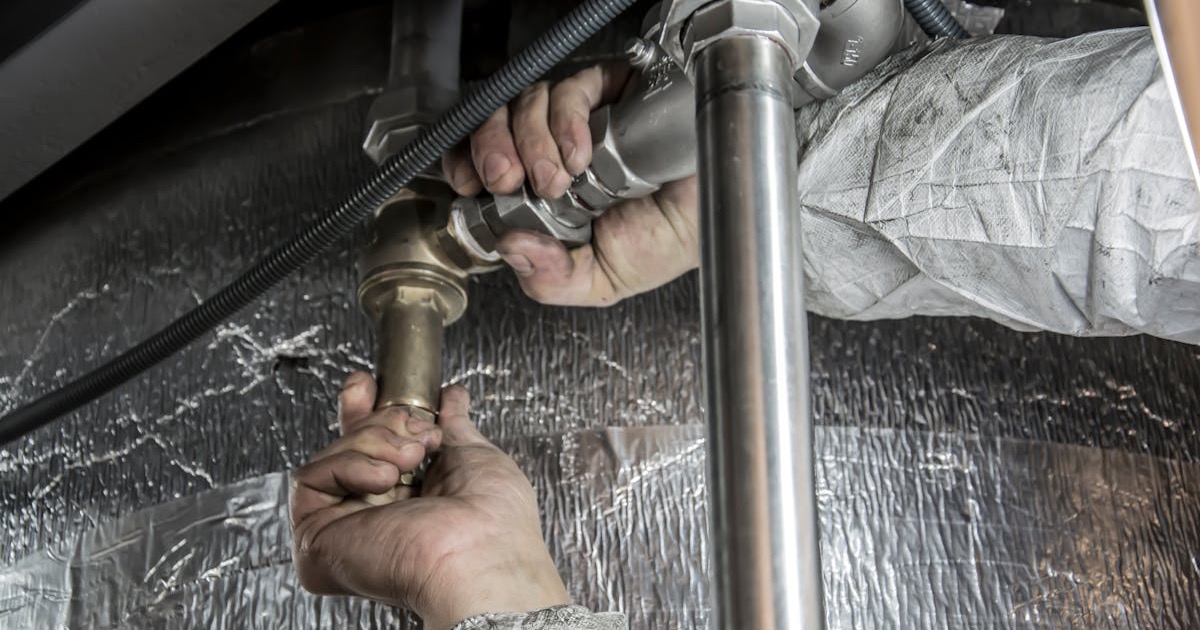
Annual Plumbing Inspection: What It Includes and Why Every Okanagan Homeowner Needs One
Most homeowners don't think about their plumbing until something goes wrong. A toilet backs up on a holiday weekend. A pipe bursts in the basement during a January cold snap. The water heater dies mid-shower on a Tuesday morning. By the time you notice a plumbing problem, the damage is already done, and the repair bill is already climbing.
An annual plumbing inspection is the single most effective way to catch small issues before they become expensive disasters. It's a routine checkup for your home's most critical system, and for Okanagan homeowners dealing with hard water, freezing winters, and aging infrastructure, it's not optional. It's essential.
In this guide, we'll walk through exactly what a professional plumbing inspection includes, the most common problems inspectors find, what it costs compared to emergency repairs, and how often you should schedule one.
Why Your Plumbing System Needs an Annual Checkup
Your plumbing system works every single day. Every flush, every shower, every load of laundry puts wear on pipes, joints, valves, and fixtures. Over the course of a year, that daily use adds up. Mineral deposits build inside pipes. Washers and seals degrade. Corrosion slowly eats away at connections. Small drips become bigger drips.
The problem is that most of your plumbing is hidden. Pipes run through walls, under floors, and beneath your home. By the time a leak shows up as a stain on your ceiling or a spike in your water bill, it may have been leaking for weeks or months.
An annual plumbing inspection gives a trained professional the opportunity to evaluate every accessible component of your system, catch developing problems, and flag items that need attention before they fail.
Think of a plumbing inspection like a dental checkup. You might feel fine, but a professional can spot cavities, cracks, and decay that you'd never notice on your own. Catching them early means a simple fix instead of a root canal.
The Complete Plumbing Inspection Checklist: 15+ Items Inspected
A thorough plumbing inspection isn't a quick walk-through. It's a systematic evaluation of your entire plumbing system. Here's exactly what a qualified inspector checks during a comprehensive plumbing inspection.
1. Full Visible Pipe Inspection
The inspector examines every accessible pipe in your home, including supply lines, drain lines, and vent pipes. They're looking for signs of corrosion, mineral buildup, joint deterioration, improper connections, and physical damage. In older Okanagan homes, this is where inspectors often find galvanized steel pipes that are nearing the end of their lifespan, or older copper joints showing signs of green oxidation.
2. Water Heater Check and Flush
Your water heater is one of the most expensive components in your plumbing system, and one of the most neglected. During the inspection, the technician checks the unit's age, condition, temperature settings, and pressure relief valve. They also perform a flush to remove sediment buildup from the tank. In the Okanagan, our hard water accelerates sediment accumulation, which reduces efficiency and shortens the unit's life.
3. Leak Detection at All Fixtures
Every faucet, toilet, showerhead, and water connection point gets checked for leaks. This includes under-sink supply lines, toilet base seals, shower valve connections, and outdoor hose bibs. Even a small drip from a single faucet can waste over 3,000 gallons of water per year, so catching leaks early matters for both your water bill and your home's structural integrity.
4. Water Pressure Testing
The inspector uses a pressure gauge to measure your home's water pressure at multiple points. Ideal residential water pressure falls between 40 and 80 PSI. Pressure that's too high stresses pipes, fittings, and appliances, leading to premature failure. Pressure that's too low may indicate a blockage, a failing pressure regulator, or an issue with the municipal supply.
5. Drain Flow Assessment
Every drain in your home is tested for flow rate. Slow drains may indicate developing clogs, improper venting, or buildup in the drain lines. The inspector checks kitchen sinks, bathroom sinks, bathtubs, showers, and utility drains. They'll note any drains that are sluggish and recommend cleaning or further investigation.
6. Shut-Off Valve Verification
Your home has multiple shut-off valves, including the main water shut-off, individual fixture shut-offs, and appliance valves. The inspector verifies that each valve operates correctly. A shut-off valve that's seized or corroded is useless in an emergency. When a pipe bursts, you need to be able to turn off the water immediately.
If you don't know where your main water shut-off valve is, find it today. In an emergency, every second counts. A burst pipe can release 4 to 8 gallons of water per minute, causing thousands in damage in less than an hour.
7. Toilet Function and Efficiency
Each toilet is checked for proper flushing, fill valve operation, flapper seal condition, and base stability. Running toilets are one of the most common sources of wasted water in Canadian homes, sometimes wasting over 200 gallons per day without the homeowner noticing. The inspector also checks for rocking or movement at the base, which can indicate a compromised wax seal.
8. Faucet and Fixture Evaluation
Faucets are examined for drips, handle function, aerator condition, and cartridge wear. The inspector checks for mineral buildup on aerators (extremely common in Okanagan hard water areas) and notes any fixtures approaching end-of-life. They'll also check for proper hot and cold function.
Plumbing Inspection
Starting at $185/visit - included in your plan
9. Supply Line Condition
Flexible supply lines connecting your fixtures to the water supply are a common failure point. Rubber and braided lines degrade over time, and a failed supply line can release a full-pressure stream of water into your home. The inspector checks the age, material, and condition of every accessible supply line.
10. Sump Pump Testing (If Applicable)
For homes with a sump pump, the inspector tests the unit by activating it and verifying proper function. They check the float switch, discharge line, and backup power capability. A sump pump that fails during spring melt or heavy rain can result in a flooded basement.
11. Water Quality Indicators
While a plumbing inspection isn't a formal water quality test, the inspector notes any visible indicators of water quality issues. Rust-colored water, unusual odors, excessive mineral deposits on fixtures, and sediment in aerators all point to potential water quality concerns that may warrant further testing.
12. Outdoor Plumbing Assessment
Hose bibs, outdoor faucets, irrigation connections, and exterior drain points are all inspected. In the Okanagan, this is particularly important because outdoor plumbing is vulnerable to freeze damage. The inspector checks for proper winterization, anti-siphon valve function, and any signs of frost damage from the previous winter.
13. Washing Machine and Dishwasher Connections
Appliance connections are a frequently overlooked failure point. The inspector checks supply hoses for bulging, cracking, or corrosion. They verify that drain hoses are properly secured and that there are no signs of slow leaks at connection points. A burst washing machine hose is one of the top causes of residential water damage claims.
14. Pipe Insulation Assessment
Exposed pipes in unheated areas like crawlspaces, basements, and garages are checked for adequate insulation. In the Okanagan, where winter temperatures regularly drop below -10C, uninsulated pipes are at serious risk of freezing and bursting. The inspector identifies any vulnerable pipes and recommends insulation solutions.
15. Gas Line Connections (If Applicable)
For homes with gas water heaters, gas dryers, or gas ranges, the inspector checks visible gas line connections for signs of corrosion or damage. While gas line work requires a licensed gas fitter, identifying potential issues during a plumbing inspection can prevent dangerous situations.
16. Backflow Prevention
The inspector verifies that backflow prevention devices are present and functional where required. Backflow prevention stops contaminated water from flowing backward into your clean water supply, an important safety feature that's often overlooked.
The Most Common Issues Found During Plumbing Inspections
After thousands of inspections, certain problems come up again and again. Here are the issues that Okanagan plumbing inspectors find most frequently.
Slow leaks under sinks are the single most common finding. The combination of daily use and hard water corrosion means that supply line connections, drain joints, and shut-off valves under kitchen and bathroom sinks develop slow leaks. These often go unnoticed because homeowners rarely look under their sinks.
Running toilets rank second. A degraded flapper valve or faulty fill valve can waste enormous amounts of water without making much noise. Many homeowners have running toilets for months without realizing it.
Sediment buildup in water heaters is nearly universal in the Okanagan. Our water is hard, and mineral sediment settles at the bottom of water heater tanks. This reduces efficiency, causes popping or rumbling noises, and shortens the unit's lifespan.
High water pressure is more common than most people expect. Municipal water pressure fluctuates, and homes without a functioning pressure regulator may be running at 90+ PSI, far above the safe range. This accelerated wear breaks down fittings, causes pinhole leaks, and damages appliances.
Seized shut-off valves are found in the majority of older homes. Valves that haven't been turned in years corrode in the open position and become impossible to close. This is a serious safety concern because you can't stop the water in an emergency.
Plumbing Inspection
Starting at $185/visit - included in your plan
Plumbing Inspection Cost vs. Emergency Repair Cost
The math on plumbing inspections is straightforward. A comprehensive plumbing inspection costs $175. Here's what the common problems found during inspections cost when they're left to escalate.
A burst pipe repair typically runs $500 to $2,000 for the plumbing work alone, but water damage restoration can add $3,000 to $15,000 depending on how long the water flows and what it damages. Insurance may or may not cover it, and your premiums will increase either way.
A water heater replacement costs $1,500 to $3,500 installed. Regular maintenance and flushing can extend a water heater's life by 3 to 5 years. Over that extended lifespan, you'll have saved the cost of a new unit.
A slab leak repair - a leak in the pipes running under your home's foundation - costs $2,000 to $6,000 or more. These leaks often start small and are detectable during a pressure test, but by the time they cause visible damage, the repair is major.
A sewer line repair or replacement runs $3,000 to $10,000+. Annual drain assessments can catch developing blockages and root intrusion early, when a simple cleaning solves the problem instead of a full line replacement.
For every $1 spent on preventive plumbing maintenance, homeowners save an average of $4 to $8 in avoided emergency repairs and water damage. A $175 inspection is the best insurance policy your plumbing system can have.
How Often Should You Get a Plumbing Inspection?
The standard recommendation is once per year for all homes, regardless of age. However, certain situations call for more frequent inspections.
Homes older than 25 years should consider semi-annual inspections. Older piping materials like galvanized steel and early-generation PEX have shorter lifespans, and the risk of failure increases with age.
Homes with a history of plumbing problems benefit from more frequent monitoring. If you've had leaks, burst pipes, or drain issues in the past, semi-annual inspections can catch recurring problems early.
After purchasing a new home, schedule an inspection immediately, even if the home had a pre-purchase inspection. Home inspections are general assessments. A dedicated plumbing inspection is far more thorough.
After any major weather event, including extended freezes, flooding, or earthquakes, schedule an inspection to check for hidden damage.
Seasonal timing matters in the Okanagan. The ideal time for an annual plumbing inspection is late fall, before winter temperatures arrive. This gives you time to address any freeze-vulnerable pipes, verify your water heater is operating efficiently before peak demand season, and ensure all outdoor plumbing is properly winterized.
What Happens After the Inspection?
A professional plumbing inspection should include a detailed written report covering every item inspected, the condition of each component, and any recommended repairs or maintenance. The report should prioritize findings by urgency: items that need immediate attention, items to address within the next few months, and items to monitor.
At My Home Plan, our plumbing inspection reports include:
- Condition ratings for every inspected component
- Photos of any issues found
- Prioritized repair recommendations
- Estimated costs for recommended repairs
- Preventive maintenance tips specific to your home
This report becomes a baseline for your home's plumbing health. Year over year, you can track how your system is aging and make informed decisions about repairs and upgrades.
Plumbing Inspection
Starting at $185/visit - included in your plan
Why Okanagan Homes Need Plumbing Inspections More Than Most
Living in the Okanagan creates specific plumbing challenges that make annual inspections particularly valuable.
Hard water is the big one. The Okanagan has some of the hardest water in British Columbia. Mineral deposits accumulate inside pipes, reduce water heater efficiency, damage fixtures, and shorten the lifespan of every component in your plumbing system. Regular inspections catch mineral-related damage early.
Temperature extremes stress your plumbing. Okanagan winters can drop to -20C or colder, while summers regularly exceed 35C. These swings cause pipes to expand and contract, stressing joints and connections. Freeze-thaw cycles are particularly damaging to outdoor plumbing and pipes in unheated spaces.
Aging housing stock means many Okanagan homes have original plumbing that's 30, 40, or 50+ years old. These systems were built to different standards and with materials that have known lifespan limitations.
Soil conditions in many parts of the Okanagan are challenging for underground plumbing. Sandy soils shift, clay soils expand, and tree roots are aggressive. Annual drain assessments can catch developing issues before they require excavation.
Start Protecting Your Home's Plumbing Today
Your plumbing system is the backbone of your home's daily function. It delivers clean water, removes waste, heats your showers, and supports every water-using appliance you own. An annual plumbing inspection is a small investment that protects a massive one.
My Home Plan's comprehensive plumbing inspection covers all 15+ checkpoints outlined in this guide for $175 per visit. Our licensed professionals know Okanagan homes and the specific challenges our climate and water conditions create. We provide a detailed report after every inspection, so you always know exactly where your plumbing stands.
Don't wait for a leak, a burst pipe, or a cold shower to remind you that your plumbing needs attention. Schedule your annual plumbing inspection and take control of your home maintenance before problems take control of your wallet.
Ready to simplify your home maintenance?
Get all your home services in one monthly plan. Vetted contractors, guaranteed scheduling, predictable pricing.
Frequently Asked Questions
Why Homeowners Choose My Home Plan
Predictable Pricing
One monthly payment covers everything. No surprise quotes or hidden fees.
Vetted Contractors
Every contractor is background-checked, insured, and reviewed.
Zero Hassle
We handle scheduling, quality control, and follow-ups. You relax.
Related Articles
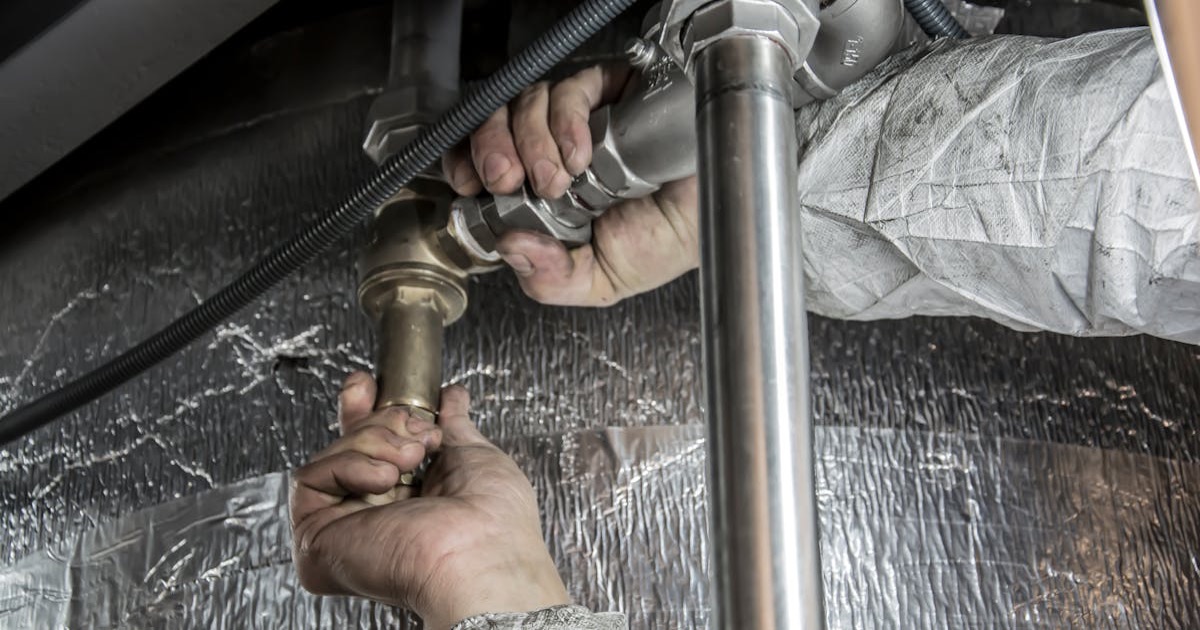
10 Common Plumbing Problems and What They Cost to Fix
Every homeowner will deal with plumbing problems. This guide covers the 10 most common issues, their warning signs, whether you can fix them yourself, what a professional repair costs, and how to prevent each one from happening in the first place.
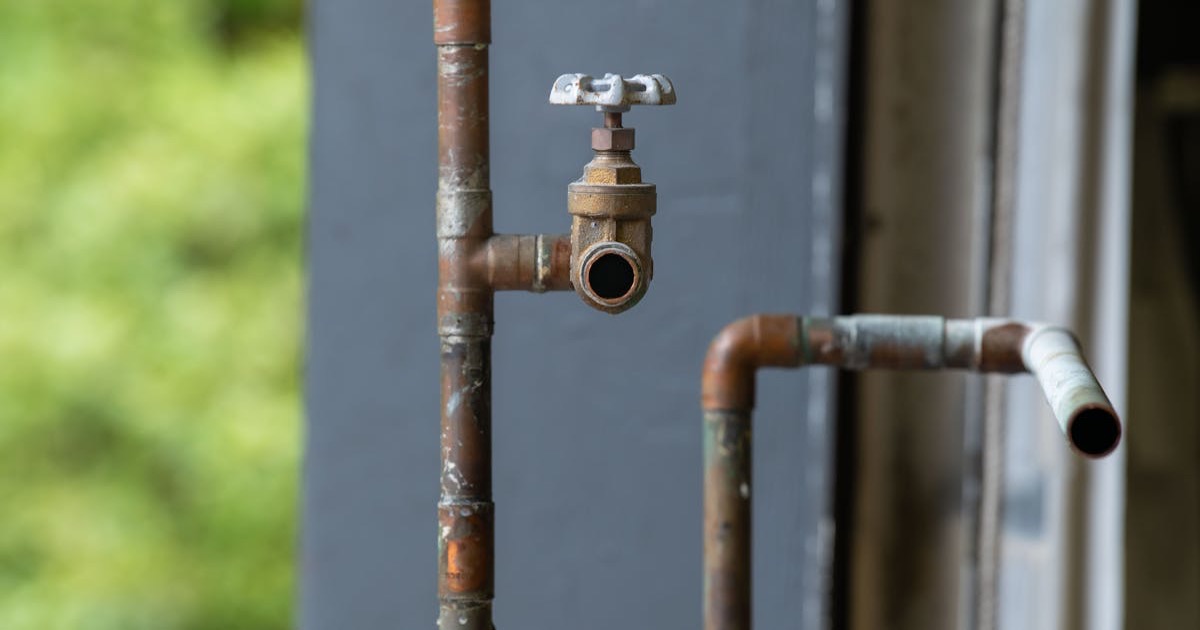
How to Prevent Frozen Pipes in the Okanagan: The Complete Winter Plumbing Guide
Okanagan winters regularly push temperatures below -15C, putting your plumbing at serious risk. This guide covers which pipes freeze first, step-by-step prevention, warning signs of freezing, and exactly what to do if your pipes freeze or burst.
Water Heater Maintenance: How to Flush, Inspect, and Extend the Life of Your Hot Water Tank
Your water heater works harder than almost any appliance in your home, and in the Okanagan's hard water, it's under constant assault from mineral buildup. Learn how regular flushing, anode rod inspections, and proper settings can add years to your tank's life and save you thousands.