10 Common Plumbing Problems and What They Cost to Fix
From leaky faucets to sewer line issues, learn the 10 most common plumbing problems, their symptoms, DIY vs. pro guidance, repair costs, and prevention tips.
10 Common Plumbing Problems and What They Cost to Fix
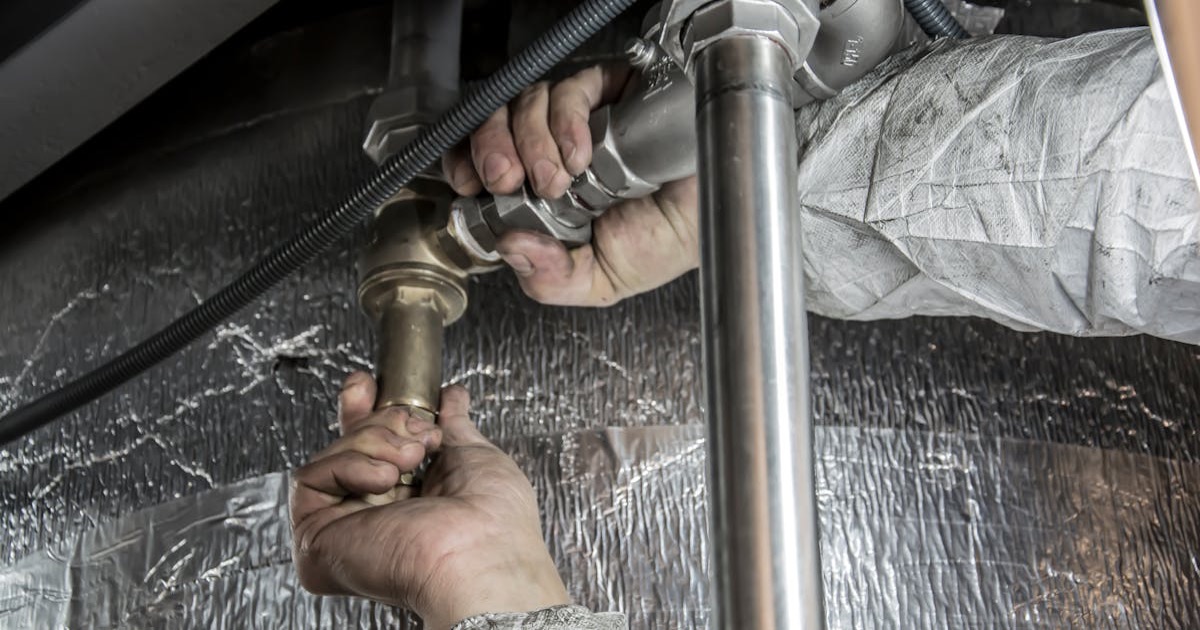
Every home will have plumbing problems. It's not a question of if, it's a question of when and how bad. Pipes age, seals wear out, drains clog, and fixtures fail. The difference between a minor annoyance and a major disaster often comes down to how quickly you recognize the problem and how you respond.
This guide covers the 10 most common plumbing problems homeowners face, ranked by frequency. For each one, we break down the symptoms, whether it's a DIY fix or a job for a professional, what the repair typically costs, how to prevent it, and when it becomes an emergency.
Whether you're a first-time homeowner or you've been maintaining a house for decades, this is your reference guide for the plumbing issues you're most likely to encounter.
1. Dripping Faucets
A dripping faucet is the most common plumbing complaint in residential homes, and also the most commonly ignored. That steady drip seems minor, but a faucet that drips once per second wastes over 3,000 gallons of water per year. That's water you're paying for, and it adds up on your utility bill.
Symptoms
A visible drip from the faucet spout when the handle is fully closed. You might also notice a drip from the base of the faucet around the handle, or water pooling under the sink at the supply connections.
What Causes It
The most common cause is a worn washer or O-ring inside the faucet. In compression-style faucets (two handles), a rubber washer creates the seal. In single-handle faucets, a cartridge or ceramic disc controls the flow. Over time, these internal components wear from use and mineral buildup, losing their ability to create a watertight seal.
In the Okanagan, hard water accelerates this wear. Mineral deposits score the surfaces of washers, cartridges, and valve seats, causing them to leak sooner than they would in soft water areas.
DIY or Professional?
This is a common DIY fix for handy homeowners. Washer and cartridge replacement kits are available at any hardware store for $5 to $30. You'll need basic tools (adjustable wrench, screwdrivers, pliers) and the ability to shut off the water supply to the faucet.
However, if you're not comfortable with the repair, or if the faucet continues to drip after replacing the cartridge, the valve seat itself may be damaged and require professional attention.
Repair Cost
- DIY: $5 to $30 for parts
- Professional: $100 to $250 including parts and labor
- Faucet replacement (if the fixture is old or heavily damaged): $200 to $500 installed
Prevention
An annual plumbing inspection catches early-stage faucet wear. Additionally, wiping down faucet handles and spouts to remove mineral deposits helps, and avoiding excessive force when closing faucet handles reduces wear on internal components.
Don't dismiss a dripping faucet as a minor annoyance. Beyond water waste, a constant drip can stain sinks, erode fixtures, and create moisture conditions that promote mold growth under the sink. Fix it when it starts, not when it gets worse.
2. Running Toilets
A running toilet is the silent budget killer of household plumbing. A toilet that runs continuously can waste 200 or more gallons of water per day - far more than a dripping faucet. Because the sound is often subtle (especially with a slow leak), many homeowners have running toilets for weeks or months without realizing it.
Symptoms
The most obvious sign is the sound of water continuously running or periodically cycling in the tank when no one has flushed. You might also notice the toilet filling on its own (phantom flushing), or hear a hissing sound from the fill valve.
To test for a silent running toilet, put a few drops of food coloring in the tank. Wait 15 minutes without flushing. If the colored water appears in the bowl, you have a leak.
What Causes It
Three components are usually responsible:
- The flapper valve: This rubber seal at the bottom of the tank lifts when you flush and closes to hold water in the tank. Over time, flappers warp, crack, or accumulate mineral deposits that prevent a complete seal.
- The fill valve: This controls the water flow that refills the tank after a flush. A worn fill valve may not shut off completely, causing continuous running.
- The overflow tube: If the water level is set too high, water continuously flows into the overflow tube and down into the bowl.
DIY or Professional?
Running toilets are one of the most accessible DIY plumbing repairs. A universal flapper costs $5 to $10 and takes 5 minutes to install. A fill valve replacement kit costs $10 to $25 and takes about 20 minutes. No special tools required.
Repair Cost
- DIY: $5 to $25 for parts
- Professional: $75 to $200 including parts and labor
- Full toilet rebuild (new flapper, fill valve, flush valve, wax seal): $150 to $350 professional
Prevention
Replace toilet flappers proactively every 3 to 5 years, rather than waiting for them to fail. Avoid using drop-in tank cleaning tablets, as many contain chemicals that accelerate rubber deterioration.
Plumbing Inspection
Starting at $185/visit - included in your plan
3. Slow or Clogged Drains
Slow drains are the third most common plumbing problem and one that homeowners often make worse through improper DIY attempts. A drain that takes progressively longer to empty is telling you something - and chemical drain cleaners are rarely the right answer.
Symptoms
Water pools in the sink, tub, or shower and drains slowly. You may hear gurgling sounds from the drain. In advanced cases, the drain may stop completely, causing standing water. Multiple slow drains in the home simultaneously may indicate a main sewer line issue rather than individual drain problems.
What Causes It
Bathroom drains clog primarily from hair, soap scum, and personal care product buildup. Hair wraps around the drain crossbars and accumulates over time, trapping soap residue and creating a dense, slow-building blockage.
Kitchen drains clog from grease, food particles, and soap buildup. Grease is the primary culprit - it enters the drain as a liquid but solidifies as it cools, coating the pipe walls and catching food particles.
Main sewer line blockages can be caused by tree root intrusion, sediment buildup, collapsed or shifted pipes, or accumulation of non-flushable items.
DIY or Professional?
Simple clogs near the drain opening can often be cleared with a plunger or a drain snake (auger). A small barbed drain cleaning tool ($3 to $5) is excellent for pulling hair from bathroom drains.
Avoid chemical drain cleaners. These products contain harsh chemicals (typically sodium hydroxide or sulfuric acid) that can corrode pipes, damage septic systems, and create dangerous fumes. They often don't fully clear the clog, and repeated use weakens your drain pipes.
Call a professional if:
- Multiple drains are slow simultaneously
- A plunger and basic snake don't resolve the problem
- Sewage odors accompany the slow drain
- The problem recurs frequently after clearing
Repair Cost
- DIY: $5 to $30 for a drain snake or cleaning tool
- Professional drain cleaning: $150 to $300
- Hydro jetting (high-pressure water cleaning of drain lines): $300 to $600
- Main sewer line clearing: $300 to $800
- Sewer line repair/replacement (if the line is damaged): $3,000 to $10,000+
Prevention
Use drain screens in all bathroom drains to catch hair. Never pour grease down the kitchen drain - collect it in a container and dispose of it in the trash. Run hot water through kitchen drains after each use to help flush grease. Schedule annual drain assessments as part of your plumbing inspection.
4. Leaky Pipes
Leaky pipes range from minor drips at visible joints to hidden leaks inside walls that can cause thousands of dollars in water damage before they're detected. In Okanagan homes, hard water corrosion, freezing temperatures, and aging materials make pipe leaks a significant concern.
Symptoms
Visible drips or moisture at pipe joints. Water stains on ceilings, walls, or floors. Musty or moldy odors in areas near plumbing runs. An unexplained increase in your water bill. Mold or mildew growth in unusual locations. Warped flooring or bubbling paint near plumbing fixtures.
What Causes It
- Corrosion: Over time, pipe materials corrode. Copper develops pinhole leaks. Galvanized steel rusts from the inside. Hard water accelerates both processes.
- Joint failure: Soldered joints, threaded connections, and compression fittings can fail due to vibration, thermal expansion, water hammer, or simple age.
- Freeze damage: Pipes that freeze and thaw may develop cracks or weakened joints that leak slowly.
- High water pressure: Pressure above 80 PSI stresses pipes and fittings, accelerating wear and causing failures at weak points.
- Physical damage: Punctured pipes from nails, screws, or construction activities.
DIY or Professional?
Minor leaks at visible, accessible joints can sometimes be temporarily addressed with pipe repair tape, epoxy putty, or compression repair couplings. However, these are temporary fixes. The underlying cause of the leak (corrosion, pressure, age) will create more leaks if not addressed.
Any leak inside a wall, under a floor, or at a main line requires a professional. Hidden leaks also require a professional to locate - they have tools like thermal cameras and acoustic detectors that can find leaks without opening walls.
Repair Cost
- Visible joint repair: $150 to $400
- Hidden leak detection and access: $300 to $800
- Pipe section replacement: $400 to $1,500
- Water damage repair (if the leak was hidden): $1,000 to $10,000+
- Full repipe (replacing all plumbing in the home): $5,000 to $15,000
Prevention
Annual plumbing inspections catch corrosion, joint wear, and pressure issues before they cause leaks. Maintaining water pressure below 80 PSI protects pipes from excessive stress. Proper winterization prevents freeze damage.
A hidden leak wasting just one gallon per hour adds $1,000+ to your annual water bill and can cause severe structural damage. If your water bill has increased without explanation, or if you notice any moisture where there shouldn't be, investigate immediately.
Plumbing Inspection
Starting at $185/visit - included in your plan
5. Low Water Pressure
Low water pressure makes showers unsatisfying, increases the time it takes to fill a pot, and can indicate a developing problem elsewhere in your plumbing system. It's annoying at best and a warning sign at worst.
Symptoms
Weak flow from one or more faucets. Showers that lack pressure. Appliances (dishwashers, washing machines) taking longer to fill. These symptoms may affect the whole house or just specific fixtures.
What Causes It
If it's one fixture: The most common cause is a clogged aerator. Mineral deposits from hard water accumulate on faucet aerators and showerheads, restricting flow. This is extremely common in the Okanagan.
If it's the whole house: Possible causes include a partially closed main shut-off valve, a failing pressure regulator, a leak in the main supply line, municipal supply issues, or corroded galvanized steel pipes restricting flow throughout the system.
If it's only the hot water side: The water heater may be the issue - a sediment-filled tank can restrict hot water flow, or a partially closed valve on the water heater may be limiting supply.
DIY or Professional?
Cleaning a clogged aerator is a simple DIY task. Unscrew the aerator from the faucet (many are hand-removable), soak it in white vinegar for 30 minutes to an hour, scrub with an old toothbrush, and reinstall. For showerheads, remove and soak in a bag of vinegar or replace the head entirely.
For whole-house pressure issues, a professional should diagnose the cause. It could be as simple as opening a partially closed valve, or it could indicate a significant problem like a main line leak or severely corroded pipes.
Repair Cost
- Aerator cleaning/replacement: $0 to $15 (DIY)
- Pressure regulator replacement: $200 to $500
- Corroded pipe replacement: $500 to $3,000+
- Main line repair: $1,000 to $5,000
Prevention
Clean aerators and showerheads every 6 months in hard water areas. Have your water pressure tested annually during your plumbing inspection - this catches pressure regulator issues before they become problems. Consider a whole-house water softener if hard water deposits are a persistent issue.
6. Water Heater Problems
Water heater issues affect comfort, energy costs, and potentially safety. Because water heater problems have their own dedicated article on our blog, we'll cover the highlights here.
Symptoms
No hot water or insufficient hot water. Fluctuating water temperature. Discolored or smelly hot water. Rumbling, popping, or banging sounds from the tank. Visible leaks around the base. Increased energy bills.
What Causes It
Sediment buildup (the most common cause in the Okanagan), heating element failure, thermocouple issues, depleted anode rod, tank corrosion, faulty temperature and pressure relief valve, or simply an aging unit past its expected lifespan.
DIY or Professional?
Temperature adjustment is a safe DIY task. Flushing the tank is a moderate DIY project that most handy homeowners can handle. However, element replacement, anode rod replacement, gas valve issues, and any repair involving gas lines should be handled by a professional.
Repair Cost
- Thermocouple replacement: $100 to $250
- Heating element replacement: $150 to $350
- Anode rod replacement: $100 to $250
- Full tank flush: $100 to $200 (professional)
- Water heater replacement: $1,500 to $3,500 (tank), $3,000 to $6,000 (tankless)
Prevention
Annual flushing, anode rod inspection every 2 to 3 years, T&P valve testing, and proper temperature settings. All of these are included in My Home Plan's annual plumbing inspection.
Plumbing Inspection
Starting at $185/visit - included in your plan
7. Toilet Clogs and Overflow
Beyond running toilets, clogged toilets are a frequent and unpleasant plumbing problem. Most clogs are simple to resolve, but recurring clogs or overflows can indicate a deeper issue.
Symptoms
The toilet won't flush completely or fills dangerously high after flushing. Water rises to the rim or overflows onto the floor. Multiple flushes are needed to clear the bowl. Gurgling sounds from the toilet when other fixtures drain.
What Causes It
Excessive toilet paper, flushing non-flushable items (wipes, feminine products, cotton swabs), low-flow toilets with inadequate flush power, or a blockage further down the drain line.
Recurring clogs in the same toilet may indicate a partially obstructed drain line, a venting issue, or a toilet with a compromised trapway due to mineral buildup.
DIY or Professional?
A standard plunger resolves most toilet clogs. Use a flange plunger (the kind with an extended rubber ring) rather than a flat cup plunger for best results. If a plunger doesn't work, a toilet auger ($15 to $30) can reach blockages deeper in the trapway.
Call a professional if:
- A plunger and auger don't clear the clog
- The toilet clogs frequently
- Multiple fixtures are backing up simultaneously
- Sewage is backing up into the tub or shower
Repair Cost
- DIY (plunger/auger): $10 to $30
- Professional toilet clearing: $100 to $275
- Toilet replacement (if the unit is old or damaged): $300 to $700 installed
- Drain line clearing: $200 to $500
Prevention
Use only toilet paper in the toilet - nothing else, regardless of what the packaging says about being "flushable." Use reasonable amounts of paper per flush. Teach children about what can and cannot go down the toilet. If your low-flow toilet clogs frequently, consider upgrading to a modern low-flow model with better flush performance.
8. Sump Pump Failure
For Okanagan homes with basements or crawlspaces, the sump pump is a critical line of defense against flooding. A sump pump that fails during spring melt or heavy rain can result in a flooded lower level and tens of thousands of dollars in damage.
Symptoms
The sump pit fills with water but the pump doesn't activate. The pump runs continuously without lowering the water level. The pump makes unusual noises (grinding, rattling). Water appears in the basement despite the pump running. The pump cycles on and off rapidly (short cycling).
What Causes It
Power failure during a storm (the most common cause). A stuck or failed float switch. A clogged intake screen. A failed motor. A frozen or clogged discharge line. An undersized pump that can't keep up with water inflow.
DIY or Professional?
Testing the float switch (manually lifting it to see if the pump activates) is a simple check any homeowner can do. Cleaning the intake screen and checking the discharge line for obstructions are also manageable DIY tasks.
Motor replacement, electrical issues, and pump replacement require a professional. Given the consequences of failure (a flooded basement), this is not a repair to attempt with inadequate expertise.
Repair Cost
- Float switch replacement: $75 to $200
- Sump pump replacement: $400 to $1,000 installed
- Battery backup system: $300 to $600
- Basement flood cleanup (if the pump fails): $3,000 to $20,000+
Prevention
Test your sump pump quarterly by pouring a bucket of water into the pit and verifying it activates and pumps the water out. Install a battery backup system for power outages. Clean the intake screen annually. Include sump pump testing in your annual plumbing inspection.
A battery backup sump pump costs $300 to $600 and can save you from catastrophic flooding during a power outage. If your basement has finished living space, valuable storage, or mechanical equipment, a backup pump is one of the smartest investments you can make.
9. Leaking Hose Bibs and Outdoor Faucets
Outdoor plumbing takes a beating in the Okanagan, from freezing winters to hot, dry summers. Hose bibs (outdoor faucets) are particularly vulnerable because they're exposed to the elements and often neglected.
Symptoms
Water dripping from the outdoor faucet when it's closed. Water seeping from around the handle or stem. Water staining or damage on the interior wall behind the hose bib. A hose bib that won't turn on or off. Visible frost damage (cracked housing, split pipe).
What Causes It
Freeze damage is the most common cause in the Okanagan. Water trapped in a standard hose bib freezes, expands, and cracks the faucet body or the pipe behind it. The leak may not appear until spring when the ice melts.
Other causes include worn packing washers (causing stem leaks), corroded valve seats, and physical damage from impact.
DIY or Professional?
Replacing a washer or packing nut on a hose bib is a moderate DIY repair. However, if the hose bib or the pipe behind it has freeze damage, the repair likely involves accessing the pipe inside the wall, which is a professional job.
Upgrading to frost-free hose bibs is strongly recommended for Okanagan homes and should be done by a licensed plumber to ensure proper installation and drainage slope.
Repair Cost
- Washer replacement: $5 to $15 (DIY)
- Hose bib replacement: $150 to $350 (professional)
- Frost-free hose bib upgrade: $200 to $400 per faucet (professional)
- Pipe repair behind wall (freeze damage): $300 to $1,000
Prevention
Disconnect all hoses before winter. Shut off interior supply valves to outdoor faucets and drain the lines. Upgrade to frost-free hose bibs. Include outdoor plumbing in your annual inspection.
Plumbing Inspection
Starting at $185/visit - included in your plan
10. Sewer Line Problems
Sewer line problems are the most expensive and disruptive plumbing issue a homeowner can face. Fortunately, they're also relatively rare and often develop slowly enough to catch with regular inspections.
Symptoms
Multiple drains in the home backing up simultaneously. Sewage odors inside or outside the home. Gurgling sounds from drains when other fixtures are used. Wet or unusually green patches in the yard over the sewer line. Sewage backing up into the lowest fixtures (basement drains, ground-floor tubs).
What Causes It
Tree root intrusion is the most common cause. Tree roots seek out moisture and nutrients, and sewer lines provide both. Roots enter through small cracks or joint gaps and grow inside the pipe, eventually blocking flow.
Pipe deterioration affects older homes. Clay, cast iron, and early PVC sewer lines deteriorate with age. Clay pipes crack, cast iron corrodes, and old joints separate due to ground movement.
Ground shifting in the Okanagan's varied soil conditions can misalign, sag (belly), or collapse sewer lines.
Grease buildup from years of kitchen drain use can gradually restrict a sewer line.
DIY or Professional?
Sewer line problems always require a professional. Diagnosis typically involves a camera inspection ($200 to $400) where a small camera is fed through the line to visually identify the problem and its location.
Repair Cost
- Camera inspection: $200 to $400
- Root cutting and clearing: $300 to $600
- Spot repair (small section replacement): $1,500 to $4,000
- Trenchless sewer line replacement (pipe bursting or lining): $4,000 to $10,000
- Traditional sewer line replacement (excavation): $5,000 to $15,000+
Prevention
Avoid planting trees near sewer lines. Never flush anything other than human waste and toilet paper. Avoid pouring grease or food waste down drains. Schedule annual drain flow assessments to catch developing blockages early. If your home is older than 30 years and you've never had a camera inspection of your sewer line, it's worth the $200 to $400 investment for peace of mind.
A sewer backup is not just expensive - it's a health hazard. Raw sewage contains bacteria, viruses, and parasites that pose serious health risks. If sewage backs up into your home, avoid contact with the contaminated water, ventilate the area, and call a professional immediately for both plumbing repair and contamination cleanup.
When a Plumbing Problem Becomes an Emergency
Not every plumbing problem requires an emergency call, but some situations demand immediate action. Call an emergency plumber immediately if:
- A pipe has burst and water is flooding your home
- Sewage is backing up into your living space
- You smell gas near a gas water heater or gas line (also call your gas utility)
- There is no water to the entire home (may indicate a main line break)
- A water heater is leaking heavily or making unusual hissing or screeching sounds
- A frozen pipe is bulging or showing signs of imminent failure
For emergencies, the most important immediate action is knowing how to shut off your water supply. Locate your main shut-off valve now, while everything is working, so you can act instantly when it matters.
The Case for Annual Plumbing Inspections
Every one of the 10 problems on this list can be caught early - or prevented entirely - with an annual plumbing inspection. A professional inspector checks for the early signs of each problem: developing leaks, corroding pipes, failing fixtures, slow drains, water heater decline, and supply line wear.
At $175 per inspection, the cost is a fraction of even the cheapest professional repair on this list. And compared to the costs of burst pipes ($2,000+), water damage ($5,000+), or sewer line replacement ($10,000+), a $175 inspection isn't an expense. It's savings.
My Home Plan's annual plumbing inspection covers every item on this list. Our technicians inspect your full visible pipe system, test your water pressure, assess every drain, check every fixture, service your water heater, and verify your shut-off valves. You get a detailed report with findings, priorities, and recommendations.
Stop waiting for plumbing problems to announce themselves with leaks, floods, and emergency calls. Get ahead of them with a professional inspection and keep your home's plumbing running reliably for years to come.
Ready to simplify your home maintenance?
Get all your home services in one monthly plan. Vetted contractors, guaranteed scheduling, predictable pricing.
Frequently Asked Questions
Why Homeowners Choose My Home Plan
Predictable Pricing
One monthly payment covers everything. No surprise quotes or hidden fees.
Vetted Contractors
Every contractor is background-checked, insured, and reviewed.
Zero Hassle
We handle scheduling, quality control, and follow-ups. You relax.
Related Articles
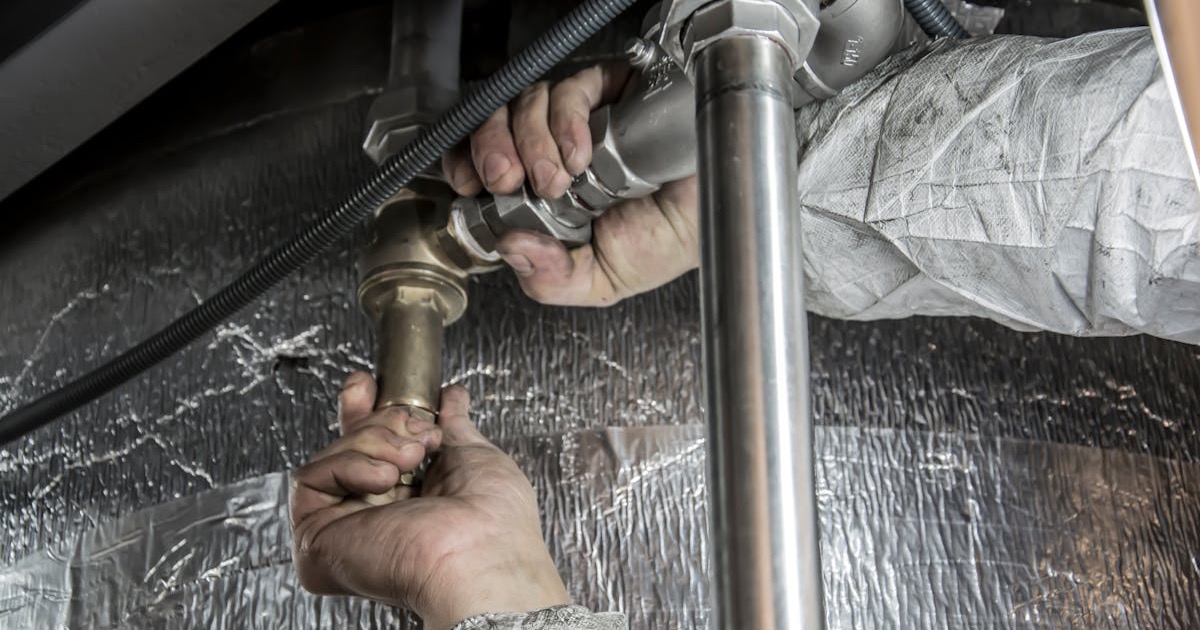
Annual Plumbing Inspection: What It Includes and Why Every Okanagan Homeowner Needs One
A professional plumbing inspection covers over 15 critical checkpoints in your home, from visible pipe condition to water heater performance. Learn exactly what's included and why scheduling one annually can prevent thousands in emergency repairs.
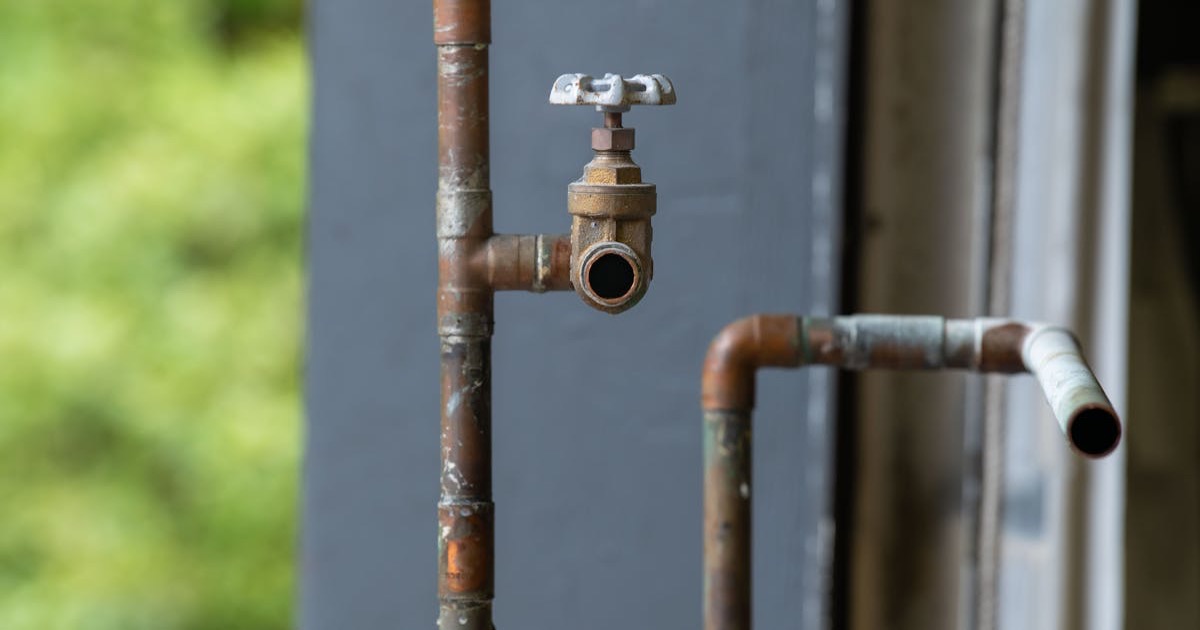
How to Prevent Frozen Pipes in the Okanagan: The Complete Winter Plumbing Guide
Okanagan winters regularly push temperatures below -15C, putting your plumbing at serious risk. This guide covers which pipes freeze first, step-by-step prevention, warning signs of freezing, and exactly what to do if your pipes freeze or burst.
Water Heater Maintenance: How to Flush, Inspect, and Extend the Life of Your Hot Water Tank
Your water heater works harder than almost any appliance in your home, and in the Okanagan's hard water, it's under constant assault from mineral buildup. Learn how regular flushing, anode rod inspections, and proper settings can add years to your tank's life and save you thousands.