Heat Pump Maintenance Guide for Okanagan Homeowners: Efficiency, Lifespan, and Seasonal Care
Complete heat pump maintenance guide for the Okanagan. Seasonal care, efficiency tips, troubleshooting, lifespan extension, and professional service schedules.
Heat pumps have become the default heating and cooling choice for new construction and retrofit projects across the Okanagan. Provincial incentives, rising energy costs, and improvements in cold-climate heat pump technology have driven adoption from Osoyoos to Vernon. FortisBC and BC Hydro rebate programs have made the economics compelling, and modern units handle our winter cold far better than the heat pumps of 10 or 15 years ago.
But a heat pump is not a furnace. It operates differently, maintains differently, and fails differently. Homeowners accustomed to the simplicity of a gas furnace (change the filter, schedule annual service, done) need to understand that heat pumps have additional maintenance requirements - and that neglecting those requirements has a direct, measurable impact on efficiency, comfort, and equipment lifespan.
The Okanagan's climate is particularly demanding on heat pumps. We use them for cooling through our hot summers (35+ degree days are common in July and August) and heating through our cold winters (regular stretches of -10 to -20 degree nights from December through February). This year-round demand means year-round maintenance.
How Heat Pumps Work (The 60-Second Version)
A heat pump moves heat rather than generating it. In cooling mode, it extracts heat from inside your home and releases it outside (exactly like an air conditioner). In heating mode, it reverses the process - extracting heat from the outdoor air and moving it inside.
This is why heat pumps are so efficient. Moving heat requires far less energy than creating it. A modern heat pump delivers 3 to 4 units of heating energy for every 1 unit of electrical energy consumed (a coefficient of performance of 3 to 4). A high-efficiency gas furnace, by comparison, converts about 0.95 units of gas energy into 0.95 units of heat.
The trade-off is that heat pump efficiency decreases as the outdoor temperature drops. At -15 degrees Celsius, a cold-climate heat pump might deliver a COP of 2.0 to 2.5 - still more efficient than electric resistance heating but less impressive than its mild-weather performance. At extreme cold (-25 degrees and below), most systems supplement with electric resistance backup or switch to an alternate heat source.
Monthly Homeowner Maintenance
These tasks take 15 to 20 minutes and should be done monthly during both heating and cooling seasons.
Clean or Replace the Air Filter
This is the most important and most frequently neglected heat pump maintenance task. A dirty filter restricts airflow, which forces the system to work harder, reduces efficiency by 5 to 15 percent, degrades indoor air quality, and accelerates wear on the blower motor and compressor.
For ducted systems: Access the filter at the air handler (indoor unit) or return air grille. Check monthly and change when visibly dirty. Standard 1-inch filters need changing every 1 to 3 months. High-efficiency 4 to 5-inch media filters last 6 to 12 months.
For ductless mini-splits: Open the front panel of the indoor unit and slide out the mesh filters. Wash with warm water and mild soap. Allow to dry completely before reinstalling. Clean every 2 to 4 weeks during heavy use periods.
Set a recurring monthly reminder on your phone to check the filter. The five minutes it takes to check and replace a filter can save hundreds of dollars in energy costs and prevent mechanical failures that cost thousands to repair.
Inspect the Outdoor Unit
Walk around the outdoor unit and check for debris accumulation (leaves, grass clippings, pine needles, cottonwood fluff), vegetation growing within 24 inches of the unit, visible damage to the fan or housing, unusual ice formation (in winter), standing water around the base, and unusual sounds during operation.
Clear any debris from around the unit. Maintain at least 24 inches of clearance on all sides for adequate airflow. In the Okanagan, cottonwood seeds in June and pine needles year-round are the most common airflow obstructions.
Check the Condensate Drain
In cooling mode, heat pumps produce condensation that drains through a condensate line. If this line clogs, water backs up into the unit or the home. Check that the drain line is flowing freely during cooling season. Pour a cup of white vinegar through the line monthly to prevent algae and mold buildup.
Seasonal Professional Maintenance
Spring Service (Before Cooling Season - April to May)
A professional spring service prepares the heat pump for cooling-intensive operation during the Okanagan summer.
Professional tasks include:
Refrigerant check. The technician measures refrigerant charge and checks for leaks. Low refrigerant is the number one cause of poor heat pump performance. A system that is just 10 percent low on refrigerant can lose 20 percent of its cooling capacity.
Coil cleaning. Both the indoor (evaporator) coil and outdoor (condenser) coil need inspection and cleaning. Dirty coils reduce heat transfer efficiency and force the compressor to work harder. The outdoor coil is especially prone to debris accumulation in the Okanagan due to pine pollen, cottonwood, and general dust.
Electrical connections. Tighten all electrical connections. Measure voltage and current on motors. Loose connections cause arcing, overheating, and potential component failure.
Thermostat calibration. Verify that the thermostat reads accurately and communicates correctly with the heat pump.
Blower motor and fan. Clean blower components, check belt tension (if belt-driven), lubricate bearings if applicable, and verify proper airflow.
Condensate system. Inspect and clear the condensate drain, check the condensate pump if equipped, and verify proper drainage.
Overall system performance test. Measure supply and return air temperatures, verify proper superheat and subcooling readings, and confirm the system is operating within manufacturer specifications.
Fall Service (Before Heating Season - September to October)
The fall service prepares the system for heating operation and addresses any wear from the cooling season.
In addition to the standard checks listed above, fall service includes:
Defrost cycle testing. In heating mode, the outdoor coil operates below freezing and accumulates frost and ice. The heat pump's defrost cycle periodically reverses operation to melt ice from the outdoor coil. A malfunctioning defrost cycle leads to heavy ice buildup that blocks airflow and can damage the unit. The technician verifies that the defrost cycle initiates properly, runs for the correct duration, and clears ice effectively.
Supplemental heat verification. If your system has electric resistance backup heat strips (common in ducted systems) or a dual-fuel configuration with a gas furnace, the technician verifies that the backup system activates at the correct temperature threshold and operates properly.
Outdoor unit winter preparation. Verify that the unit is level (settling can occur over summer), drainage is adequate around the base, and there is sufficient clearance for winter operation.
A heat pump that skips professional maintenance for two or more years can lose 10 to 25 percent of its efficiency. For a system that costs $1,500 to $2,500 per year to operate, that efficiency loss translates to $150 to $625 in wasted energy annually - more than the cost of the maintenance visits that would have prevented it.
Winter Operation in the Okanagan
Normal Winter Behavior
Heat pump operation in winter differs significantly from summer cooling or gas furnace heating. Understanding normal behavior prevents unnecessary service calls.
Longer run cycles. Heat pumps maintain comfort through longer, gentler run cycles rather than the short, intense blast of a furnace. Running for 20 to 40 minutes at a time is normal. Running constantly during very cold weather (-15 degrees and below) is also normal.
Lower supply air temperature. A heat pump delivers air at 25 to 35 degrees Celsius, compared to 45 to 55 degrees from a gas furnace. This feels cooler from the register but heats the space effectively through continuous operation. If you are used to furnace heat, this takes adjustment.
Defrost cycles. Periodically, the outdoor unit will switch briefly to cooling mode to defrost the outdoor coil. You may see steam rising from the outdoor unit during defrost. This is normal and lasts 5 to 15 minutes. The indoor system may feel like it is blowing cool air briefly during defrost if backup heat does not activate fast enough.
Backup heat activation. Below a certain temperature (typically -10 to -15 degrees, depending on the system and settings), the backup electric heat strips or gas furnace will supplement the heat pump output. You may notice higher electricity usage during cold snaps as the backup system runs.
Winter Maintenance Tasks
Keep the outdoor unit clear of snow and ice. After snowfalls, clear snow from around the base and sides of the unit. Maintain at least 18 inches of clearance. Do not pile snow against the unit. If ice accumulates on the coil beyond what the defrost cycle removes, call for service - something is wrong with the defrost system.
Do not cover the outdoor unit. Unlike an air conditioner that sits idle in winter, a heat pump operates year-round. Covering the outdoor unit blocks airflow and can cause the unit to overheat or the defrost system to malfunction.
Ensure roof drip and meltwater do not drain onto the unit. Water dripping onto the outdoor unit from roof edges or eavestroughs freezes on contact during cold weather and can encase the unit in ice. If this is happening, install a drip diverter or relocate the drain point.
Check for ice dams on the unit. After extended cold snaps with freeze-thaw cycles, inspect the outdoor unit for ice buildup at the base. Ice can block the drain and cause water to back up into the unit. Clear ice buildup promptly.
Never chip ice off the outdoor coil with a sharp object. The aluminum coil fins are thin and easily damaged. If the outdoor unit is iced over beyond what the defrost cycle can handle, call a technician. Common causes include a failed defrost sensor, a stuck reversing valve, low refrigerant, or a blocked drain.
Optimizing Winter Efficiency
Set it and leave it. Heat pumps work most efficiently at a constant temperature. Large setback programming (turning the temperature down significantly at night or when away) forces the system to use backup heat to recover, which is expensive. If you use setbacks, limit them to 2 to 3 degrees.
Use a programmable or smart thermostat designed for heat pumps. Standard programmable thermostats designed for furnaces can cause problems with heat pumps by activating backup heat unnecessarily during recovery periods. Heat pump-specific thermostats manage recovery ramping to minimize backup heat usage.
Close curtains at night, open them on sunny days. South-facing windows in Okanagan homes can provide significant solar heat gain on clear winter days - the valley gets surprisingly good sunshine even in January and February. Maximize this free heat by opening curtains on sunny exposures during the day and closing them at night for insulation.
Mini-Split Specific Maintenance
Ductless mini-split systems are increasingly popular in the Okanagan for additions, renovations, and homes without existing ductwork. They have some unique maintenance considerations.
Indoor Unit Care
Clean filters every 2 to 4 weeks. Mini-split filters are mesh screens that slide out from the indoor unit. Wash with warm water and soap. Do not operate the unit without filters - this allows dust to coat the evaporator coil, which is expensive to clean.
Clean the indoor coil annually. Even with regular filter cleaning, some dust gets past the filter and coats the coil over time. Professional coil cleaning with a specialized foam cleaner restores efficiency. This task is typically part of the semi-annual professional service.
Clean the fan wheel (blower wheel). The cross-flow fan inside the indoor unit accumulates a layer of dust and microbial growth over time, especially in humid conditions. A dirty fan wheel reduces airflow and can produce musty odors. Professional cleaning is recommended annually.
Check and clean the condensate drain. Mini-split condensate drains are small-diameter tubes that are especially prone to clogging. Flush with vinegar or a condensate drain cleaning solution monthly during cooling season.
Outdoor Unit Care
Mini-split outdoor units (often called condensers) have the same maintenance needs as ducted heat pump outdoor units - clear debris, maintain clearance, check for ice in winter, and have professional maintenance twice yearly.
Signs Your Heat Pump Needs Repair
Reduced heating or cooling output. The system runs but the home does not reach or maintain temperature. Could indicate low refrigerant, a compressor issue, or airflow restriction.
Unusual sounds. Grinding, squealing, rattling, or banging during operation. Each sound suggests a different problem - fan bearings, loose components, compressor issues, or refrigerant valve problems.
Ice on the outdoor unit that does not clear. A thin layer of frost is normal. Heavy ice buildup that the defrost cycle does not remove indicates a defrost system failure, low refrigerant, or airflow blockage.
Short cycling. The system turns on and off rapidly (every few minutes). This stresses the compressor and indicates a control problem, refrigerant issue, or airflow restriction.
Higher than normal energy bills. A sudden increase in electricity consumption (beyond seasonal norms) suggests the system is working harder than it should due to a maintenance issue or developing failure.
Water leaks around the indoor unit. Typically a clogged condensate drain. Fix promptly to prevent water damage.
Do not ignore these signs. Heat pump repairs escalate quickly. A $200 refrigerant leak repair becomes a $3,000 compressor replacement if the system runs low on refrigerant for an extended period.
Maximizing Your Heat Pump's Lifespan
The difference between a heat pump that lasts 10 years and one that lasts 20 years is almost entirely maintenance.
Do the basics consistently. Monthly filter checks, twice-yearly professional service, and seasonal outdoor unit inspections. These three habits prevent 80 percent of premature failures.
Address issues promptly. A small refrigerant leak, an unusual sound, or a failing capacitor are inexpensive fixes when caught early and catastrophic failures when ignored.
Protect the outdoor unit. Clear debris, maintain clearance, prevent ice buildup, and ensure the unit is installed on a level surface with adequate drainage. A unit that sits in standing water or is buried in snow will fail years before its time.
Use it properly. Avoid extreme temperature setbacks, do not block registers or indoor units with furniture, and run the system in auto mode rather than constantly switching between heating and cooling.
Keep Your Heat Pump Running at Peak Performance
Your heat pump is likely the most expensive mechanical system in your home and the one that affects your daily comfort and energy costs most directly. Consistent maintenance is not a suggestion - it is a requirement for the system to deliver the efficiency, comfort, and lifespan you paid for.
My Home Plan coordinates HVAC maintenance for homeowners across the Okanagan, ensuring your heat pump is professionally serviced on schedule. Our team serves Kelowna, West Kelowna, Penticton, Vernon, Lake Country, and surrounding communities.
Explore our maintenance plans to keep your heat pump and every other home system in peak operating condition.
Frequently Asked Questions
Why Homeowners Choose My Home Plan
Predictable Pricing
One monthly payment covers everything. No surprise quotes or hidden fees.
Vetted Contractors
Every contractor is background-checked, insured, and reviewed.
Zero Hassle
We handle scheduling, quality control, and follow-ups. You relax.
Related Articles
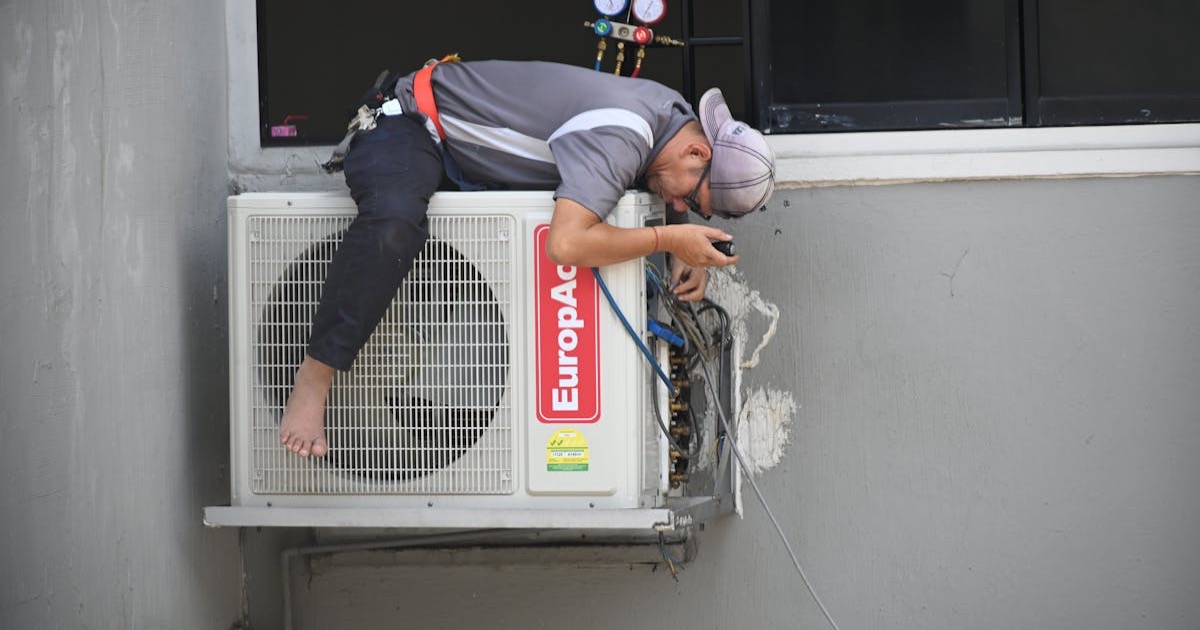
Central Air vs Heat Pump vs Mini Split: Which Is Best for the Okanagan?
A detailed comparison of central air conditioning, air source heat pumps, and ductless mini splits for Okanagan homeowners. Covers purchase costs, operating costs, efficiency, climate suitability, available BC rebates, and maintenance requirements for each system.
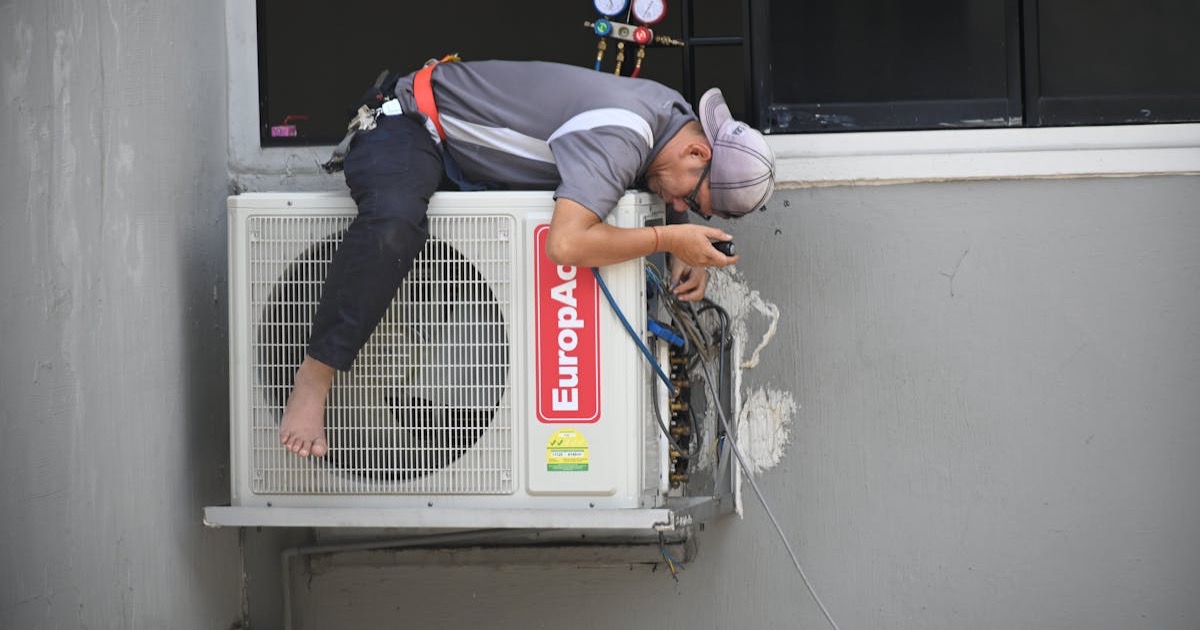
The Complete HVAC Maintenance Schedule Every Homeowner Needs (2026 Guide)
A complete HVAC maintenance schedule covering monthly, seasonal, and annual tasks. Learn exactly what to do yourself and when to call a professional to keep your heating and cooling system running efficiently for years longer.
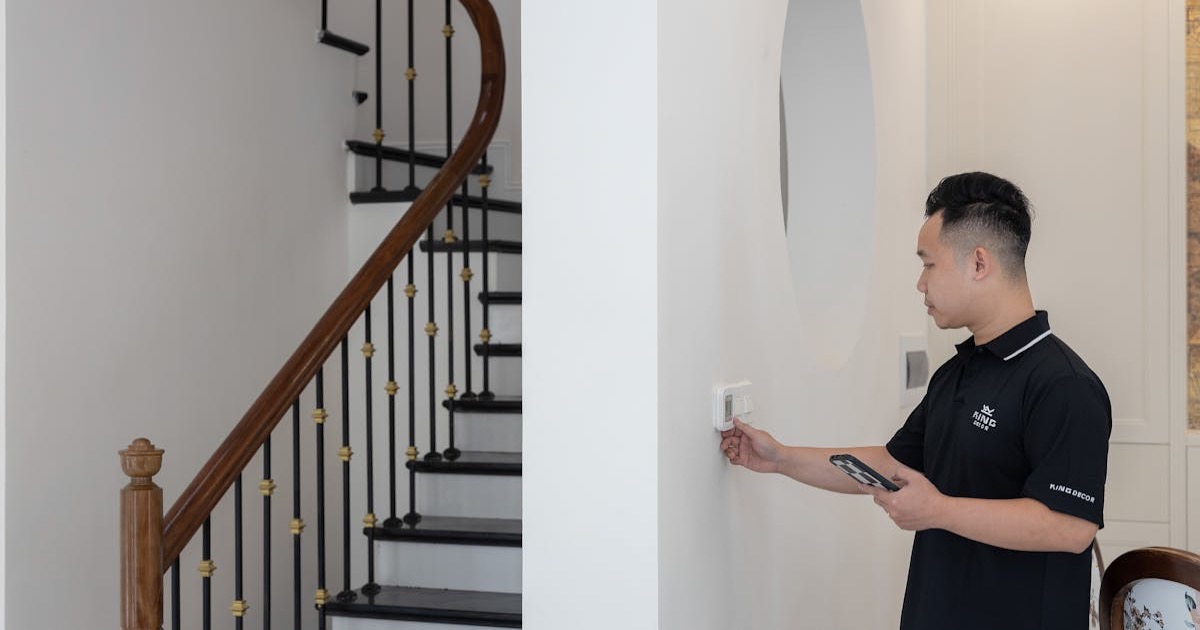
How to Lower Your Heating Bill This Winter: 15 Proven Strategies That Actually Work
Fifteen actionable strategies to reduce your winter heating bill, ranked by cost and impact. Covers everything from free thermostat adjustments to high-return insulation upgrades, with real savings numbers for each approach.