Fall Home Winterization Checklist for the Okanagan: Prepare Before the Cold Hits
Complete fall winterization checklist for Okanagan homeowners. Protect your pipes, furnace, gutters, and more before winter arrives in Kelowna and BC.

Why Fall Winterization Is Non-Negotiable in the Okanagan
The Okanagan Valley experiences a dramatic seasonal transition. In September, you might still be swimming in the lake and running your irrigation system. By November, nighttime temperatures drop below minus 10, the first snow is on the ground, and your furnace is running around the clock.
This rapid shift from summer to winter creates a narrow window - roughly six to eight weeks - to prepare your home for conditions that will test every system, surface, and seal for the next five months. Miss that window, and the Okanagan winter will find every weakness. Burst pipes from unfrozen hose bibs. Cracked foundations from poor drainage. Furnace failures in the dead of night. Ice dams from clogged gutters. Every one of these is preventable with proper fall preparation.
The homeowners who handle winterization systematically in September and October are the ones who coast through winter with minimal stress and expense. The homeowners who procrastinate are the ones calling emergency plumbers, furnace technicians, and restoration companies in January.
September: Early Preparation and System Transitions
September is about transitioning from summer to fall operation and addressing any maintenance that was deferred during the busy summer months.
Furnace and Heating System Service
Schedule your annual furnace service for September or early October. This is before the heating season rush, so technicians are available and you have time to address any issues before you need the heat.
A professional furnace service includes:
- Heat exchanger inspection. A cracked heat exchanger can leak carbon monoxide into your home. This is a safety-critical check that should never be skipped.
- Burner cleaning and adjustment. Dirty or misaligned burners reduce efficiency and can cause delayed ignition, which stresses the system.
- Blower motor and belt inspection. A failing blower motor in February means no heat until it can be replaced.
- Thermostat calibration. An inaccurate thermostat can leave you overheating or underheating your home.
- Filter replacement. Start the heating season with a fresh filter.
- Flue and venting inspection. Ensures combustion gases are being properly exhausted outside.
- Safety control testing. Verifies that flame sensors, limit switches, and gas valves are functioning correctly.
If your furnace is older than 15 years, ask the technician for an honest assessment of its remaining lifespan. Replacing a furnace on your timeline in October is far better than replacing one on an emergency basis in January when prices are higher and wait times are longer.
HVAC Tune-Up
Starting at $155/visit - included in your plan
Chimney and Fireplace Inspection
If you have a wood-burning fireplace or stove, September is the time to have your chimney swept and inspected. Creosote buildup from last winter's fires is a fire hazard, and animal nests built in the chimney over summer need to be removed before you light your first fire.
A chimney sweep includes:
- Removal of creosote and soot buildup
- Inspection of the flue liner for cracks or deterioration
- Check of the damper operation
- Inspection of the chimney cap and spark arrestor
- Verification that the firebox and surround are intact
Irrigation System Blowout
The single most important outdoor winterization task in the Okanagan is properly shutting down and blowing out your irrigation system. Water left in irrigation lines, sprinkler heads, and valves will freeze, expand, and crack the components. The damage is not visible until spring when you turn the system on and discover that multiple heads are broken, valves are leaking, and mainlines are cracked.
Professional irrigation blowout uses compressed air to force all water from the system:
- Close the main water supply to the irrigation system.
- Open drain valves on the mainline.
- Connect an air compressor (80 to 100 PSI for PVC systems, 50 to 80 PSI for polyethylene pipe) to the system.
- Blow out each zone individually, starting with the zone farthest from the compressor and working back.
- Run each zone until no water is visible coming from the sprinkler heads.
- Leave drain valves partially open through winter.
Outdoor Plumbing Winterization
Beyond the irrigation system, all outdoor plumbing needs to be winterized:
- Disconnect all garden hoses from outdoor faucets. A hose left connected traps water in the hose bib, which freezes and can crack the pipe inside your wall.
- Shut off the indoor valve supplying each outdoor hose bib, then open the outdoor faucet to drain remaining water.
- If you have frost-free hose bibs, they still need hoses disconnected to drain properly. The frost-free design only works if the faucet can drain - a connected hose prevents this.
- Drain any outdoor water features, fountains, or birdbaths, or install a deicer if you want to keep them running.
- Insulate exposed pipes in unheated areas like crawl spaces, garages, and along exterior walls with pipe insulation sleeves.
October: Exterior Hardening and Final Preparation
October is the critical month. First frost can arrive at any time, and once freezing temperatures set in, exterior work becomes difficult or impossible. Everything on this list should be completed by the end of October.
Gutter Cleaning
Clean your gutters thoroughly in October, ideally after the majority of leaves have dropped. In the Okanagan, most deciduous trees drop their leaves by mid to late October, making the last week of October or first week of November the ideal cleaning window.
Why this timing matters: Gutters clogged with leaves and debris in winter cause ice dams. Water backs up behind the ice, works under your shingles, and leaks into your attic and walls. Ice dam damage is one of the most expensive and preventable winter problems in the Okanagan.
While cleaning, inspect your gutters for:
- Sagging sections that need reattachment
- Rust, holes, or cracks that need repair or replacement
- Proper slope toward downspouts (gutters should slope about 1 centimetre per 3 metres of length)
- Secure downspout connections at all joints
- Downspout extensions directing water at least 1.5 metres from your foundation
Gutter Cleaning
Starting at $160/visit - included in your plan
Roof Inspection
Before winter snow loads arrive, inspect your roof for:
- Missing, cracked, or curling shingles that need replacement
- Damaged or deteriorated flashing around chimneys, vents, and skylights
- Clogged roof vents that impede attic ventilation (poor ventilation contributes to ice dams)
- Tree branches overhanging or touching the roof that should be trimmed back
If your roof needs repairs, October is the last realistic window before winter. Roofing work in November and December is weather-dependent and often carries a premium due to demand.
Window and Door Sealing
Walk through your home and check every window and door for air leaks. Hold a lit candle or incense stick near the edges of window frames and door frames - flickering indicates air infiltration that will cost you money all winter.
Address leaks by:
- Replacing worn weatherstripping on doors. Self-adhesive foam tape is a quick fix; V-strip or door sweeps provide better long-term performance.
- Re-caulking windows where the existing caulk has cracked, shrunk, or separated. Use a high-quality exterior-grade caulk rated for the Okanagan's temperature extremes.
- Installing window insulation film on single-pane windows or older double-pane windows. This inexpensive plastic film creates an insulating air pocket that significantly reduces heat loss.
- Checking door thresholds. If you can see daylight under a closed exterior door, the threshold needs adjustment or the door sweep needs replacement.
Exterior Caulking and Sealing Audit
Beyond windows and doors, inspect and reseal:
- Where siding meets the foundation - a common entry point for cold air and moisture
- Around exterior light fixtures and outlets
- Where utility lines enter the building - cable, gas, electrical, phone
- Around dryer vents, bathroom exhaust vents, and range hood vents
- At the junction of different building materials - where brick meets siding, where the chimney meets the roofline
Exterior Drainage Check
Before the ground freezes, verify that your property's drainage is directing water away from your foundation:
- Check grading. The ground should slope away from your foundation at a rate of at least 2.5 centimetres per 30 centimetres for the first 1.5 metres.
- Extend downspouts. Route water at least 1.5 metres from the foundation, farther if possible.
- Clear window wells of debris and verify covers are secure.
- Check the sump pump if you have one. Test it with a bucket of water and verify the discharge pipe is clear.
Prepare Outdoor Furniture and Equipment
- Clean, dry, and store outdoor furniture or cover it with weatherproof covers.
- Drain and store garden hoses in a shed or garage. Coiled hoses left outside crack in the cold.
- Service your snow blower before you need it. Change the oil, check the spark plug, verify the auger and chute work properly, and fill the fuel tank with stabilized fuel.
- Stock up on ice melt and sand before winter demand drives up prices. Store in a dry location.
- Store or cover the barbecue after a final cleaning and grease trap change.
November: Final Checks and Winter Mode
By November, your home should be fully winterized. This month is about final verification and transitioning into winter maintenance mode.
Heating System Verification
Your furnace was serviced in September, but verify it is operating properly now that it is running regularly:
- Check all vents and registers are open and unblocked. Furniture, rugs, and drapes often end up covering vents.
- Replace the furnace filter if you have been running the heat for several weeks.
- Verify the humidifier is working if your furnace has one. Okanagan winter air is extremely dry, and proper humidity levels (30 to 40 percent) improve comfort, protect wood furniture and flooring, and reduce static electricity.
- Check that your thermostat is programmed for winter. A programmable thermostat set to lower the temperature by 3 to 5 degrees while you sleep and while you are away can reduce your heating bill by 10 to 15 percent.
Pipe Freeze Prevention
With freezing temperatures now a nightly occurrence:
- Verify pipe insulation in unheated areas - crawl spaces, garages, attics, and along exterior walls.
- Know where your main water shutoff valve is and ensure it turns freely. If a pipe bursts, you need to shut off the water within seconds, not minutes.
- Open cabinet doors under kitchen and bathroom sinks on exterior walls during deep cold snaps to allow warm air to circulate around the pipes.
- Let faucets drip slightly on nights when temperatures drop below minus 15. Moving water is harder to freeze than standing water.
Emergency Kit Preparation
Every Okanagan home should have a winter emergency kit in case of extended power outages during ice storms or heavy snowfall:
- Flashlights and batteries (or rechargeable lanterns)
- Blankets and warm clothing accessible without electricity
- Non-perishable food and bottled water for 72 hours
- Battery-powered or hand-crank radio
- First aid kit
- Fully charged portable phone charger
- Cash in case electronic payment systems are down
- Prescription medications - a minimum three-day supply
The Complete Fall Winterization Checklist
September Tasks
| Task | Priority | DIY or Pro |
|---|---|---|
| Schedule furnace service | High | Pro |
| Chimney sweep and inspection | High | Pro |
| Irrigation system blowout | High | Pro |
| Disconnect garden hoses | High | DIY |
| Shut off outdoor hose bibs | High | DIY |
| Insulate exposed pipes | High | DIY |
| Service snow blower | Medium | DIY |
| Test smoke and CO detectors | High | DIY |
October Tasks
| Task | Priority | DIY or Pro |
|---|---|---|
| Gutter cleaning (after leaf drop) | High | Pro recommended |
| Roof inspection | High | Pro for repairs |
| Window and door sealing check | High | DIY |
| Exterior caulking audit and repair | High | DIY or Pro |
| Check exterior drainage and grading | Medium | DIY |
| Store outdoor furniture and equipment | Medium | DIY |
| Stock ice melt and sand | Medium | DIY |
| Trim tree branches near roof | Medium | Pro |
| Clean and store garden tools | Low | DIY |
November Tasks
| Task | Priority | DIY or Pro |
|---|---|---|
| Verify heating system operation | High | DIY |
| Replace furnace filter | High | DIY |
| Check humidifier operation | Medium | DIY |
| Program thermostat for winter | Medium | DIY |
| Verify pipe freeze prevention measures | High | DIY |
| Prepare winter emergency kit | High | DIY |
| Test sump pump | High | DIY |
| Final exterior walk-around before snow | Medium | DIY |
Fall Winterization Costs in the Okanagan
| Service | Typical Cost |
|---|---|
| Furnace service and inspection | $150 to $250 |
| Chimney sweep | $150 to $250 |
| Irrigation blowout | $75 to $150 |
| Gutter cleaning | $150 to $250 |
| Window and door weatherstripping | $50 to $150 (DIY materials) |
| Exterior caulking | $30 to $80 (DIY materials) |
| Pipe insulation | $20 to $60 (DIY materials) |
| Snow blower service | $75 to $150 |
| Total (hybrid DIY and pro) | $700 to $1,400 |
This investment prevents the emergency calls that routinely cost $500 to $5,000 each during an Okanagan winter. One burst pipe can cause $10,000 or more in water damage. One furnace failure during a cold snap can mean $5,000 or more for emergency replacement. Fall winterization is not an expense - it is insurance.
The Most Common Winterization Mistakes
Leaving Hoses Connected
This is the most common and most preventable winter plumbing failure in the Okanagan. A garden hose left connected to an outdoor faucet traps water in the hose bib, which freezes and cracks the pipe inside your wall. You will not know it happened until spring when you turn the water on and the pipe floods your wall cavity. Disconnect every hose every fall without exception.
Skipping the Irrigation Blowout
Some homeowners drain their irrigation system by opening valves and assume gravity removes the water. It does not. Water sits in low spots, elbows, sprinkler heads, and valve bodies. Only a professional blowout with an industrial compressor removes all the water. A $100 blowout prevents $500 to $2,000 in spring repairs.
Waiting Too Long for Furnace Service
By November, every HVAC company in the Okanagan is booked solid with emergency calls from homeowners whose furnaces failed on the first cold night. Schedule your service in September when technicians are available, prices are normal, and you have time to address issues before you need the heat.
Ignoring Attic Ventilation
Poor attic ventilation is the root cause of most ice dam problems. In winter, heat escaping from your living space melts snow on the roof, which refreezes at the eaves and creates ice dams. Ensuring your attic is properly ventilated and insulated keeps the roof cold and prevents this damaging cycle.
Let My Home Plan Winterize Your Home
Fall winterization involves coordinating multiple trades on a tight timeline. The irrigation technician needs to come before freezing. The HVAC tech needs to come before heating season. The gutter cleaner needs to come after the leaves drop but before the first snow. Timing all of this yourself while managing your own schedule is stressful and often results in missed tasks.
My Home Plan subscribers have every fall winterization task scheduled automatically, in the right order, at the right time. Your irrigation gets blown out, your furnace gets serviced, your gutters get cleaned, and your home goes into winter fully prepared - all without you making a single phone call. Explore our plans and let us handle winter preparation so you can enjoy the Okanagan's beautiful fall season without the stress.
Frequently Asked Questions
Why Homeowners Choose My Home Plan
Predictable Pricing
One monthly payment covers everything. No surprise quotes or hidden fees.
Vetted Contractors
Every contractor is background-checked, insured, and reviewed.
Zero Hassle
We handle scheduling, quality control, and follow-ups. You relax.
Related Articles
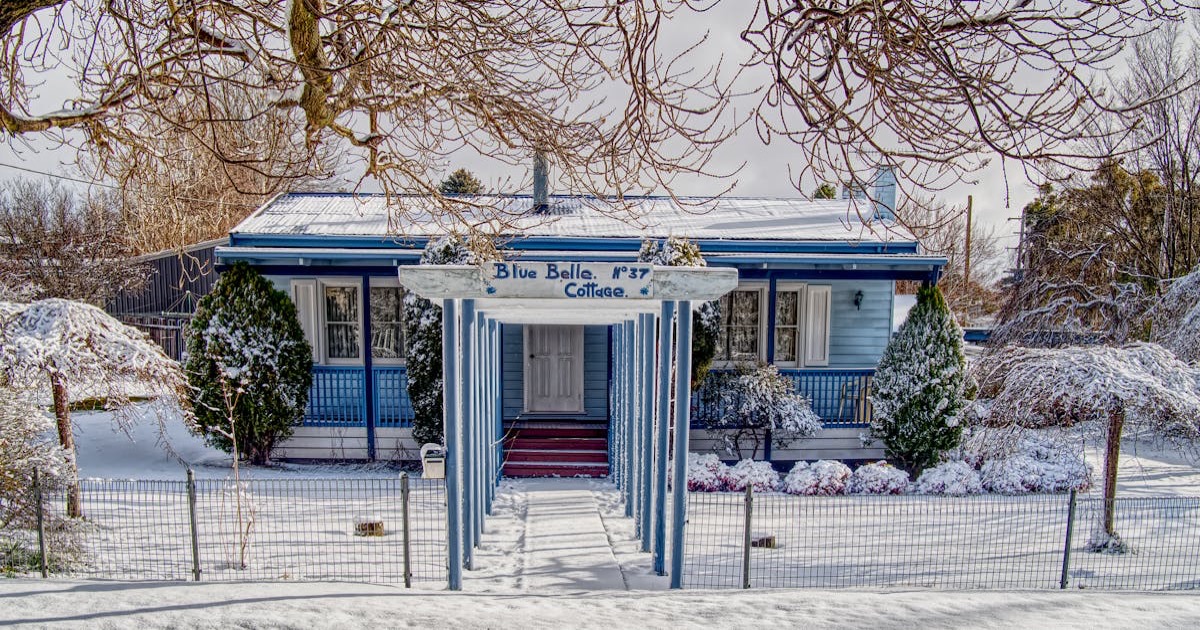
The Ultimate Winter Home Maintenance Checklist for Okanagan Homeowners
A comprehensive 20-item winter home maintenance checklist built specifically for Okanagan homeowners. From pipe protection and heating system prep to snow removal planning and emergency readiness, this guide covers everything you need to winterize your home in Kelowna, West Kelowna, Vernon, Penticton, and beyond.
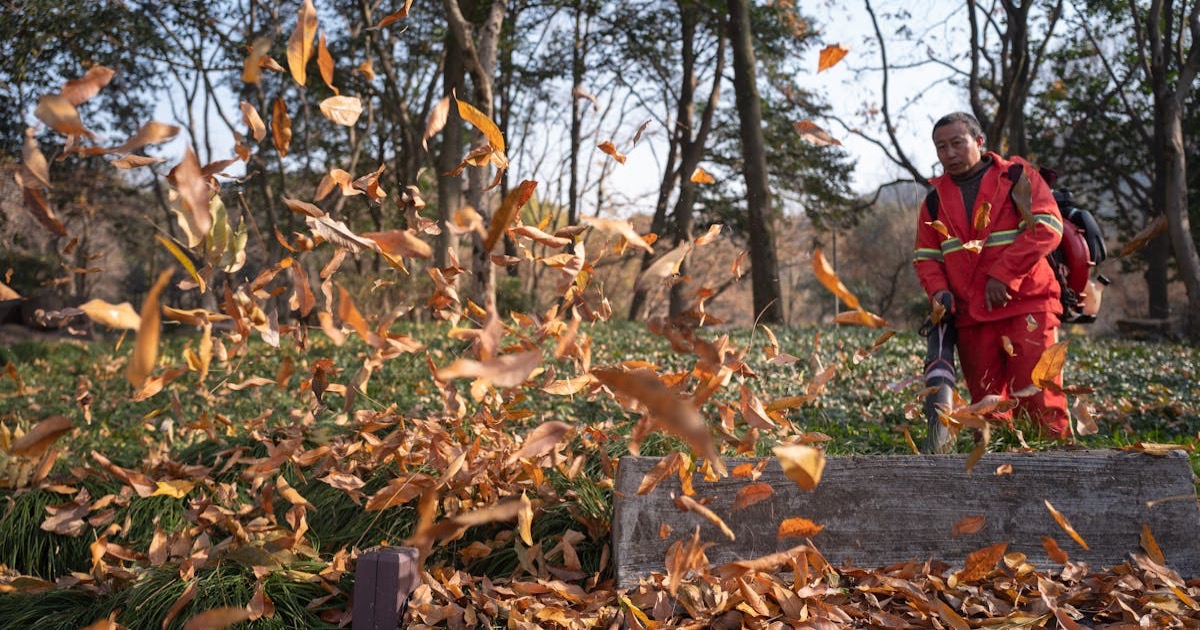
Fall Yard Cleanup Guide: How to Winterize Your Okanagan Property
The work you do in fall determines whether your Okanagan property emerges from winter in good shape or needs expensive repairs come spring. This guide covers every step of fall yard cleanup and winterization.
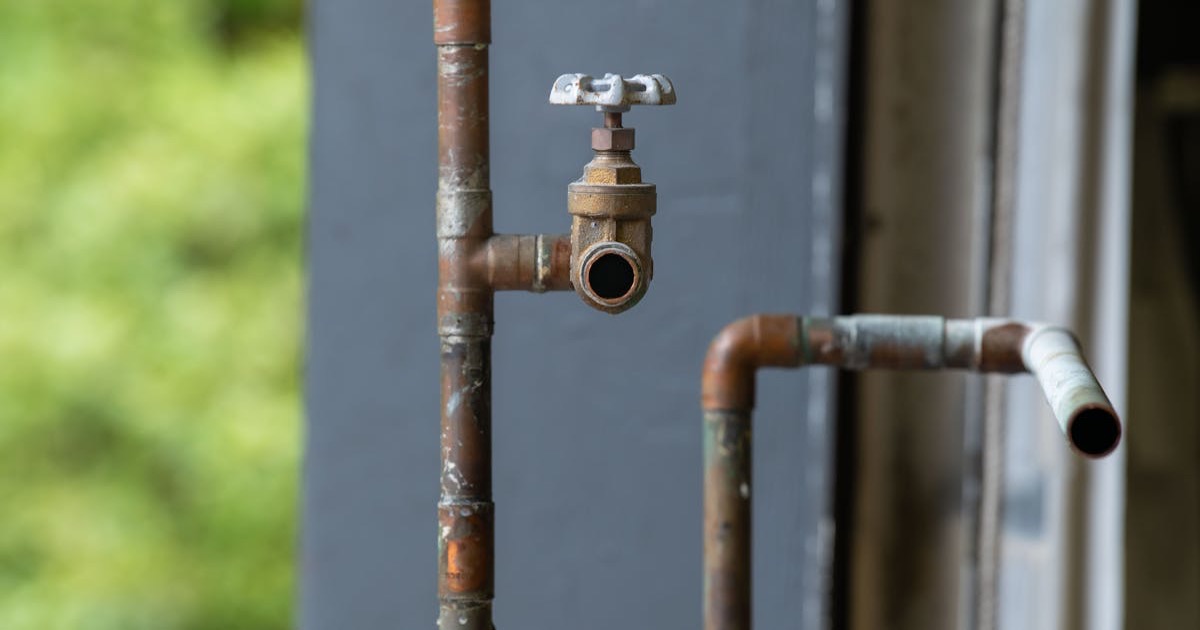
How to Prevent Frozen Pipes in the Okanagan: The Complete Winter Plumbing Guide
Okanagan winters regularly push temperatures below -15C, putting your plumbing at serious risk. This guide covers which pipes freeze first, step-by-step prevention, warning signs of freezing, and exactly what to do if your pipes freeze or burst.