The Ultimate Winter Home Maintenance Checklist for Okanagan Homeowners
20-item winter home maintenance checklist for Okanagan homeowners. Protect your pipes, roof, heating, and driveway before the cold hits Kelowna and the valley.
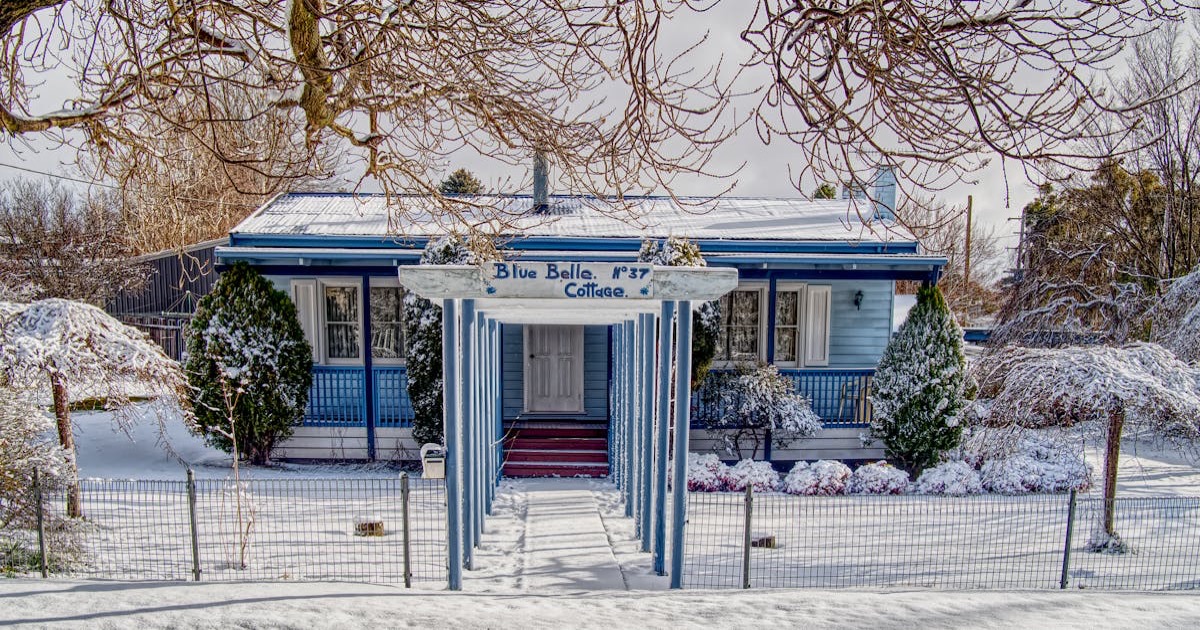
Why Winter Preparation Matters in the Okanagan
The Okanagan Valley's winter is deceptive. After months of 35-degree summers and mild fall weather, it is easy to forget that December through February brings sustained freezing temperatures, heavy snowfall, and the kind of freeze-thaw cycles that punish unprepared homes.
Every winter, Okanagan homeowners deal with burst pipes, failed furnaces, ice-damaged roofs, and frozen driveways. Nearly all of these problems are preventable with proper fall preparation. The homeowners who spend a weekend in October working through a maintenance checklist avoid the emergency repair calls and insurance claims that plague those who wait until the first cold snap.
This checklist covers 20 essential winterization tasks organized by priority and area of your home. Not every task applies to every home, but working through this list systematically will catch the vulnerabilities that matter most.
Heating System Preparation
Your heating system is the most critical component of your home during an Okanagan winter. A furnace failure during a -15 C cold snap is not just uncomfortable - it is an emergency that puts your pipes, your family, and your home at risk.
1. Schedule a Professional Furnace Inspection and Tune-Up
When: Early October, before heating companies get busy Cost: $100 to $200
A professional HVAC technician will:
- Inspect the heat exchanger for cracks (a cracked heat exchanger can leak carbon monoxide)
- Clean and adjust the burner assembly
- Check the ignition system
- Test safety controls and limit switches
- Inspect the flue and venting system
- Check gas connections for leaks
- Measure airflow and combustion efficiency
- Replace the air filter
Do not skip this. A furnace tune-up extends equipment life, improves efficiency (reducing your heating bill by 5 to 15 percent), and catches problems before they become mid-winter emergencies. The average emergency furnace repair call in the Okanagan costs $300 to $800 and often involves waiting 24 to 48 hours for a technician during peak demand.
2. Replace Your Furnace Filter
When: October, then every 2 to 3 months through winter Cost: $10 to $30 per filter
A clean furnace filter is the single easiest way to maintain heating efficiency and indoor air quality. During winter, when your home is sealed up and the furnace runs constantly, a dirty filter restricts airflow, forces the blower motor to work harder, and circulates dust and allergens through your home.
Standard 1-inch filters should be replaced monthly during heavy-use periods. Higher-quality 4-inch pleated filters can last 3 to 4 months.
3. Test Your Thermostat
When: October Cost: Free (or $150 to $300 for a new programmable thermostat)
Before you need your heating system daily, verify that your thermostat is working correctly:
- Switch from cooling to heating mode and confirm the furnace fires up
- Set the temperature 3 to 5 degrees above the current room temperature and verify the furnace responds
- Check that the fan switch works in both AUTO and ON modes
- If you have a programmable thermostat, review and update your winter schedule
If you are still using a manual thermostat, consider upgrading to a programmable or smart thermostat. Setting back the temperature by 3 to 5 degrees while you are asleep or away can reduce heating costs by 10 to 15 percent per season.
4. Inspect and Clean Heating Vents and Returns
When: October Cost: Free (DIY) or $300 to $500 for professional duct cleaning
Walk through your home and check every heating vent and return air grille:
- Remove vent covers and vacuum out accumulated dust and debris
- Make sure no vents are blocked by furniture, rugs, or drapes
- Ensure all vents are open (closing vents in unused rooms is a common mistake that actually reduces system efficiency and can damage your furnace)
Snow Removal & Salting
Starting at $60/visit - included in your plan
Plumbing and Pipe Protection
Frozen pipes are the most expensive preventable winter disaster in the Okanagan. A single burst pipe can release hundreds of litres of water per hour into your home, causing catastrophic damage to floors, walls, furniture, and personal belongings.
5. Insulate Exposed Pipes
When: October Cost: $30 to $100 for materials
Any water pipe that runs through an unheated space is at risk of freezing. In Okanagan homes, the most vulnerable locations are:
- Crawl spaces (especially in older homes with minimal insulation)
- Attached garages
- Exterior walls, particularly north-facing walls
- Unfinished basements near rim joists
- Attic spaces (if any plumbing runs through the attic)
Use foam pipe insulation sleeves (available at any hardware store for $2 to $5 per 6-foot section) to cover all exposed pipes in these areas. For pipes in extremely cold locations, consider electric heat tape wrapped around the pipe beneath the insulation.
6. Disconnect and Drain Outdoor Hoses
When: Mid-October, before the first hard freeze Cost: Free
This is one of the most commonly overlooked winterization tasks and one of the most consequential:
- Disconnect all garden hoses from outdoor faucets
- Drain the hoses completely and store them indoors or in a shed
- If your outdoor faucets have interior shut-off valves, close them and open the outdoor faucet to drain any remaining water
- If you have frost-free hose bibs, they still need hoses disconnected to function properly
A hose left connected to an outdoor faucet traps water in the faucet and the pipe behind it. When that water freezes, it expands and can crack the pipe inside your wall. The leak often goes undetected until spring when you turn the water back on, and by then water may have been seeping into your wall for weeks.
7. Winterize Your Irrigation System
When: Early to mid-October Cost: $75 to $150 for professional blowout
If you have an in-ground sprinkler or irrigation system, it must be properly winterized before freezing temperatures arrive:
- Shut off the water supply to the irrigation system
- Have a professional blow out all lines with compressed air (this requires a commercial-grade compressor - a home compressor is not sufficient)
- Drain the backflow preventer
- Insulate above-ground components (backflow preventer, valves) with insulation covers
Water left in irrigation lines will freeze, expand, and crack pipes, fittings, valves, and sprinkler heads. Spring repair costs for freeze-damaged irrigation systems typically run $500 to $2,000.
8. Know Your Main Water Shutoff Location
When: October (verify and label) Cost: Free
In the event of a burst pipe, being able to shut off your home's main water supply quickly is the difference between a minor incident and a major flood. Every adult in your household should know:
- Where the main water shutoff valve is located
- How to operate it (some valves require a wrench or special tool)
- Where the secondary shut-offs are (usually near water heaters, toilets, and under sinks)
Test the main shutoff valve to make sure it actually works. Valves that have not been operated in years can seize. If yours is stuck or difficult to turn, have a plumber service or replace it before winter.
Snow Removal & Salting
Starting at $60/visit - included in your plan
Roof and Exterior Preparation
Your roof and exterior are the front line against Okanagan winter weather. Addressing vulnerabilities before the snow flies prevents costly damage and keeps your home weathertight.
9. Clean Your Gutters and Downspouts
When: Late October to early November (after leaves finish falling) Cost: $150 to $350 for professional cleaning
Clogged gutters are a direct contributor to ice dams, foundation water damage, and fascia rot. In the Okanagan, the combination of fall leaf drop from deciduous trees and pine needle accumulation from the valley's abundant conifers means gutters fill up fast.
Professional gutter cleaning includes:
- Removing all debris from gutter channels
- Flushing downspouts to clear blockages
- Checking gutter slope and alignment
- Inspecting for damage, corrosion, or loose brackets
- Clearing downspout outlets at ground level
If you have mature trees overhanging your roof, consider installing gutter guards. Quality gutter guards reduce (but do not eliminate) the need for cleaning and significantly reduce the risk of ice dam formation.
10. Inspect Your Roof
When: October (from the ground with binoculars, or hire a professional) Cost: Free (DIY visual) or $150 to $300 for professional inspection
Look for:
- Missing, cracked, or curling shingles
- Damaged or deteriorated flashing around chimneys, vents, and skylights
- Sagging or uneven roof lines
- Moss or algae growth (indicates moisture retention)
- Damaged or missing ridge cap shingles
Any roof damage should be repaired before winter. Snow and ice will exploit every weakness in your roof's surface, and repairs are much more difficult and expensive once snow is on the ground.
11. Seal Gaps and Cracks in Your Home's Exterior
When: October (before temperatures drop below 5 C, which is the minimum for most caulking products) Cost: $30 to $80 for materials
Walk around the exterior of your home and inspect:
- Caulking around windows and doors
- Gaps where pipes, cables, or vents penetrate exterior walls
- Foundation cracks and gaps where siding meets the foundation
- Gaps in soffits and fascia
- Weather stripping on exterior doors
Use appropriate sealant for each application: silicone caulk for windows and non-porous surfaces, polyurethane caulk for gaps in siding and trim, and hydraulic cement for foundation cracks. Replace worn weather stripping on all exterior doors.
12. Trim Trees and Remove Dead Branches
When: October to November Cost: Varies; $200 to $1,000+ for professional tree service
Okanagan winters bring heavy, wet snow that weighs down tree branches. Branches overhanging your roof, driveway, or power lines are a hazard:
- Heavy snow can snap branches onto your roof, causing shingle damage or worse
- Branches falling on power lines can cause outages
- Dead or dying trees near your home can topple in winter storms
Hire a certified arborist to assess and trim any trees within falling distance of your home. Focus on removing dead branches, thinning dense canopies that catch snow, and clearing branches away from your roofline.
Snow Removal & Salting
Starting at $60/visit - included in your plan
Windows and Insulation
Heat loss through windows and poor insulation drives up heating costs and contributes to ice dam formation. Addressing these issues before winter pays dividends in both comfort and energy savings.
13. Check and Upgrade Window Seals
When: October Cost: $10 to $50 for weatherstripping; $200 to $500 for window film kits
Windows are responsible for 25 to 30 percent of residential heating energy loss. Check each window in your home:
- Close the window on a piece of paper. If you can pull the paper out easily, the seal is weak.
- On a cold day, hold your hand near window edges and feel for drafts.
- Look for condensation between panes of double-glazed windows (this indicates seal failure).
For drafty windows:
- Apply self-adhesive foam weatherstripping to the sash edges
- Install V-strip (tension seal) weatherstripping in the window channels
- Apply shrink-fit window insulation film to the interior of windows in unused rooms or particularly drafty windows
If you have single-pane windows, consider interior storm window panels as a cost-effective upgrade ($50 to $150 per window) that dramatically reduces heat loss without the expense of full window replacement.
14. Inspect and Top Up Attic Insulation
When: October Cost: $500 to $2,500 for professional upgrade; $200 to $500 for DIY top-up
Attic insulation is your home's most important defense against heat loss, high heating bills, and ice dams. The current BC Building Code recommends R-50 for attic insulation in the Okanagan.
To check your existing insulation:
- Access your attic through the hatch or pull-down stairs
- Measure the depth of existing insulation
- For fibreglass batts: R-50 requires approximately 16 inches (40 cm) of depth
- For blown cellulose: R-50 requires approximately 14 inches (36 cm) of depth
If your insulation is below R-40, topping it up is one of the highest-return investments you can make. Blown cellulose insulation is generally the most cost-effective option for topping up existing insulation.
15. Insulate the Attic Hatch
When: October Cost: $20 to $50
The attic hatch or pull-down stairs is one of the biggest heat-leak points in most homes. A typical uninsulated attic hatch lets as much heat escape as a small open window.
For a standard attic hatch:
- Attach rigid foam insulation board (2 inches of extruded polystyrene provides approximately R-10) to the top of the hatch cover
- Install self-adhesive weatherstripping around the hatch frame to create an airtight seal
- For pull-down stairs, build or buy an insulated cover box that sits over the stairs when retracted
Snow Removal & Salting
Starting at $60/visit - included in your plan
Snow and Ice Preparation
Proactive snow and ice preparation before winter means you are ready when the first storm hits instead of scrambling to find a snow shovel at the hardware store with everyone else.
16. Arrange Snow Removal Service
When: October (before providers fill their routes) Cost: $65 per event (approximately $1,300 per season for 20 events)
Professional snow removal in the Okanagan should be arranged before the season starts. Reputable providers book up quickly, and waiting until the first snowfall means you are competing with every other homeowner who procrastinated.
When choosing a provider, prioritize:
- Automatic service (they come when it snows without you calling)
- Clear response time commitments (within 4 to 8 hours of snowfall ending)
- Proof of insurance (commercial general liability and WorkSafeBC)
- Transparent pricing with no hidden fees
A home maintenance subscription like My Home Plan includes snow removal as part of a year-round service package, eliminating the need to find and manage a separate snow removal contractor each year.
17. Stock De-Icing Products and Winter Supplies
When: October Cost: $50 to $100
Purchase before the rush:
- Calcium chloride or magnesium chloride for walkways and steps (two 20 kg bags for the season)
- Sand or traction grit for icy patches
- A quality snow shovel with an ergonomic handle
- Ice scraper or chopper for packed ice on steps
Store de-icing products in a dry location (a sealed bin in the garage works well). Moisture causes clumping and reduces effectiveness.
18. Install Driveway Markers
When: November (before first snowfall) Cost: $15 to $30 for a set of markers
Driveway markers (snow stakes) are thin, flexible rods placed along the edges of your driveway. They serve two critical purposes:
- They guide snow removal operators so they clear your full driveway without going into your lawn, garden beds, or landscaping
- They help you see your driveway edges when everything is covered in snow, preventing you from driving off the edge
Place markers every 8 to 10 feet along both edges of your driveway, at the corners, and at any points where the driveway curves or narrows. Reflective markers are visible in headlights during early-morning departures.
Emergency Preparedness
Okanagan winters bring power outages, extreme cold snaps, and road closures. Being prepared for emergencies is not alarmist - it is practical.
19. Prepare a Winter Emergency Kit
When: November Cost: $100 to $200
Every Okanagan home should have a winter emergency kit that can sustain your household for 72 hours without power or the ability to leave your home.
Essential items:
- Flashlights and extra batteries (or hand-crank flashlights)
- Battery-powered or hand-crank radio
- 4 litres of water per person per day (12 litres per person total)
- Non-perishable food for 3 days (canned goods, energy bars, dried fruit)
- Manual can opener
- First aid kit
- Warm blankets or sleeping bags (one per person)
- Medications (3-day supply of any prescription medications)
- Phone charging bank (fully charged)
- Cash (ATMs and payment terminals do not work during power outages)
If you have a fireplace or wood stove:
- Ensure you have a full cord of seasoned firewood before winter
- Have the chimney inspected and cleaned annually (a dirty chimney is a fire hazard)
- Keep fire-starting supplies accessible
20. Test Carbon Monoxide and Smoke Detectors
When: October (and monthly through winter) Cost: $30 to $60 per detector if replacement is needed
Winter is the peak season for both house fires (from heating equipment) and carbon monoxide incidents (from furnaces, fireplaces, and improper use of generators or fuel-burning appliances).
- Test every smoke detector and carbon monoxide detector in your home
- Replace batteries (or replace the entire unit if it is battery-sealed and more than 10 years old)
- Ensure you have carbon monoxide detectors on every level of your home and near every sleeping area
- If you have a natural gas furnace, ensure a CO detector is installed near the furnace room
BC Building Code requires working smoke alarms on every floor and in every bedroom. Carbon monoxide detectors are required in homes with fuel-burning appliances or an attached garage.
Snow Removal & Salting
Starting at $60/visit - included in your plan
Your Winter Maintenance Timeline
Here is a condensed timeline for working through this checklist:
Early October
- Schedule and complete furnace inspection and tune-up
- Replace furnace filter
- Test thermostat and heating system
- Insulate exposed pipes
- Disconnect outdoor hoses and shut off exterior faucets
- Winterize irrigation system
- Inspect and top up attic insulation
- Seal exterior gaps and cracks (requires temperatures above 5 C for caulking)
- Test smoke and carbon monoxide detectors
Late October to Early November
- Clean gutters and downspouts (after leaves finish falling)
- Inspect roof from the ground
- Trim trees and remove dead branches
- Check and upgrade window seals
- Insulate attic hatch
- Arrange snow removal service
November
- Stock de-icing products and winter supplies
- Install driveway markers
- Prepare winter emergency kit
- Clean and inspect heating vents and returns
- Do a final walkthrough of all completed tasks
Monthly Through Winter
- Replace furnace filter every 1 to 3 months
- Test smoke and carbon monoxide detectors
- Check pipe insulation in crawl spaces and garage
- Replenish de-icing products as needed
The Cost of Not Preparing
Homeowners who skip winter preparation often pay far more in emergency repairs than they would have spent on prevention:
| Preventable Problem | Typical Repair Cost |
|---|---|
| Burst pipe and water damage | $5,000 to $50,000 |
| Ice dam roof damage | $2,000 to $10,000 |
| Emergency furnace repair | $300 to $2,000 |
| Frozen irrigation system repair | $500 to $2,000 |
| Slip-and-fall liability claim | $10,000 to $200,000+ |
Compare that to the cost of prevention: a few hundred dollars in materials, a furnace tune-up, a gutter cleaning, and a snow removal subscription. The math is clear.
Let My Home Plan Handle Your Winter Maintenance
Working through a 20-item checklist every October is effective, but it is also time-consuming and easy to let slip. A home maintenance subscription handles the professional tasks on this list automatically - furnace tune-ups, gutter cleaning, plumbing inspections, and snow removal - on schedule, every year, without you having to remember, schedule, or manage multiple contractors.
That is what My Home Plan was built for. One subscription. Every season covered. No checklist anxiety.
Ready to simplify your home maintenance?
Get all your home services in one monthly plan. Vetted contractors, guaranteed scheduling, predictable pricing.
Frequently Asked Questions
Why Homeowners Choose My Home Plan
Predictable Pricing
One monthly payment covers everything. No surprise quotes or hidden fees.
Vetted Contractors
Every contractor is background-checked, insured, and reviewed.
Zero Hassle
We handle scheduling, quality control, and follow-ups. You relax.
Related Articles
How to Prevent Ice Dams and Dangerous Ice Buildup on Your Home
Ice dams and ice buildup cause thousands of dollars in damage to Okanagan homes every winter. Learn the science behind ice dams, compare de-icing products, understand your liability as a property owner, and discover prevention strategies that actually work.

How Home Maintenance Increases Property Value: 10 Tasks Ranked by ROI (Data-Backed)
Regular home maintenance does not just prevent problems - it actively increases your property value. We ranked the top 10 maintenance tasks by ROI using real data from appraisals, buyer surveys, and inspection reports. The numbers tell a clear story.
Gutter Cleaning: The Most Overlooked Home Maintenance Task That Could Cost You Thousands
Clogged gutters cause more damage to Canadian homes than most homeowners realize. From foundation cracks to ice dams, learn why gutter cleaning is the single most important maintenance task you're probably skipping - and what it's costing you.