Winter Home Maintenance in the Okanagan: Snow Removal, Ice Dams, Frozen Pipes, and Heating
Winter maintenance guide for Okanagan homeowners covering snow removal, ice dam prevention, frozen pipe protection, and heating efficiency in cold weather.

The Reality of an Okanagan Winter
The Okanagan Valley's reputation as a summer paradise sometimes obscures the reality that its winters are serious. Kelowna, Vernon, Penticton, West Kelowna, Lake Country, Summerland, and Peachland all experience sustained cold, significant snowfall, and the freeze-thaw cycles that cause the most damage to residential properties.
Vernon and Lake Country at the north end of the valley see the most snow, with 100 to 130 centimetres of accumulation in a typical season and stretches of minus 15 to minus 25 degree temperatures. Kelowna and West Kelowna receive 90 to 110 centimetres. Even Penticton, the warmest part of the valley, gets 70 to 90 centimetres and regular sub-zero temperatures from December through February.
These conditions demand active winter maintenance. Unlike fall winterization, which is about preparation, winter maintenance is about ongoing response - dealing with snow as it falls, monitoring your home's systems under stress, and catching problems before they become emergencies.
Snow Removal: Best Practices for Okanagan Homeowners
Timing and Frequency
The most important principle of snow removal is timeliness. Fresh snow is light and easy to clear. Snow that sits for a day or two gets compacted by foot traffic and vehicle tires, bonds to the surface, and can turn into ice that requires chipping or chemical treatment to remove.
Clear your driveway and walkways after every accumulation of 5 centimetres or more. In a moderate snowfall of 10 to 15 centimetres, consider clearing once during the storm and once after it ends rather than waiting for the full accumulation.
Clear snow within a few hours of it stopping. This is especially important if temperatures are expected to rise above zero during the day (causing partial melt) and then drop below zero at night (freezing the melt into ice).
Snow Removal Techniques
Shovelling. For walkways, steps, and light accumulations, a good ergonomic snow shovel is sufficient. Push snow to the side rather than lifting it when possible. When you do lift, bend your knees, keep the load small, and avoid twisting your back. Snow shovelling is one of the leading causes of winter back injuries and heart attacks - pace yourself.
Snow blowing. For larger driveways and heavier snowfalls, a snow blower is far more efficient and less physically demanding. Direct the snow discharge away from walkways, driveways, and your neighbour's property. Avoid throwing snow onto garden beds where the weight can damage plants and the compacted snow takes longer to melt in spring.
Professional service. For homeowners who travel frequently, have physical limitations, or simply want reliable clearing without the effort, professional snow removal provides consistent service after every event. Most Okanagan providers offer automatic service triggered by snow accumulation, so you do not have to call or schedule each visit.
Snow Removal & Salting
Starting at $60/visit - included in your plan
Where to Pile Snow
Snow piling seems like a minor detail until spring melt turns your yard into a pond. Follow these guidelines:
- Never pile snow against your foundation. When it melts, all that water goes directly against your foundation wall and potentially into your basement.
- Keep snow piles away from downspout discharge areas. Blocked drainage during spring melt causes water to pool near the foundation.
- Avoid piling snow on top of septic system components if you have a septic system.
- Do not pile snow where it blocks sightlines at intersections or the end of your driveway.
- Consider where meltwater will flow. Pile snow where the melt will drain toward the street or a low area away from structures.
De-Icing Products
Not all de-icers are equal, and the wrong product can damage your concrete, kill your grass, and harm pets.
Rock salt (sodium chloride) is the cheapest option and works well down to about minus 12 degrees. Below that, it becomes ineffective. Rock salt can damage concrete, corrode metal, and kill vegetation where runoff reaches garden beds or lawns.
Calcium chloride works at much lower temperatures (down to minus 30) and is less damaging to concrete and vegetation. It costs more than rock salt but requires less product per application.
Magnesium chloride is the most concrete-friendly and pet-friendly option. It works down to about minus 15 degrees and causes minimal damage to surfaces and vegetation. It is the most expensive common de-icer.
Sand and gravel provide traction without melting ice. They do not damage surfaces or vegetation but do not actually remove ice. They are best used in combination with a de-icer or on surfaces where chemical products are not appropriate.
Ice Dam Prevention and Management
Ice dams are one of the most damaging and misunderstood winter problems in the Okanagan. An ice dam forms when heat escaping from your living space warms the roof surface, melting snow. The meltwater runs down the roof until it reaches the cold eaves (which extend beyond the heated building), where it refreezes into a ridge of ice. This ice ridge traps subsequent meltwater, which backs up under shingles and leaks into your home.
Root Cause Solutions
Ice dams are a symptom, not the problem. The real issues are inadequate attic insulation, insufficient attic ventilation, or air leaks between your living space and the attic.
Attic insulation. In the Okanagan's climate zone, attic insulation should be R-50 or higher. Many older homes have R-20 or less. Adding insulation to bring your attic up to standard is one of the best investments you can make - it prevents ice dams, reduces heating costs, and improves comfort.
Attic ventilation. A properly ventilated attic stays cold in winter, keeping the roof surface uniformly cold so snow does not melt unevenly. This requires balanced intake ventilation (soffit vents) and exhaust ventilation (ridge vent, roof vents, or gable vents). If your soffit vents are blocked by insulation - a common problem - cold air cannot enter and the attic overheats.
Air sealing. Warm air from your living space rises into the attic through every gap and penetration: recessed lights, plumbing vents, electrical wires, the attic hatch, bathroom exhaust fans, and gaps around chimneys. Sealing these air leaks prevents warm air from reaching the attic and heating the roof.
Emergency Ice Dam Response
If an ice dam has already formed and you are seeing water stains on your ceiling:
-
Create channels in the ice dam to allow trapped water to drain. Use a calcium chloride ice melt product (not rock salt, which damages shingles) placed in a nylon stocking laid across the ice dam perpendicular to the gutter. The calcium chloride will melt a channel through the ice.
-
Remove snow from the roof above the ice dam using a roof rake from the ground. Removing the snow eliminates the source of meltwater feeding the dam.
-
Do not chip or hack at the ice dam with an axe, hammer, or ice pick. You will damage your shingles and may puncture the roof deck.
-
Do not use a pressure washer or hot water to melt the ice. The water can refreeze and make the problem worse, and hot water on cold shingles can cause cracking.
-
Call a professional for safe removal if the dam is severe or you cannot reach it from the ground. Professional roof ice dam removal typically costs $200 to $500.
Frozen Pipe Prevention and Response
Frozen pipes are the second most common winter emergency for Okanagan homeowners, after furnace failures. When water freezes inside a pipe, it expands with enormous force - up to 25,000 PSI - which is more than enough to rupture copper, PVC, or PEX pipe.
Prevention
Know your vulnerable pipes. Pipes in exterior walls, crawl spaces, garages, attics, and under kitchen sinks on exterior walls are most at risk. If you had a frozen pipe issue in a previous winter, that pipe is your priority.
Insulate vulnerable pipes. Pipe insulation sleeves are inexpensive and easy to install. For extremely vulnerable pipes, consider thermostatically controlled heat tape that activates automatically when temperatures drop.
Keep the heat on. Never let your home's interior temperature drop below 12 degrees, even when you are away. The few dollars saved on heating are trivial compared to the cost of a burst pipe and water damage.
Open cabinet doors. On cold nights (below minus 10), open the cabinet doors under kitchen and bathroom sinks on exterior walls to let warm room air reach the pipes.
Let faucets drip. When temperatures drop below minus 15, let the faucets on your most vulnerable pipes drip slightly. Moving water freezes at a lower temperature than standing water, and the drip relieves pressure in the system even if ice begins to form.
Seal air leaks near pipes. Cold air drafts near plumbing dramatically increase freezing risk. Seal gaps around where pipes penetrate exterior walls, and close foundation vents in winter.
Response to Frozen Pipes
If you turn on a faucet and nothing comes out, or only a trickle flows:
-
Keep the faucet open. As the pipe thaws, water needs somewhere to go.
-
Apply gentle heat to the suspected frozen section. Use a hair dryer, heat lamp, or portable space heater directed at the pipe. Start from the faucet side and work toward the frozen section. Never use a blowtorch, propane heater, or open flame - these can cause a fire or overheat the pipe and cause it to burst.
-
Check for cracks or bulging. If you can see the frozen pipe, look for any visible damage before thawing. If the pipe has already cracked, shut off the main water supply before thawing to prevent flooding.
-
If you cannot locate the frozen section or cannot thaw it yourself, call a plumber. Frozen pipe service calls typically run $150 to $400 in the Okanagan.
Heating System Efficiency and Maintenance
Your furnace works harder during an Okanagan winter than at any other time of year. Keeping it running efficiently saves money and prevents the mid-winter breakdowns that always seem to happen on the coldest night of the year.
Monthly Winter Tasks
Replace or check the furnace filter every 30 days during heating season. A clogged filter forces the blower to work harder, reduces airflow, and can cause the heat exchanger to overheat and crack. During heavy use periods, the filter may clog faster than the manufacturer's recommended interval.
Check all vents and registers monthly. Make sure furniture, drapes, and rugs have not been moved over or in front of heating vents. Blocked vents create pressure imbalances in the ductwork and force the furnace to work harder.
Monitor your heating bills. A sudden increase in your gas or electricity bill that is not explained by a cold snap may indicate your heating system is losing efficiency. Common causes include a dirty filter, a failing blower motor, duct leaks, or thermostat malfunction.
Listen for unusual sounds. Banging, screeching, rattling, or cycling on and off frequently are all signs that something is wrong. Address strange sounds promptly before they become system failures.
Thermostat Optimization
A well-programmed thermostat is one of the easiest ways to reduce heating costs without sacrificing comfort:
- Set to 20 to 21 degrees when you are home and awake.
- Lower to 17 to 18 degrees while you sleep. You will barely notice the difference under blankets, and the savings add up.
- Lower to 16 to 17 degrees when you are away for more than a few hours.
- Never set below 12 degrees even during extended absences, to prevent frozen pipes.
A programmable or smart thermostat automates these adjustments. The initial investment of $100 to $300 typically pays for itself within one or two heating seasons through energy savings.
When the Furnace Fails
If your furnace stops working during a cold snap:
- Check the thermostat. Make sure it is set to heat mode, the temperature is set above current room temperature, and the batteries are not dead.
- Check the furnace filter. A severely clogged filter can cause the furnace to overheat and shut down on the high-limit safety switch.
- Check the circuit breaker. A tripped breaker is an easy fix.
- Check the pilot light or igniter. On older furnaces with a standing pilot, the pilot may have gone out. On newer furnaces with electronic ignition, listen for clicking sounds when the furnace tries to start.
- If none of these solve the problem, call an HVAC technician. In the meantime, use space heaters to keep pipes from freezing and keep your family comfortable. Open faucets to a drip as a precaution.
Ongoing Winter Exterior Maintenance
Roof Snow Load Monitoring
After heavy snowfalls, monitor the snow load on your roof. Most residential roofs in the Okanagan are designed to handle 40 to 60 pounds per square foot of snow load, which corresponds to roughly 90 to 120 centimetres of settled snow. However, ice layers within the snowpack are significantly heavier than fresh snow.
Warning signs of excessive roof snow load:
- Visible sagging in the roofline
- Doors and windows that suddenly stick or will not close
- Cracking sounds from the ceiling or attic
- New cracks appearing in drywall
If you observe any of these, remove snow from the roof immediately. Use a roof rake from the ground if possible. For two-storey homes or steep roofs, hire a professional.
Walkway and Step Safety
Maintaining safe walkways is both a practical necessity and a legal obligation. Under BC law, property owners are responsible for keeping walkways reasonably clear and safe for visitors, mail carriers, and delivery people.
- Clear walkways promptly after snowfall.
- Apply de-icer or sand to icy patches.
- Pay particular attention to steps, which accumulate ice in the corners and along the edges.
- Repair any handrails that are loose or broken - they are critical for safety when surfaces are slippery.
Exterior Vent Monitoring
Check your exterior vents periodically during winter to ensure they are not blocked by snow or ice:
- Furnace exhaust vent. A blocked exhaust can cause carbon monoxide to back up into your home. If your furnace has a direct vent through the wall, keep the area around it clear of snow.
- Dryer vent. Blocked dryer vents cause moisture buildup, which can freeze and completely seal the vent.
- Bathroom exhaust vents. Ice can form over the exterior vent cap, trapping moisture inside.
Winter Safety Checklist
Beyond maintenance, winter safety habits protect your family:
- Test carbon monoxide detectors monthly during heating season. CO poisoning risk increases significantly in winter when furnaces, fireplaces, and gas appliances run continuously.
- Keep a clear path from bedrooms to exits in case of emergency.
- Know the signs of carbon monoxide poisoning: headaches, dizziness, nausea, confusion, and fatigue. If you suspect CO, leave the house immediately and call 911.
- Never use a generator, barbecue, or outdoor heating device indoors. Carbon monoxide from these sources kills multiple Canadians every winter.
- Keep your vehicle's gas tank at least half full during winter to prevent fuel line freezing and ensure you can evacuate if necessary.
Monthly Winter Maintenance Schedule
December
| Task | Frequency |
|---|---|
| Snow removal - driveway and walkways | After each event |
| Check furnace filter | Once |
| Monitor roof snow load | After heavy snowfall |
| Check exterior vents for blockage | Twice |
| Test CO detectors | Once |
January
| Task | Frequency |
|---|---|
| Snow removal - driveway and walkways | After each event |
| Replace furnace filter | Once |
| Monitor for ice dams | Weekly |
| Check pipes in vulnerable areas | During cold snaps |
| Clear ice from walkways and steps | As needed |
February
| Task | Frequency |
|---|---|
| Snow removal - driveway and walkways | After each event |
| Check furnace filter | Once |
| Monitor for ice dams during thaws | Weekly |
| Begin planning spring maintenance | Once |
| Check attic for moisture or leaks | Once |
Let My Home Plan Handle Your Winter Maintenance
Winter in the Okanagan does not wait for convenient timing. Snow falls at 3 AM. Temperatures plummet overnight. Ice forms while you sleep. Managing all of this yourself - especially the snow removal that needs to happen before you leave for work - is demanding and often frustrating.
With a My Home Plan subscription that includes snow removal, your driveway and walkways are cleared after every event, on schedule, without you lifting a shovel or making a call. Combined with our ongoing maintenance services, your home's heating, plumbing, and exterior are monitored and maintained through the entire winter season. You can focus on enjoying the Okanagan's skiing, skating, and winter scenery instead of worrying about ice dams and frozen pipes.
Frequently Asked Questions
Why Homeowners Choose My Home Plan
Predictable Pricing
One monthly payment covers everything. No surprise quotes or hidden fees.
Vetted Contractors
Every contractor is background-checked, insured, and reviewed.
Zero Hassle
We handle scheduling, quality control, and follow-ups. You relax.
Related Articles
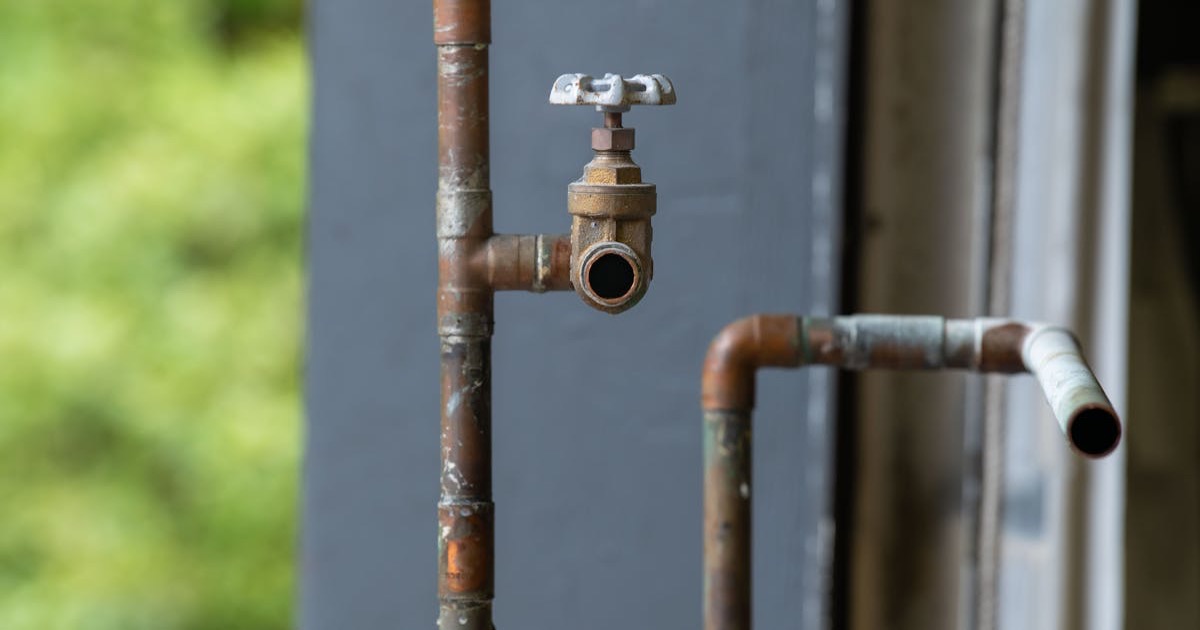
How to Prevent Frozen Pipes in the Okanagan: The Complete Winter Plumbing Guide
Okanagan winters regularly push temperatures below -15C, putting your plumbing at serious risk. This guide covers which pipes freeze first, step-by-step prevention, warning signs of freezing, and exactly what to do if your pipes freeze or burst.
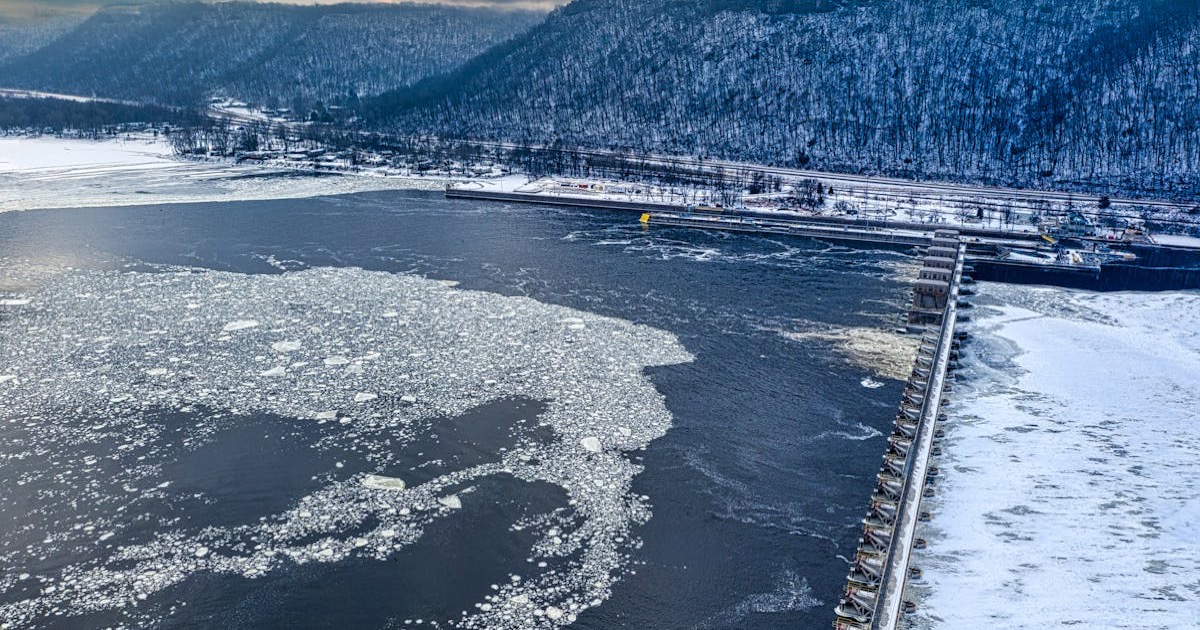
How to Prevent Ice Dams and Dangerous Ice Buildup on Your Home
Ice dams and ice buildup cause thousands of dollars in damage to Okanagan homes every winter. Learn the science behind ice dams, compare de-icing products, understand your liability as a property owner, and discover prevention strategies that actually work.
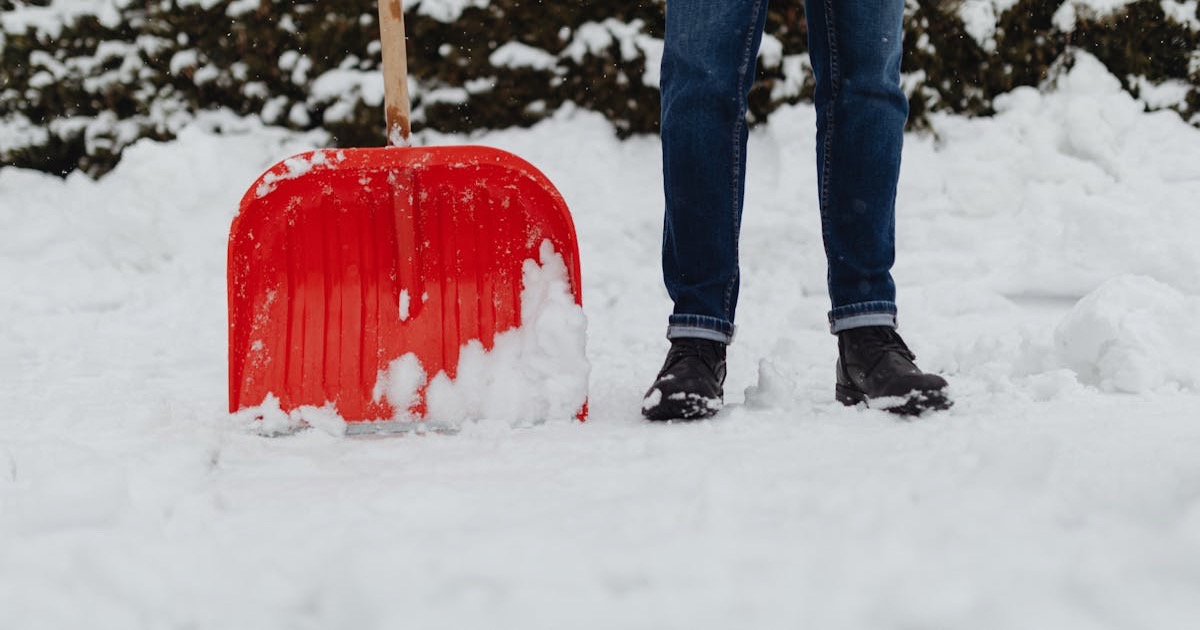
Snow Removal Services in the Okanagan: Complete Cost Guide for 2026
Wondering what snow removal costs in the Okanagan? This guide breaks down per-event pricing, seasonal contracts, what's included in professional service, and how to choose the right provider for Kelowna, West Kelowna, Vernon, Penticton, and Lake Country.