Summer Home Maintenance Guide for the Okanagan: Irrigation, Decks, AC, and Wildfire Prep
Complete summer maintenance guide for Okanagan homeowners covering irrigation, deck care, air conditioning, wildfire preparation, and pest control in the heat.

What Makes Okanagan Summers Different for Homeowners
The Okanagan Valley sits in the rain shadow of the Coast and Cascade mountain ranges, creating a semi-arid climate that produces some of the hottest, driest summers in Canada. Kelowna, Penticton, Vernon, and surrounding communities routinely see stretches of 35-plus degree heat, weeks without rain, intense UV radiation, and - increasingly - wildfire smoke and fire risk that affect every aspect of home ownership.
These conditions create maintenance demands that homeowners moving from the coast, the prairies, or other parts of BC may not anticipate. Irrigation systems work overtime and need constant attention. Decks and fences bake under UV exposure that degrades finishes in a single season. Air conditioning systems strain under sustained heat loads. Foundations can crack as soil shrinks during drought. And the wildfire threat requires vigilance from June through September.
This guide walks through every summer maintenance task Okanagan homeowners need to address, organized by category so you can work through it systematically.
Irrigation and Water Management
Water is the defining resource of an Okanagan summer. Managing it efficiently protects your landscape investment, keeps your water bills reasonable, complies with municipal restrictions, and prevents the foundation damage that comes from both overwatering and underwatering.
Irrigation System Monitoring
Your irrigation system was started up in spring, but summer is when it works hardest and when problems cause the most damage. Throughout the summer months:
Check each zone weekly. Walk your property while each zone runs and look for broken heads, clogged nozzles, misaligned sprinklers spraying onto pavement, and dry spots that indicate coverage gaps. A single broken sprinkler head can waste thousands of litres of water per month while leaving part of your lawn dry.
Adjust run times monthly. Water needs increase from June through August as temperatures rise and rainfall drops to near zero. A schedule that provides adequate water in June will leave your lawn stressed in late July. Most Okanagan lawns need about 2.5 centimetres per week in June, 3.5 to 4 centimetres in July, and 4 to 5 centimetres in August.
Monitor your water bill. A sudden spike in water usage often indicates a leak in the irrigation system - either a broken mainline, a cracked fitting, or a stuck valve. Catching leaks quickly prevents both water waste and landscape damage.
Watering Restrictions and Best Practices
All Okanagan communities enforce summer watering restrictions. Typically, residential properties are assigned specific watering days based on their address, with watering prohibited during peak evaporation hours (usually 10 AM to 6 PM). Check your municipality's current restrictions at the start of each summer, as they can change based on water supply conditions.
Best practices for efficient summer watering:
- Water between 4 AM and 8 AM for minimal evaporation and maximum soil absorption.
- Water deeply and less frequently. Two or three deep waterings per week promote deeper root growth compared to daily light watering that encourages shallow roots.
- Use drip irrigation for gardens and beds. Drip systems deliver water directly to root zones with minimal evaporation loss.
- Mulch all garden beds with 5 to 8 centimetres of organic mulch to retain moisture and moderate soil temperature.
Foundation Watering
This is a task many Okanagan homeowners overlook. During extended dry periods, the clay-heavy soils common in parts of Kelowna, West Kelowna, and Vernon shrink as they lose moisture. This shrinkage can pull away from your foundation, creating gaps that allow water to pool against the foundation wall during fall rains. In severe cases, soil shrinkage causes differential settlement and foundation cracking.
If you notice the soil pulling away from your foundation during a dry stretch, water the perimeter of your home with a soaker hose. You are not trying to flood the area - just maintain consistent moisture levels in the soil adjacent to your foundation. This is especially important for homes on clay-heavy soils.
Air Conditioning and Indoor Comfort
Okanagan summers regularly produce multi-day heat events where temperatures exceed 35 degrees, and the record-breaking heat dome events of recent years have made reliable cooling a necessity rather than a luxury.
Monthly AC Maintenance
Your air conditioning system was professionally serviced in spring, but it needs ongoing attention through the summer:
Replace or clean the furnace filter monthly. Your AC uses the same blower and ductwork as your furnace, and a dirty filter restricts airflow, reducing efficiency and potentially causing the evaporator coil to freeze. During peak summer, a standard filter can clog in as little as three to four weeks, especially if you have pets or if wildfire smoke is present.
Clean the outdoor condenser unit. Once a month, turn off the power to the unit and gently hose down the condenser fins to remove dust, cottonwood fluff, grass clippings, and debris. Keep all vegetation trimmed at least 60 centimetres away from the unit on all sides to ensure adequate airflow.
Check the condensate drain line. Your AC produces condensation that drains through a small PVC pipe, usually near the outdoor unit or to a floor drain. If this line clogs - which happens frequently - water backs up and can damage your furnace, floor, or ceiling. Pour a cup of white vinegar down the drain line monthly to prevent algae buildup.
Monitor performance. If your AC is running constantly but not cooling effectively, or if you notice ice forming on the refrigerant line, there may be a refrigerant issue, a failing compressor, or a blocked coil that requires professional attention.
Maximizing Cooling Efficiency
Several low-cost measures significantly reduce your cooling load:
- Close blinds and curtains on south and west-facing windows during afternoon hours. Solar heat gain through windows accounts for a large percentage of your cooling load.
- Use ceiling fans in occupied rooms. A ceiling fan allows you to raise your thermostat setting by 2 to 3 degrees with no loss of comfort.
- Cook outside or use small appliances. Running your oven in summer adds significant heat to your home that your AC then has to remove.
- Check attic ventilation. A poorly ventilated attic can reach 60 degrees or higher, radiating heat down into your living space. Ensure soffit vents are clear of insulation and that ridge or roof vents are functioning.
- Seal air leaks. Cool air escaping through gaps around windows, doors, electrical outlets, and plumbing penetrations wastes energy. A tube of caulk and a pack of weatherstripping can noticeably improve your comfort and reduce your bills.
Deck, Fence, and Outdoor Living Maintenance
The Okanagan's outdoor living season runs from May through September, and your deck, fences, and outdoor structures take a beating from sustained UV exposure, temperature extremes, and the occasional summer thunderstorm.
Deck Care Through the Summer
If you stained or sealed your deck in spring, it should be in good shape through the summer. Your ongoing maintenance tasks are:
Keep it clean. Sweep your deck weekly to prevent debris buildup. Leaf litter, pine needles, and food debris left on the surface trap moisture and promote mold growth, even in the dry Okanagan summer.
Clean up spills promptly. Grease from barbecues, spilled drinks, and dropped food can stain wood surfaces permanently if left to sit.
Move planters periodically. Planters and pots sitting directly on wood decking trap moisture underneath, promoting rot and discoloration. Use risers or feet under planters, and move them occasionally to let the surface dry.
Check for nail pops and loose fasteners. The expansion and contraction from Okanagan temperature swings - cool mornings, blazing afternoons - can work fasteners loose over the course of the summer. Tighten or replace as needed.
Inspect the substructure mid-summer. Look underneath the deck for signs of pest activity, moisture damage, or structural shifting. Carpenter ants and other wood-boring insects are active during summer months.
Fence Maintenance
Fences in the Okanagan take tremendous UV punishment, especially sections that face south or west.
- Check for leaning posts or loose boards and repair before they worsen.
- Monitor stain or paint condition. If the finish is fading, peeling, or chalking significantly, plan to re-stain or repaint in early fall when temperatures moderate.
- Keep the base clear. Vegetation growing against fence boards traps moisture and accelerates rot. Maintain a clear strip of ground along both sides of the fence.
Wildfire Preparedness
Wildfire preparedness is not a one-time spring task - it requires ongoing attention throughout the Okanagan's fire season, which typically runs from June through September.
Ongoing FireSmart Maintenance
The FireSmart preparation you completed in spring needs to be maintained through the summer:
Keep the non-combustible zone clear. The 1.5-metre zone around your home should remain free of all dead vegetation, stored materials, and combustible debris throughout the fire season. This zone is the single most effective measure you can take to protect your home.
Clean your roof and gutters regularly. Pine needles, leaves, and dry organic debris that accumulate on your roof and in your gutters are wildfire fuel. Clean them monthly during fire season.
Maintain your lawn. A green, well-watered lawn is fire-resistant. A brown, drought-stressed lawn is fire fuel. Keep your grass watered and mowed throughout the summer.
Store firewood properly. Firewood should remain at least 10 metres from your home and any outbuildings throughout the fire season. Cover it with a non-combustible tarp if necessary, but keep the sides open for airflow.
Trim trees and shrubs. Remove any new growth that encroaches within 3 metres of your roofline. Prune lower branches of trees to at least 2 metres from the ground to prevent ground fires from climbing into the canopy.
Emergency Preparation
Beyond property maintenance, every Okanagan homeowner should have:
- A grab-and-go bag with essential documents, medications, phone chargers, and one change of clothes per family member.
- A clear evacuation route planned and discussed with your household. Know two ways out of your neighbourhood.
- Important documents stored digitally in a cloud service, not just in your home.
- Hoses connected and ready at all outdoor faucets during high-risk periods.
- Sprinklers positioned to wet your roof and the area around your home, ready to activate if evacuation is ordered and time permits.
Pest Control and Prevention
Summer is peak pest season in the Okanagan. The warm, dry conditions attract a variety of insects and rodents that can damage your home and landscape.
Common Summer Pests
Carpenter ants are one of the most destructive pests for Okanagan homes. They do not eat wood but excavate galleries for their nests, causing significant structural damage over time. Signs include small piles of sawdust (frass) near wood structures, visible ant trails, and rustling sounds in walls.
Wasps and hornets build nests in eaves, soffits, deck structures, and garden sheds. Early summer is the time to deal with small nests before colonies grow to hundreds or thousands of individuals by late August.
Mice and rats seek water sources during dry months. Even if they were not a problem in winter, summer drought conditions can drive rodents toward irrigated properties and into homes.
Spiders are generally beneficial pest controllers, but black widow spiders are present in parts of the Okanagan, particularly in Osoyoos, Oliver, and southern Penticton. Check dark, undisturbed areas like window wells, storage boxes, and under decks.
Prevention Strategies
- Seal all entry points. Check foundation vents, door sweeps, pipe penetrations, and gaps around windows. A mouse can fit through a gap the size of a dime.
- Remove food sources. Keep garbage in sealed containers, clean up fallen fruit from trees promptly, and do not leave pet food outside.
- Eliminate standing water. Fix leaky outdoor faucets, empty plant saucers, and ensure irrigation is not creating puddles.
- Keep vegetation away from your home. A 30-centimetre gap between plants and your foundation reduces pest access.
- Store firewood away from the house. Woodpiles against the house are an invitation for carpenter ants, termites, and rodents.
Exterior Maintenance in Summer Heat
Paint and Stain Care
The Okanagan's intense UV exposure fades and degrades exterior finishes faster than in most Canadian climates. During summer:
- Monitor south and west-facing surfaces for accelerated fading, chalking, or peeling.
- Touch up small areas promptly. A small touch-up now prevents a full repaint later.
- Avoid painting or staining in extreme heat. If you need to refinish any exterior surfaces, work in the early morning or on overcast days. Applying paint or stain when the surface temperature exceeds 35 degrees causes poor adhesion and premature failure.
Roof Inspection
Check your roof from the ground periodically during summer. Look for:
- Curling or buckling shingles - a sign of heat damage or inadequate ventilation.
- Missing shingles - can be blown off by summer thunderstorms.
- Flashing around vents, chimneys, and skylights - sealant can crack in extreme heat.
If you see any issues, address them before fall rains arrive.
Monthly Summer Maintenance Schedule
June
| Task | Priority |
|---|---|
| Verify irrigation coverage and adjust schedule | High |
| Begin monthly condenser cleaning | High |
| FireSmart zone maintenance check | High |
| Check for wasp and hornet nests | Medium |
| Clean deck and outdoor living areas | Medium |
| Inspect windows for failed seals | Low |
July
| Task | Priority |
|---|---|
| Replace furnace filter | High |
| Mid-summer irrigation system check | High |
| Foundation moisture monitoring | Medium |
| Clean roof and gutters of debris | High |
| Check outdoor faucets for leaks | Medium |
| Inspect deck substructure | Low |
August
| Task | Priority |
|---|---|
| Assess deck and fence finish condition | Medium |
| Clean condenser unit thoroughly | High |
| Deep clean outdoor furniture before fall | Low |
| Plan fall maintenance projects | Medium |
| Check caulking around windows and doors | Medium |
| Verify smoke and CO detectors work | High |
Common Summer Maintenance Mistakes
Overwatering the Lawn
Many homeowners respond to summer heat by cranking up their irrigation. Overwatering wastes water, increases your utility bill, promotes fungal disease, and encourages shallow root growth that makes your lawn less drought-resistant. Stick to the recommended 4 to 5 centimetres per week during peak heat and water deeply rather than frequently.
Ignoring the AC Filter
A dirty filter is the number one cause of summer AC failures. During the Okanagan's hot months - especially when wildfire smoke is present - check your filter every two to three weeks and replace it when it looks dirty, regardless of the manufacturer's recommended replacement interval.
Delaying Pest Response
A small carpenter ant problem in June becomes a major structural concern by September if left untreated. Address pest issues as soon as you notice them. The longer you wait, the more damage occurs and the more expensive the solution becomes.
Let My Home Plan Keep Your Summer Worry-Free
Summer should be about enjoying the Okanagan's incredible outdoor lifestyle, not spending every weekend on maintenance tasks. With a My Home Plan subscription, your irrigation checks, HVAC filter changes, pest prevention, and ongoing property maintenance are handled on schedule by professionals who know the Okanagan climate and its specific demands.
We coordinate every service so you never have to make a phone call, compare quotes, or wonder if something was missed. Your home stays protected, your outdoor spaces stay inviting, and you stay focused on what matters - making the most of an Okanagan summer.
Frequently Asked Questions
Why Homeowners Choose My Home Plan
Predictable Pricing
One monthly payment covers everything. No surprise quotes or hidden fees.
Vetted Contractors
Every contractor is background-checked, insured, and reviewed.
Zero Hassle
We handle scheduling, quality control, and follow-ups. You relax.
Related Articles

Summer Home Maintenance Checklist for the Okanagan: Your Complete Guide
Summer in the Okanagan pushes your home to its limits. Extreme heat, wildfire risk, heavy outdoor use, and drought conditions all demand specific maintenance. This complete checklist covers every task Okanagan homeowners need to handle from June through August.
Preparing Your Okanagan Home for Wildfire Season: A Complete FireSmart Guide
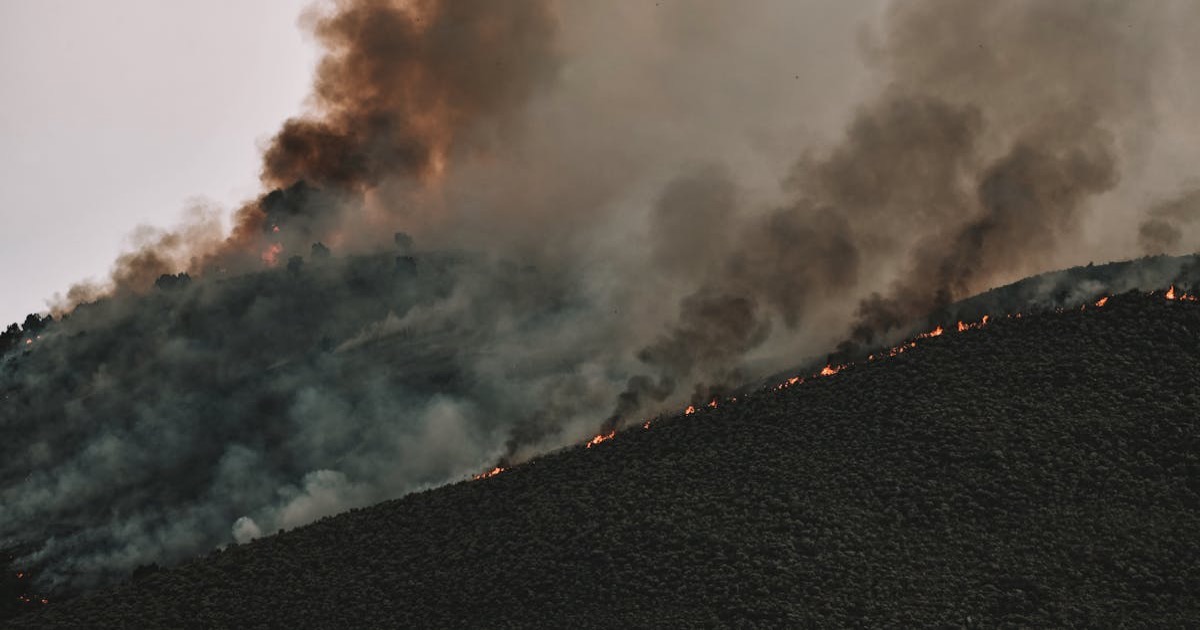
Wildfires are not a hypothetical threat in the Okanagan - they are a recurring reality. This comprehensive guide covers everything you need to know about preparing your home for fire season, from FireSmart defensible space to roof maintenance, gutter cleaning, emergency planning, and insurance considerations.
The Complete HVAC Maintenance Schedule Every Homeowner Needs (2026 Guide)
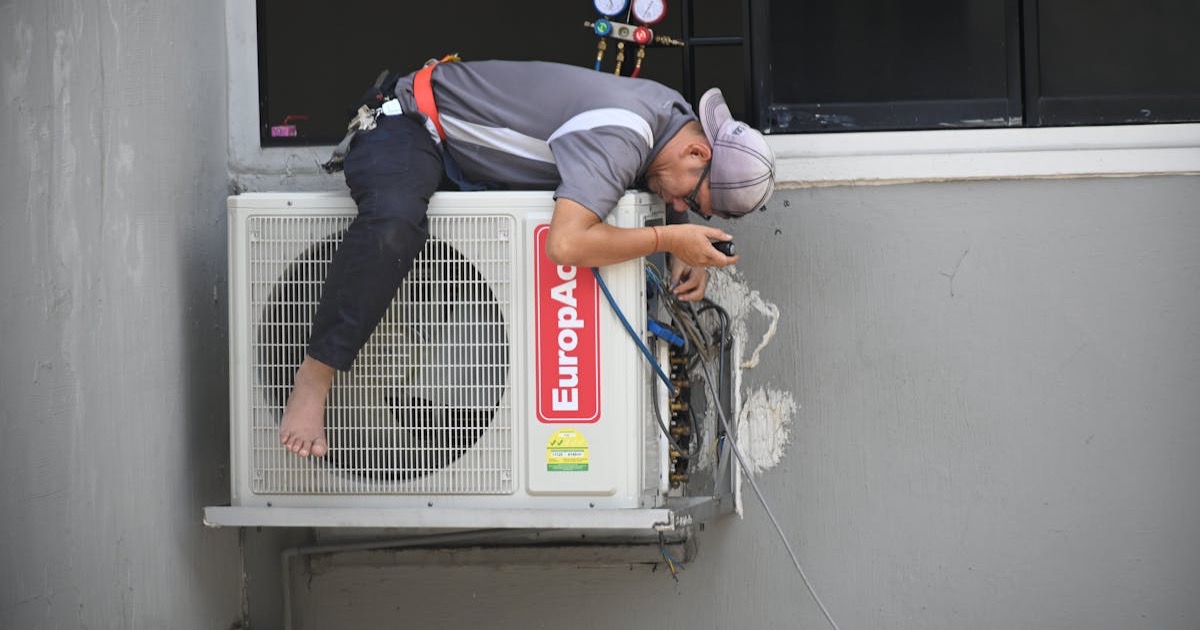
A complete HVAC maintenance schedule covering monthly, seasonal, and annual tasks. Learn exactly what to do yourself and when to call a professional to keep your heating and cooling system running efficiently for years longer.