10 Warning Signs Your Gutters Need Cleaning (And What Happens If You Ignore Them)
Learn the 10 warning signs your gutters need cleaning, the damage timeline if you ignore them, and why repair costs dwarf the price of regular maintenance.

Your gutters don't send you notifications when they need attention. There's no warning light on your dashboard, no alarm that goes off when leaves pack the troughs. But your gutters do communicate - you just have to know what to look for.
The problem is that most homeowners don't check their gutters until something goes visibly wrong. By that point, damage is already underway. Water has been pooling where it shouldn't, moisture has been soaking into wood that needs to stay dry, and repair costs are climbing with every rainstorm.
This guide covers the 10 most reliable warning signs that your gutters need cleaning, a detailed timeline of what happens when you ignore those signs, and a real cost comparison between preventive cleaning and reactive repairs.
The 10 Warning Signs Your Gutters Need Cleaning
1. Water Overflowing During Rainstorms
This is the most obvious sign, and the one most homeowners notice first. During moderate to heavy rain, walk outside and look at your gutters. If water is spilling over the front edge like a waterfall instead of flowing through the troughs to your downspouts, you have a blockage.
A properly functioning gutter system should handle everything short of a torrential downpour without overflow. If you're seeing overflow during normal Okanagan spring or summer rainstorms, debris is restricting flow somewhere in the system.
Where to look: Pay special attention to corners, valley points where two roof planes meet, and areas directly below overhanging trees. These are the spots where debris accumulates fastest.
The best time to inspect your gutters is during a rainstorm - not after. You'll see exactly where the problems are when water is actively flowing through (or overflowing from) the system.
2. Visible Plants Growing From Your Gutters
If you can see weeds, grass, or even small saplings growing from your gutter line, you've gone well past the "needs cleaning" stage. Seeds that land in decomposed leaf matter inside your gutters find a perfect growing environment - moisture, organic soil, and sunlight.
By the time plants are visible from the ground, you have a significant layer of decomposed organic material in your gutters that has been accumulating for months. This material holds water like a sponge, adding weight to your gutter system and keeping moisture against your fascia boards constantly.
3. Staining or Streaking on Your Siding
Look at the siding directly below your gutter line. Do you see vertical dark streaks or discoloration? These "tiger stripes" are caused by dirty water overflowing the gutters and running down the face of your siding.
The stains come from a mix of dissolved organic matter, dirt, and oxidized metal from the gutter material itself. Once these stains set into vinyl, aluminum, or painted wood siding, they require pressure washing or chemical cleaning to remove - an additional cost that proper gutter maintenance would have prevented.
4. Sagging or Pulling Gutters
Gutters are designed to carry water, not hold it. When debris blocks the flow, water sits in the trough and the weight increases dramatically. A 30-foot section of gutter filled with wet debris and standing water can weigh 200 to 400 pounds - far more than the mounting brackets were designed to support.
The result is visible sagging, where sections of the gutter bow downward between brackets. In severe cases, the brackets pull free from the fascia entirely, and the gutter separates from the house.
If you notice your gutters aren't running in a straight, slightly-sloped line anymore, the weight of accumulated debris and water is deforming the system. This needs attention soon - a falling gutter section can damage siding, windows, landscaping, and anyone standing below it.
Never try to push a sagging gutter back into place from a ladder. The combined weight of debris, water, and the gutter itself can shift suddenly. Have a professional assess and remount sagging sections.
5. Water Pooling Near Your Foundation
After a rainstorm, walk the perimeter of your home and look at the ground within 2 to 3 feet of your foundation walls. Is there standing water, saturated soil, or erosion channels?
When gutters overflow, water drops straight down from the roof edge and concentrates along the foundation. Functioning gutters channel that same water through downspouts and away from the house. If you're seeing persistent moisture near the foundation, your gutter system isn't doing its job.
This sign is particularly critical in the Okanagan. Our freeze-thaw cycles mean that water sitting against your foundation today becomes expanding ice tonight. Every cycle drives moisture deeper into the concrete and widens existing micro-cracks.
6. Birds, Squirrels, or Pests Near the Gutter Line
Animals are practical. If they're frequenting your gutter line, it's because something up there is useful to them. Birds nest in debris-filled gutters. Squirrels cache food in the organic matter. Mosquitoes breed in standing water. Carpenter ants feed on the damp, decomposing wood debris.
If you notice an unusual amount of animal activity along your roofline - birds landing on the gutter edge, squirrels running along the trough, or insect swarms near the gutter line on warm evenings - it's a strong indicator that your gutters are packed with debris and holding moisture.
Gutter Cleaning
Starting at $160/visit - included in your plan
7. Granules and Grit Washing Out of Downspouts
Some debris in your downspout discharge is normal - a small amount of shingle granules and dust washes through with every rain. But if you're seeing piles of gritty sediment at your downspout outlets, or if the discharge water looks muddy, your gutters are carrying a heavy sediment load.
This often happens even on homes where large debris like leaves is minimal. Shingle granules, pine pollen, and fine dirt accumulate slowly in the gutter trough, creating a sludge layer that reduces water capacity. If enough of this sludge is washing out the downspouts, even more is staying behind in the gutters.
8. Ice Along the Gutter Line in Winter
In the Okanagan, some icicle formation on gutters during cold snaps is normal. But if you see heavy, persistent ice buildup along the entire gutter line - especially thick ridges of ice at the gutter edge - it means water is sitting in your gutters instead of draining, and freezing in place.
This is the early stage of ice dam formation. The ice blocks the gutter, subsequent meltwater backs up behind it, and that backed-up water can work under your shingles and into your attic. If you see significant ice accumulation on your gutters, you likely had a debris problem going into winter that prevented proper drainage.
The time to prevent ice dam issues is fall, not winter. A thorough gutter cleaning in late October or November - after leaves have fallen but before the first hard freeze - is your best defense against winter ice dams in the Okanagan.
9. Mildew or Moisture Marks on Exterior Walls
Look at the exterior walls directly below your gutter line, especially on the north-facing side of your home where surfaces stay damp longer. Mildew spots, green algae growth, or persistent dark patches indicate that those wall areas are staying wet far longer than they should.
Overflowing gutters create a constant source of moisture on your exterior walls during and after every rain event. Walls that should dry within hours stay damp for days, creating ideal conditions for mold and mildew growth.
Beyond the cosmetic issue, persistent moisture on your exterior walls can penetrate through to the wall cavity, damaging insulation and potentially creating interior mold problems - a serious health and structural concern.
10. Interior Water Stains on Ceilings or Walls
This is the sign nobody wants to see, because by the time you notice water stains inside your home, significant damage has already occurred. Interior water stains from gutter-related issues typically appear on ceilings and upper walls, especially along the exterior wall line.
The most common path is: clogged gutters cause ice dams, ice dams force water under shingles, water enters the attic, runs along rafters and ceiling joists, and eventually soaks through to your finished ceiling.
If you see interior water stains and you've already ruled out plumbing leaks, check your gutters and roof edge immediately. The source is likely a gutter-related water intrusion issue.
Gutter Cleaning
Starting at $160/visit - included in your plan
The Damage Timeline: What Happens Month by Month
Understanding the progression of gutter neglect helps explain why regular cleaning is so critical. Here's a realistic timeline of what happens to a typical Okanagan home when gutters go uncleaned.
Months 1-3: Debris Accumulates
Leaves, pine needles, shingle granules, and windblown debris begin filling the gutter troughs. Water flow is partially restricted but still functional. No visible damage yet, but the foundation for problems is being laid. At this stage, cleaning is straightforward and inexpensive.
Months 3-6: Flow Restriction Begins
Debris compresses and partially decomposes, forming a dense mat in the gutter trough. Water flow is noticeably reduced. During heavy rains, some overflow occurs. Downspouts begin to slow. Fine sediment starts accumulating in the gutter bottom beneath the debris layer.
Months 6-12: Overflow Becomes Regular
The gutter is now significantly blocked. Moderate rain causes overflow. Water spills over the front edge and runs down siding, leaving streaks. Water dripping behind the gutter saturates the fascia board. Foundation perimeter stays wet after storms. Mosquitoes breed in standing water during summer months.
Early repair costs at this stage:
- Siding cleaning: $200 to $400
- Foundation grading correction: $500 to $1,500
Months 12-18: Structural Stress Begins
The weight of wet, compacted debris causes gutter sections to sag. Mounting brackets strain against the fascia. Fascia wood behind the gutter begins to soften from constant moisture exposure. Seeds germinate in the organic material. The first visible plant growth appears.
Freeze-thaw cycles during the Okanagan winter accelerate foundation damage. Hairline cracks appear in concrete near persistent water pooling areas.
Months 18-24: Visible Damage Develops
Fascia boards show visible discoloration, swelling, or soft spots. One or more gutter brackets may pull free, creating a separated section. Ice dams form in winter, forcing water under shingles. Interior water stains may appear on ceilings below ice dam areas. Landscaping near overflow points is noticeably eroded.
Repair costs at this stage:
- Fascia repair (partial): $500 to $1,500
- Gutter remounting: $300 to $800
- Ice dam removal: $300 to $800 per occurrence
- Interior ceiling repair: $500 to $2,000
Years 2-3: Significant Damage Accumulates
Foundation cracks are now visible. Basement may show moisture intrusion or dampness. Fascia rot spreads along the gutter line. Soffit boards adjacent to damaged fascia begin deteriorating. Roof decking near the gutter edge shows moisture damage. Attic insulation in affected areas loses effectiveness.
Repair costs at this stage:
- Foundation crack repair: $2,000 to $8,000
- Fascia and soffit replacement: $2,500 to $6,000
- Roof edge repair: $1,000 to $4,000
- Basement waterproofing: $5,000 to $15,000
- Insulation replacement: $1,000 to $3,000
Years 3-5: Major Structural Remediation
Without intervention, damage compounds. Foundation issues worsen and may affect structural integrity. Extensive wood rot compromises the roof edge structure. Mold develops in wall cavities from chronic moisture intrusion. The gutter system itself is likely beyond repair and needs full replacement.
Repair costs at this stage:
- Full gutter replacement: $2,000 to $5,000
- Foundation structural repair: $10,000 to $25,000
- Mold remediation: $3,000 to $15,000
- Roof section replacement: $5,000 to $15,000
This timeline is not exaggerated for effect. These are real damage progressions that home inspectors and contractors in the Okanagan document regularly. The freeze-thaw cycle in our climate accelerates every moisture-related issue compared to milder coastal regions.
Gutter Cleaning
Starting at $160/visit - included in your plan
The Real Cost Comparison: Cleaning vs. Ignoring
Let's lay out the numbers side by side across a 10-year homeownership timeline.
Scenario A: Regular Professional Cleaning
- Two cleanings per year at $165 each: $330/year
- 10-year total: $3,300
- Occasional minor repairs caught early (bracket tightening, small fascia touch-ups): $200 to $500 over 10 years
- Total 10-year cost: approximately $3,500 to $3,800
Scenario B: No Gutter Cleaning for 5 Years, Then Reactive Repairs
- Year 1-5 cost: $0 (no cleaning, no visible damage yet)
- Year 3-5 damage and repairs:
- Fascia replacement: $3,000 to $5,000
- Gutter remount or partial replacement: $1,000 to $2,500
- Foundation crack repair: $3,000 to $10,000
- Interior water damage repair: $1,000 to $4,000
- Siding cleaning or replacement: $500 to $2,000
- Years 5-10 (now cleaning regularly after the wake-up call): $330/year x 5 = $1,650
- Total 10-year cost: approximately $9,150 to $25,150
The savings from skipping gutter cleaning are illusory. You're not saving $330/year - you're deferring and multiplying a cost that will eventually come due, with interest measured in structural damage.
Seasonal Timing for the Okanagan
Knowing when to clean matters almost as much as knowing why. The Okanagan's specific climate patterns create a natural maintenance calendar.
Late April to Mid-May (Spring Cleaning)
The first cleaning of the year addresses winter debris accumulation. Snow, ice, and wind carry granules, grit, and small debris into your gutters throughout the winter. Cottonwood fluff and spring pollen add to the load in April. A spring cleaning resets the system before the May-June thunderstorm season.
Late October to Mid-November (Fall Cleaning)
This is the most important cleaning of the year. Deciduous trees in the Okanagan drop the bulk of their leaves in October. By mid-November, most leaves are down and you have a window before the first sustained freeze - typically late November in the valley bottom, earlier at elevation.
Getting your gutters cleaned in this window means they're clear and flowing when winter weather arrives. This is your primary defense against ice dams and winter water damage.
Don't clean your gutters too early in fall. If you clean in September, you'll catch the early leaf drop but miss the main event in October. Wait until most leaves are down - mid to late October in the Okanagan Valley - for maximum effectiveness.
After Major Storms (As Needed)
The Okanagan occasionally gets significant windstorms, particularly in spring and fall. These events can fill gutters with debris in a single day. If you experience a major storm with heavy wind, check your gutters visually from the ground afterward. If you see packed debris, schedule a cleaning regardless of where you are in the regular schedule.
Stop Watching for Signs - Prevent Them Instead
The best approach to gutter maintenance isn't learning to recognize warning signs - it's preventing them from appearing in the first place. Every sign on this list is a symptom of gutters that should have been cleaned weeks or months ago.
With a home maintenance subscription, gutter cleanings are scheduled at the optimal times for the Okanagan climate. You don't have to watch for overflowing water, check for sagging sections, or inspect your fascia for rot. The maintenance happens on schedule, problems are caught early, and your home stays protected year-round.
At $165 per visit, twice a year, gutter cleaning is one of the least expensive maintenance items on a homeowner's annual budget - and one of the highest-return investments you'll make in protecting your property.
Your gutters are talking. The question is whether you'll listen before the conversation gets expensive.
Ready to simplify your home maintenance?
Get all your home services in one monthly plan. Vetted contractors, guaranteed scheduling, predictable pricing.
Key Takeaways
- The 10 warning signs range from obvious (overflowing water, visible plants) to subtle (interior stains, foundation pooling) - learn to spot them all
- Damage from neglected gutters follows a predictable timeline: cosmetic issues in months 6-12, structural damage by year 2, major remediation needed by year 3-5
- Ten years of professional cleaning costs roughly $3,500 - a fraction of the $9,000 to $25,000+ in repair costs from just a few years of neglect
- The Okanagan's freeze-thaw cycles accelerate every moisture-related damage mechanism, making gutter maintenance more critical here than in milder climates
- Fall cleaning (late October to mid-November) is the single most important gutter maintenance event of the year
- Prevention through scheduled maintenance is always cheaper, easier, and less stressful than reacting to damage after it appears
Frequently Asked Questions
Why Homeowners Choose My Home Plan
Predictable Pricing
One monthly payment covers everything. No surprise quotes or hidden fees.
Vetted Contractors
Every contractor is background-checked, insured, and reviewed.
Zero Hassle
We handle scheduling, quality control, and follow-ups. You relax.
Related Articles
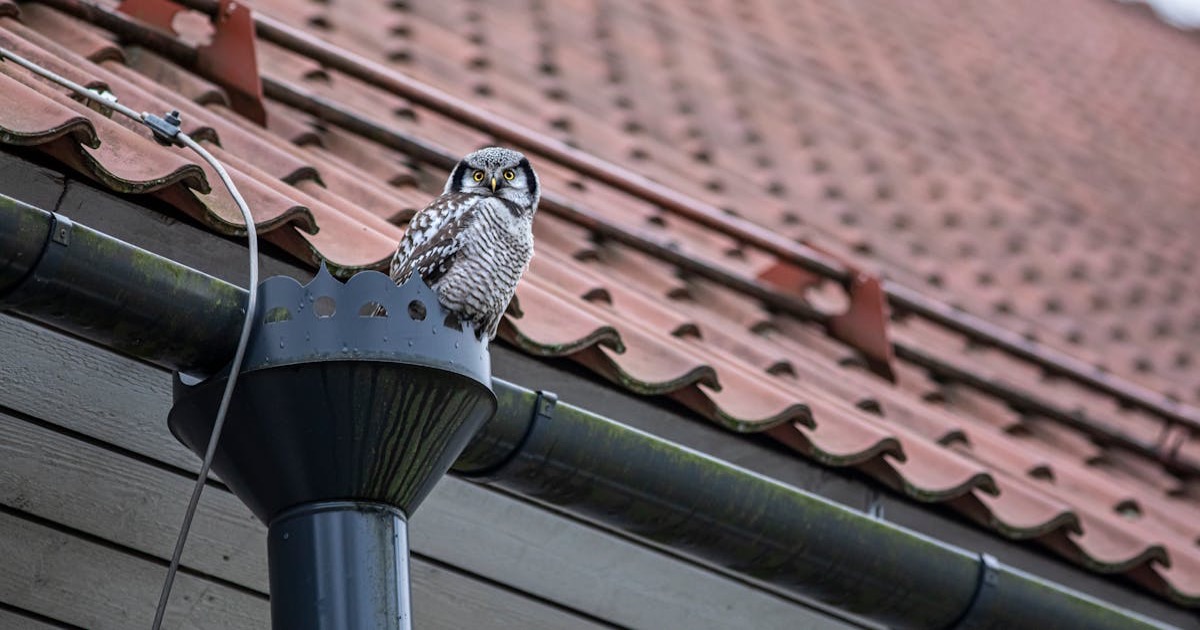
Gutter Cleaning: The Most Overlooked Home Maintenance Task That Could Cost You Thousands
Clogged gutters cause more damage to Canadian homes than most homeowners realize. From foundation cracks to ice dams, learn why gutter cleaning is the single most important maintenance task you're probably skipping - and what it's costing you.
How to Prevent Ice Dams and Dangerous Ice Buildup on Your Home
Ice dams and ice buildup cause thousands of dollars in damage to Okanagan homes every winter. Learn the science behind ice dams, compare de-icing products, understand your liability as a property owner, and discover prevention strategies that actually work.
The Ultimate Winter Home Maintenance Checklist for Okanagan Homeowners
A comprehensive 20-item winter home maintenance checklist built specifically for Okanagan homeowners. From pipe protection and heating system prep to snow removal planning and emergency readiness, this guide covers everything you need to winterize your home in Kelowna, West Kelowna, Vernon, Penticton, and beyond.