Rodent Control for Homeowners: Prevention, Detection & Removal Guide
Complete rodent control guide for homeowners. Learn signs of mice and rats, entry point exclusion, trap types, health risks, and when to call a pest professional.
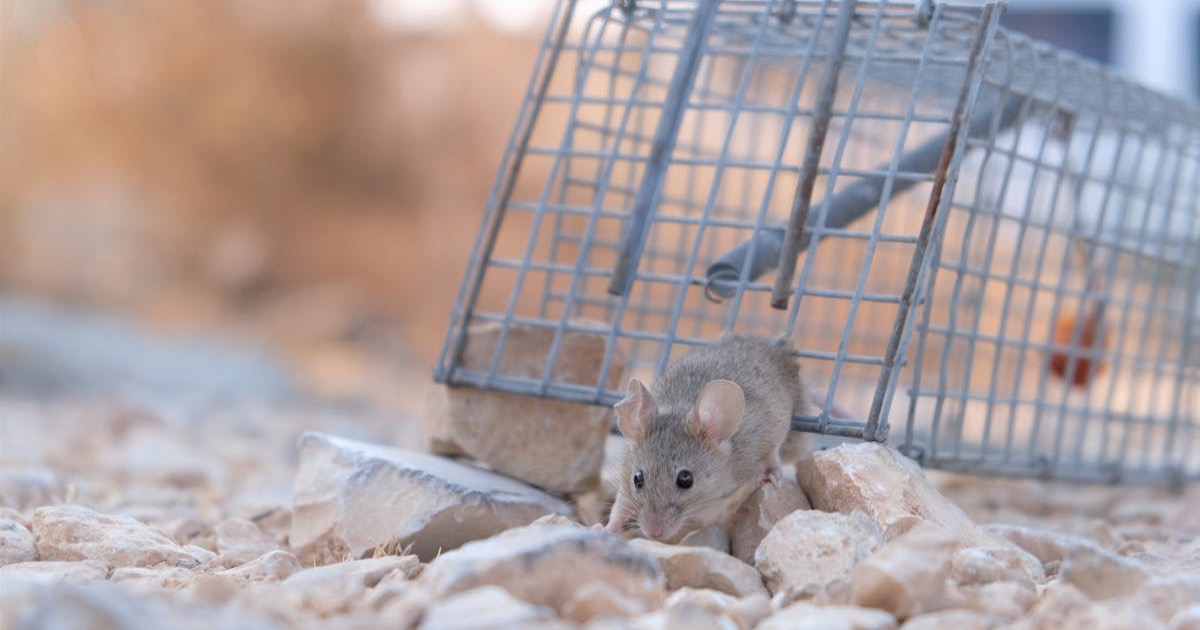
You hear it at 2 AM - a faint scratching inside the wall behind your headboard. Or maybe you open the drawer under the stove and find small dark droppings scattered across the bottom. Perhaps you notice a corner of a cereal box has been gnawed open, or there is a musty, ammonia-like odour in your garage that was not there before.
Rodents - primarily house mice and Norway rats - are among the most consequential pests that can invade your home. Unlike insects that are mostly a nuisance, rodents pose genuine structural, health, and safety risks. They gnaw through electrical wiring, contaminate food stores, carry diseases, and reproduce at rates that can turn a single mouse into a population of 50 within months.
In the Okanagan Valley, rodent pressure peaks every fall as dropping temperatures drive mice and rats to seek warmth and shelter indoors. But the reality is that rodent management is a year-round concern, and the best time to address it is before you hear that scratching in the wall.
Understanding Your Adversary
Before diving into control methods, it helps to understand the biology and behaviour of the rodents most commonly found in Okanagan homes.
House Mice (Mus musculus)
House mice are the most common rodent invaders in residential homes throughout Kelowna, West Kelowna, Penticton, Vernon, Lake Country, Peachland, and Summerland.
Physical characteristics: Small body (6-9cm), with a tail roughly equal to body length (7-10cm). Grey-brown fur on top, lighter underneath. Large ears relative to head size. Small, dark eyes. Body weight typically 12-30 grams.
Behaviour: Mice are curious and exploratory, which actually makes them easier to trap than rats. They tend to investigate new objects in their environment quickly. They are primarily nocturnal but will be active during the day if the population is large or food is scarce. Mice are excellent climbers and can jump up to 30cm vertically.
Reproduction: This is where mice become truly problematic. A female mouse reaches sexual maturity at 6 weeks and can produce 5-10 litters per year, with 5-6 pups per litter. Under ideal conditions (warmth, abundant food, no predation - exactly the conditions inside your home), a single breeding pair can theoretically produce over 5,000 descendants in a year.
Diet: Mice are omnivorous but prefer seeds, grains, and cereals. They eat approximately 3 grams of food per day and can survive without direct water access if their food has sufficient moisture content - meaning even a bone-dry pantry with cereal boxes can sustain a mouse population.
Range: Mice typically forage within a 3-10 metre radius of their nest. If you are seeing mice in your kitchen, the nest is likely within that room or an adjacent wall void.
Norway Rats (Rattus norvegicus)
Norway rats (also called brown rats or sewer rats) are less common than mice in Okanagan homes but are present, particularly in urban areas of Kelowna and Vernon and in homes near agricultural operations.
Physical characteristics: Much larger than mice - 20-25cm body length with a thick, scaly tail of similar length. Brown-grey fur with a lighter belly. Blunt nose, small ears relative to head size. Body weight 200-500 grams.
Behaviour: Unlike mice, rats are neophobic - suspicious of new objects and changes in their environment. This means they may avoid traps for days or even weeks after placement. They are strong swimmers, can gnaw through a remarkable range of materials (including some metals), and can climb rough vertical surfaces.
Reproduction: Slightly slower than mice but still prolific. A female rat produces 4-6 litters per year with 6-12 pups per litter, reaching sexual maturity at 8-12 weeks.
Diet: Rats are also omnivorous and require about 25 grams of food and 30ml of water daily. They are attracted to garbage, compost, pet food, fallen fruit, and bird seed.
Range: Rats forage further than mice, typically within a 30-50 metre radius of the nest. A rat seen in your yard may be nesting under your deck, in a nearby outbuilding, or in a neighbour's property.
In the BC Interior, including the Okanagan, deer mice are carriers of hantavirus - a potentially fatal respiratory illness transmitted through contact with infected rodent droppings, urine, or nesting materials. Never sweep or vacuum dried rodent droppings. Instead, wet them thoroughly with a bleach solution (1 part bleach to 10 parts water), let sit for 5 minutes, then wipe up with disposable towels while wearing gloves and an N95 mask.
Pest Control
Starting at $125/visit - included in your plan
Detecting a Rodent Problem: The Warning Signs
Early detection is critical because rodent populations grow exponentially. A small problem in October becomes a major infestation by January if left unchecked. Here are the signs to watch for, roughly in order from early indicators to advanced infestation:
Early Signs
Droppings: The most reliable early indicator. Mouse droppings are 3-6mm long, rod-shaped with pointed ends, and dark brown to black when fresh (they lighten and dry out over days). Rat droppings are 12-20mm long, capsule-shaped with blunt ends. Check under sinks, behind stoves and refrigerators, inside cabinets, along baseboards, and in utility areas.
Gnaw marks: Look for small, parallel tooth marks on food packaging, wood trim, plastic containers, and electrical wire insulation. Fresh gnaw marks are lighter in colour; older ones darken over time. Mouse gnaw marks are about 1-2mm wide; rat gnaw marks are 3-4mm wide and noticeably rougher.
Sounds: Scratching, scurrying, and gnawing sounds inside walls, ceilings, and floors, most noticeable at night when the house is quiet. Mice make light, rapid scratching sounds. Rats produce heavier thumping and scratching.
Moderate Signs
Rub marks (grease marks): Rodents follow the same paths repeatedly, and the oils in their fur leave dark, greasy smear marks along walls, baseboards, pipes, and beams. These marks accumulate over time and are a reliable indicator of established travel routes.
Nesting material: Shredded paper, fabric, insulation, cardboard, and plant material gathered into loose balls in sheltered areas. Common nesting sites include inside wall voids (accessible from behind appliances), under insulation in attics and crawl spaces, behind stored boxes, and inside upholstered furniture that is rarely moved.
Tracks and tail marks: In dusty areas (attics, crawl spaces, unfinished basements), you may see small footprints and tail drag marks. Sprinkle a light dusting of flour or talcum powder along suspected travel routes to confirm activity and identify pathways.
Urine odour: A persistent, stale, ammonia-like odour, particularly noticeable in enclosed spaces like cabinets, closets, and utility rooms. The smell intensifies with larger populations.
Advanced Infestation Signs
Daytime sightings: If you are seeing mice or rats during the day, the population is likely large enough that competition for food forces some individuals to forage outside their normal nocturnal schedule.
Pet behaviour changes: Dogs and cats may become fixated on certain walls, cabinets, or floor areas, pawing or staring at spots where rodents are active.
Structural damage: Holes gnawed through drywall, damaged air ducts, chewed wiring, and compromised insulation indicate a well-established and sizable population.
Dead rodents or odour: Finding dead rodents or smelling the distinctive sweet-sick odour of decomposition inside walls indicates an active population where some individuals are dying of natural causes or from exposure to rodenticide.
Entry Point Identification and Exclusion
Exclusion - sealing the entry points that allow rodents to enter your home - is the single most important element of rodent control. Without exclusion, any trapping or baiting program is temporary because new rodents from outdoor populations will simply re-enter.
Common Entry Points
Systematically inspect the following areas, remembering that mice need only 6mm and rats need only 12mm to enter:
Foundation level:
- Cracks in the foundation wall
- Gaps where the sill plate meets the foundation (one of the most common entry points)
- Utility penetrations (gas lines, water pipes, electrical conduits)
- Dryer vents, exhaust fan vents, and HVAC penetrations
- Gaps around basement windows and window wells
- Weep holes in brick veneer
Wall level:
- Gaps around exterior door frames and thresholds
- Missing or damaged door sweeps (especially garage doors - check the bottom seal across its entire width)
- Gaps where siding meets trim around windows and doors
- Holes where cables, pipes, or wires enter the building
- Damaged or missing vent screens
Roof level:
- Gaps at the roof-wall junction
- Damaged or missing soffit panels
- Gaps around plumbing vent stacks
- Damaged roof vents or ridge vents
- Gaps around chimney flashing
Conduct your exterior inspection on a bright day with a partner inside the house. Have the person inside go into the attic and other dark spaces to look for daylight coming through gaps while you mark the exterior locations. Any gap that lets light through is large enough for a mouse.
Exclusion Materials
Not all sealants are equal when it comes to rodent exclusion. Rodents can gnaw through many common building materials:
Effective materials:
- Steel wool combined with caulk for small gaps (steel wool alone falls out over time; caulk alone can be gnawed through)
- Copper mesh (Stuf-fit or similar) for larger gaps - rodents cannot gnaw through copper and it does not rust
- Sheet metal flashing (26-gauge or heavier) for larger openings and gnaw-vulnerable areas
- Hardware cloth (6mm mesh) for vent covers and larger openings
- Concrete or morite for foundation cracks
- Metal kick plates on the bottom of doors
Ineffective materials (rodents gnaw through these):
- Expanding foam alone
- Plastic mesh or screening
- Wood (rats can gnaw through softwood in hours)
- Rubber or vinyl weatherstripping alone
- Standard caulk without steel wool backing
Pest Control
Starting at $125/visit - included in your plan
Removal Methods: Traps, Baits, and Professional Options
Once entry points are sealed (or simultaneously), you need to address the rodents already inside. Here is a detailed look at the available methods:
Snap Traps
How they work: Spring-loaded bar delivers a lethal blow when the trigger is activated.
Pros: Quick kill (humane when properly set), no poison risk, allows you to confirm kills and monitor progress, reusable, inexpensive.
Cons: Requires proper placement and setting, may catch non-target animals if placed in open areas, need to be checked daily.
Best practices for snap traps:
- Place traps perpendicular to walls with the trigger end touching the baseboard - mice and rats travel along edges
- Use peanut butter as bait (press it into the trigger mechanism rather than placing a dollop on top)
- Set traps in pairs, facing opposite directions, every 2-3 metres along walls in active areas
- For mice, use standard-sized mouse traps. Do not use rat traps for mice - the trigger sensitivity is wrong
- For the first 2-3 days, bait traps but do not set them. This allows rodents (especially neophobic rats) to become comfortable feeding from the traps before they become lethal
- Place traps in areas where you have found droppings, gnaw marks, or rub marks
- Wear gloves when handling traps to minimize human scent transfer
- Check traps daily and rebait as needed
Electronic Traps
How they work: Battery-powered traps deliver a lethal electric shock when the rodent enters the chamber.
Pros: Quick, humane kill. Enclosed chamber means no visual contact with dead rodent. Indicator light shows when triggered. Easy to empty and reset.
Cons: More expensive than snap traps ($30-50 each), requires batteries, one kill per setting.
Best for: Homeowners who prefer not to handle traditional snap traps, and for areas where non-target animals (pets) might interact with exposed traps.
Live Traps
How they work: Cage or box traps capture the rodent alive for release elsewhere.
Pros: No killing involved.
Cons: Requires releasing the rodent far from your home (at least 3km or it will return), stress on the captured animal, must be checked frequently (every few hours) to avoid suffering, and most importantly - released mice and rats have very low survival rates in unfamiliar territory due to predation and competition. Many pest professionals and wildlife biologists consider live trapping less humane than a quick kill.
Rodenticide (Poison Baits)
How they work: Anticoagulant or acute toxicant baits consumed by rodents, causing death within 1-5 days depending on the formulation.
Pros: Can eliminate large populations, works in areas where trapping is impractical.
Cons: Significant risks that make professional application strongly advisable:
- Secondary poisoning risk to pets, children, and wildlife (owls, hawks, and other predators that eat poisoned rodents)
- Rodents may die inside wall voids, creating odour and fly problems that can last weeks
- Some rodent populations have developed resistance to first-generation anticoagulants
- Improper placement can lead to non-target exposure
- Tamper-resistant bait stations are required by regulation in most situations
If you have children, pets, or wildlife on your property (which includes virtually all Okanagan homes), we strongly recommend against DIY rodenticide use. The secondary poisoning risk to pets, raptors, and other wildlife is significant. Professional pest control technicians use tamper-resistant bait stations and placement strategies that minimize non-target risk.
Professional Rodent Control
Professional rodent control combines all of the above methods in an integrated approach:
- Inspection: Thorough inspection of the interior and exterior to identify species, population size, entry points, nesting sites, and food sources
- Exclusion: Sealing identified entry points with appropriate materials
- Population reduction: Strategic placement of traps and/or tamper-resistant bait stations based on activity patterns
- Monitoring: Follow-up visits to check stations, assess progress, and identify any new activity or entry points
- Sanitation guidance: Recommendations for reducing attractants and maintaining a rodent-resistant environment
Health Risks: Why Rodent Control Is Not Optional
Rodent infestations are not just unpleasant - they represent genuine health and safety hazards that make timely control essential.
Hantavirus
The BC Interior, including the Okanagan, is within the range of deer mice that can carry hantavirus. Hantavirus Pulmonary Syndrome (HPS) is transmitted by breathing in virus particles from dried rodent urine, droppings, or nesting materials. While rare, HPS has a fatality rate of approximately 36% in Canada. Cases have been documented in BC.
Other Diseases
Rodents and their parasites can transmit salmonella (through contaminated food), leptospirosis (through urine in water sources), rat-bite fever, lymphocytic choriomeningitis, and various parasites including fleas, ticks, and mites.
Allergies and Asthma
Rodent dander, urine proteins, and droppings are significant allergens. Studies have found that homes with rodent infestations have elevated allergen levels that can trigger and worsen asthma, particularly in children.
Fire Hazard
Rodent gnawing on electrical wiring is a documented cause of house fires. The Insurance Institute estimates that rodent damage to wiring is responsible for approximately 20-25% of fires of undetermined origin. Gnawed wires inside wall voids are particularly dangerous because the damage is invisible until a short circuit occurs.
Food Contamination
A single mouse produces approximately 50-75 droppings per day and urinates continuously as it travels. Everything a mouse walks across - countertops, dishes, food preparation surfaces, stored food - is potentially contaminated with pathogens.
Pest Control
Starting at $125/visit - included in your plan
Seasonal Rodent Patterns in the Okanagan
Understanding when and why rodents seek entry to your home helps you time your prevention efforts:
Spring (March-May): Rodent populations inside homes begin to stabilize or decline as some individuals move back outdoors for breeding. This is an excellent time to inspect for winter damage, seal entry points, and clean up nesting material and droppings. If you skipped fall exclusion, spring is your second chance before the next invasion cycle.
Summer (June-August): Outdoor rodent populations grow through the breeding season. Mice and rats are generally less of an indoor problem during summer, though they may enter through open garage doors and ground-level windows. Focus on outdoor sanitation: clean up fallen fruit, secure compost, eliminate harbourage areas near the foundation.
Fall (September-November): This is the critical window. As nighttime temperatures drop below 10C (typically mid-September in the Okanagan), mice and rats begin actively seeking warm shelter. The period from late September through November is when the majority of rodent entry occurs. This is when exterior exclusion work has the highest return on investment.
Winter (December-February): Rodents that made it inside in fall are now established and breeding. Indoor activity peaks during the coldest months. This is when homeowners most commonly notice signs - droppings, sounds, gnaw marks - because populations have grown to noticeable levels. Trapping and interior monitoring are the primary tools during winter, along with sealing any interior pathways between wall voids and living spaces.
The single most impactful thing you can do for rodent control is to complete a thorough exterior exclusion in September, before the fall invasion begins. Ninety minutes spent sealing gaps can prevent months of dealing with mice inside your walls.
Rodent-Proofing Your Home: A Room-by-Room Guide
Kitchen
- Store all food in glass, metal, or heavy plastic containers with tight lids
- Clean behind and beneath the stove, refrigerator, and dishwasher quarterly
- Seal the gap between the countertop and wall behind the backsplash
- Check under the sink for gaps around plumbing penetrations and seal with steel wool and caulk
- Keep the garbage bin sealed and take garbage out daily
Garage
- Install a rodent-proof seal on the bottom of the garage door (rubber seals with embedded metal strips)
- Store pet food, bird seed, and grass seed in metal bins with lids
- Elevate stored items off the floor on metal shelving
- Seal the gap between the garage wall and the house where they share a common wall
- Check the door between the garage and house for gaps around the frame and threshold
Attic
- Install hardware cloth over all attic vents and soffit vents
- Check where plumbing vent stacks penetrate the roof and seal gaps
- Inspect the roof-wall junction for gaps, particularly where roof changes direction
- Remove or reduce stored items that provide nesting material (cardboard boxes, old clothing, paper)
- Consider installing snap traps as ongoing monitors even if no current activity is detected
Crawl Space and Basement
- Seal all foundation cracks and gaps around utility penetrations
- Ensure crawl space vents are screened with hardware cloth
- Check the sill plate-to-foundation junction around the entire perimeter
- Address moisture issues (standing water, dampness) that attract rodents
- Install monitoring stations or traps along walls
Exterior
- Maintain a 30cm clear zone (no vegetation, mulch, or stored materials) along the foundation
- Trim tree branches that come within 2 metres of the roof
- Store firewood at least 6 metres from the house and elevated off the ground
- Remove or secure bird feeders (fallen seed is a major rodent attractant)
- Keep garbage and recycling bins sealed and clean
- Pick up fallen fruit from trees daily during harvest season
Professional Rodent Control with My Home Plan
Rodent control is most effective as an ongoing prevention program rather than a one-time reactive treatment. The reason is simple: your home exists within an environment that contains rodent populations. Even after a successful exclusion and elimination, new rodents from nearby populations will test your defences. Monitoring stations, regular inspections, and prompt attention to any new entry points keep your home protected over the long term.
My Home Plan's quarterly pest control service at $135 per visit includes comprehensive rodent management as part of its scope. Each visit includes exterior inspection for new entry points and signs of rodent activity, maintenance and monitoring of stations around the property, interior inspection of key areas (attic access, crawl space, utility areas, garage), targeted treatment based on current seasonal pressures, and a 30-day follow-up if any issues are identified between scheduled visits.
We serve homeowners throughout the Okanagan - Kelowna, West Kelowna, Penticton, Vernon, Lake Country, Peachland, and Summerland. Our technicians live in the valley and understand the specific rodent pressures that come with our climate, construction styles, and proximity to orchards and natural areas.
Ready to simplify your home maintenance?
Get all your home services in one monthly plan. Vetted contractors, guaranteed scheduling, predictable pricing.
A mouse might seem like a minor inconvenience, but the health risks, fire hazards, and structural damage that come with an unchecked rodent population are anything but minor. Whether you are dealing with an active infestation or want to prevent one before it starts, the combination of exclusion, sanitation, and professional monitoring is the approach that works.
Frequently Asked Questions
Why Homeowners Choose My Home Plan
Predictable Pricing
One monthly payment covers everything. No surprise quotes or hidden fees.
Vetted Contractors
Every contractor is background-checked, insured, and reviewed.
Zero Hassle
We handle scheduling, quality control, and follow-ups. You relax.
Related Articles
Top 10 Common Household Pests in the Okanagan: Identification & Prevention Guide
From carpenter ants tunnelling through structural beams to wasps nesting under your eaves, the Okanagan Valley is home to a wide range of household pests. Learn how to identify, prevent, and deal with the top 10 most common pests in the region.
How to Get Rid of Ants in Your Home: The Complete Homeowner's Guide
Dealing with ants in your kitchen, bathroom, or walls? This comprehensive guide covers everything from identifying the species to sealing entry points, choosing the right bait, and knowing when it is time to call a professional.
Is Quarterly Pest Control Worth It? A Complete Cost Analysis for Homeowners
Quarterly pest control costs around $540 per year, but is it actually worth it? We compare the real costs of preventive service against reactive treatment, infestation repairs, and health expenses to show the true return on investment.