Top 10 Common Household Pests in the Okanagan: Identification & Prevention Guide
Identify the most common household pests in the Okanagan Valley. Expert tips on seasonal activity, prevention, and when to call a professional in Kelowna & BC.
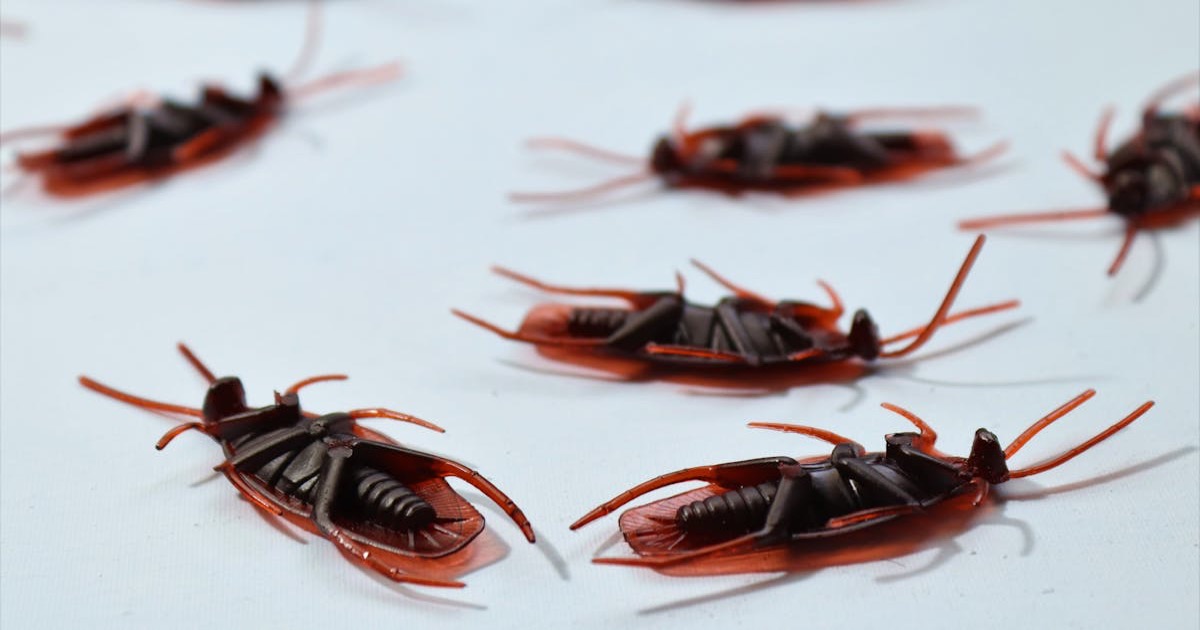
If you own a home anywhere in the Okanagan Valley - from Penticton to Vernon, Kelowna to Lake Country - you share your environment with a diverse population of insects and rodents that would love nothing more than to move in with you. The region's semi-arid climate, hot summers, and cold winters create a unique pest pressure cycle that differs significantly from coastal BC or the prairies.
Understanding which pests are most common in the Okanagan, when they are active, and how to prevent them is the first step toward protecting your home. This comprehensive guide covers the top 10 household pests you are most likely to encounter, with practical identification tips and prevention strategies for each one.
Why the Okanagan Has Unique Pest Challenges
The Okanagan Valley's geography and climate create conditions that favor a specific set of pests. Hot, dry summers push insects and rodents to seek water sources inside homes. Cold winters - often dropping well below -10C in Kelowna and Vernon - drive overwintering pests indoors. The region's orchards, vineyards, and proximity to lakes and forests provide abundant food and habitat that supports large pest populations nearby.
Homes in the Okanagan also tend to have specific construction features - crawl spaces, attached garages, wood siding, and large deck structures - that create easy entry points and harbourage areas for pests.
The Okanagan's pest calendar is predictable. By understanding seasonal patterns, you can take preventive action before infestations start rather than reacting after pests have already established themselves inside your home.
1. Carpenter Ants
Identification: Carpenter ants are the largest ants you will see in the Okanagan, ranging from 6mm to 13mm long. They are typically black, though some species have reddish-brown midsections. Unlike termites, carpenter ants do not eat wood - they excavate it to create nest galleries, leaving behind piles of fine sawdust called frass.
Seasonal Activity: Carpenter ants become active in April and May as temperatures rise above 10C. Swarmers (winged reproductive ants) emerge in late spring to establish new colonies. Activity continues through October.
Why They Are a Problem: Carpenter ants cause structural damage over time. A mature colony can contain 10,000 to 50,000 workers, and satellite colonies inside your home can go undetected for years while hollowing out structural timbers, window frames, and roof decking.
Prevention:
- Eliminate wood-to-soil contact around your foundation
- Store firewood at least 6 metres from your home and elevated off the ground
- Trim tree branches that touch or overhang your roof
- Fix leaky pipes, faucets, and roof areas immediately - carpenter ants are attracted to moisture-damaged wood
- Seal cracks and gaps around utility penetrations, windows, and door frames
2. Pavement Ants
Identification: Small (2.5-3mm), dark brown to black ants that create small mounds of displaced soil along sidewalks, driveways, patios, and foundation walls. They have two distinct nodes between the thorax and abdomen and parallel grooves on the head visible under magnification.
Seasonal Activity: Pavement ants are active from March through November in the Okanagan. They are the most common "kitchen ant" - the tiny ants you find trailing along countertops and into pantries.
Why They Are a Problem: While they do not cause structural damage, pavement ants contaminate food and are extremely persistent once they establish foraging trails into your home. A single colony can contain 3,000 to 5,000 workers, and they often establish multiple colonies around a single home.
Prevention:
- Seal all cracks in your foundation, especially where the foundation meets the siding
- Clean up food spills immediately and store food in sealed containers
- Caulk around window and door frames at ground level
- Keep vegetation trimmed back from the foundation to eliminate "bridges"
- Address moisture issues in crawl spaces and basements
3. Wasps and Hornets
Identification: The Okanagan is home to several wasp species, including yellowjackets, paper wasps, and bald-faced hornets. Yellowjackets are the most aggressive and commonly encountered - compact, bright yellow and black, about 12-16mm long. Paper wasps are slimmer with dangling legs in flight. Bald-faced hornets are large (up to 20mm), black and white, and build large enclosed paper nests.
Seasonal Activity: Queens emerge from overwintering in April and May to establish new nests. Colonies grow through summer and reach peak size (sometimes thousands of workers for yellowjackets) in August and September. This is when they become most aggressive, especially around outdoor food and drinks.
Why They Are a Problem: Beyond painful stings and potential allergic reactions, wasps build nests in wall voids, soffits, attics, and under decks. Yellowjackets also nest underground, creating hazards during yard work. Nests left untreated inside wall cavities can cause secondary problems including attracting other pests and moisture damage.
Never attempt to remove a wasp or hornet nest yourself if it is located inside a wall void, attic, or other enclosed space. Disturbing the nest can cause hundreds of agitated wasps to enter your living space through gaps in the structure. This is a job for a professional.
Prevention:
- Inspect eaves, soffits, and overhangs in early spring for small starter nests (golf-ball sized) and remove them before the colony grows
- Seal gaps around soffit vents, attic vents, and where siding meets trim
- Keep outdoor garbage bins sealed tightly
- Avoid leaving pet food, fallen fruit, or sugary drinks outdoors
- Install fine mesh screening over attic and soffit vents
Pest Control
Starting at $125/visit - included in your plan
4. House Mice
Identification: House mice are small (6-9cm body, plus 7-10cm tail), with grey-brown fur, large ears relative to body size, and small dark eyes. Their droppings are rod-shaped, about 3-6mm long, with pointed ends.
Seasonal Activity: Mice can be active year-round indoors, but the primary invasion season in the Okanagan is October through December as temperatures drop. They seek warmth, food, and shelter inside homes, garages, and outbuildings.
Why They Are a Problem: Mice contaminate food with droppings and urine, gnaw on electrical wiring (creating fire hazards), damage insulation, and can carry diseases including hantavirus - a particular concern in the BC Interior. A single pair of mice can produce 50 or more offspring in a year.
Prevention:
- Seal all gaps larger than 6mm (mice can squeeze through holes the diameter of a pencil) with steel wool and caulk
- Install door sweeps on all exterior doors, including the garage
- Store food in glass or metal containers
- Keep counters clean and sweep floors regularly
- Declutter storage areas, especially garages and basements
- Trim vegetation away from the foundation
5. Rats (Norway Rats)
Identification: Norway rats are significantly larger than mice - 20-25cm body length plus a thick, scaly tail of similar length. They are brown-grey with a blunt nose, small ears, and a heavier build. Their droppings are capsule-shaped, about 18-20mm long.
Seasonal Activity: Like mice, rats are most likely to enter homes in fall and winter. They are more commonly found in urban areas of Kelowna and Vernon than in rural settings, though they are present throughout the valley.
Why They Are a Problem: Rats cause severe structural damage by gnawing through wood, plastic, and even soft metals. They contaminate far more food than they consume, carry numerous diseases, and their burrowing can undermine foundations and damage underground utilities. They also reproduce rapidly, with a single female producing up to 60 offspring per year.
Prevention:
- Seal all exterior gaps larger than 12mm with metal flashing, hardware cloth, or concrete
- Secure garbage and compost bins with tight-fitting, heavy lids
- Remove fallen fruit from orchards and gardens promptly
- Eliminate water sources like dripping outdoor taps and birdbaths near the home
- Store pet food indoors in sealed containers
- Keep a clear zone of at least 30cm between landscaping materials and the foundation
6. Spiders (Including Black Widows)
Identification: The Okanagan hosts numerous spider species, but the ones most commonly found in homes include house spiders, hobo spiders, and notably, western black widow spiders. Black widows are glossy black with the distinctive red hourglass marking on the underside of the abdomen. They prefer dark, undisturbed areas at ground level.
Seasonal Activity: Spiders are active indoors year-round but are most noticeable in fall when males wander looking for mates. Black widows are most active from May through October outdoors, and year-round in heated structures like garages and crawl spaces.
Why They Are a Problem: Most spiders in the Okanagan are harmless and even beneficial, eating other insects. However, black widow bites are medically significant and can cause severe pain, muscle cramps, and systemic symptoms requiring medical attention. Large spider populations also indicate underlying insect prey populations that should be addressed.
Prevention:
- Reduce exterior lighting or switch to yellow/sodium vapour bulbs that attract fewer insects (which attract spiders)
- Remove web buildup regularly from eaves, corners, and window frames
- Wear gloves when handling firewood, stored boxes, or working in crawl spaces
- Seal cracks around foundations and windows
- Reduce ground-level clutter around the home's perimeter
Pest Control
Starting at $125/visit - included in your plan
7. Boxelder Bugs
Identification: Boxelder bugs are flat, oval-shaped insects about 12mm long, black with distinctive red-orange lines on their wings and abdomen. They are often found in large clusters on south-facing walls and windows in fall.
Seasonal Activity: Boxelder bugs emerge in spring and feed on maple and boxelder trees throughout summer. In September and October, they congregate on warm, sun-facing surfaces of buildings seeking overwintering sites. Once inside wall voids and attics, they remain dormant until spring warmth draws them out - often into your living space.
Why They Are a Problem: Boxelder bugs do not bite, sting, or cause structural damage. However, they invade homes in enormous numbers (sometimes thousands), stain surfaces with their excrement, and produce a foul odour when crushed. Their sheer volume makes them one of the most complained-about pests in the Okanagan.
Prevention:
- Seal all cracks around windows, doors, soffits, and utility penetrations before September
- Install or repair window screens and ensure weatherstripping is intact
- Remove boxelder and female maple trees near the home if practical
- Use a vacuum to remove clusters rather than crushing them
- Consider professional exterior barrier treatment in early September before migration begins
8. Earwigs
Identification: Earwigs are elongated, dark brown insects (12-25mm) with distinctive pincer-like cerci at the rear of the abdomen. Despite the common myth, they do not crawl into ears. They are nocturnal and hide during the day in dark, moist areas.
Seasonal Activity: Earwigs are most active from May through September in the Okanagan. They thrive in the irrigated landscapes common around Okanagan homes, where drip irrigation and mulch beds create ideal habitat.
Why They Are a Problem: Earwigs occasionally invade homes in large numbers, particularly during hot, dry periods when they seek moisture. They can damage seedlings and flowers in gardens and are generally unwelcome indoors, though they are not harmful to humans or structures.
Prevention:
- Reduce mulch depth near the foundation to 5cm or less
- Create a dry border (gravel or bare soil) immediately adjacent to the foundation
- Fix leaky outdoor taps and eliminate standing water near the home
- Move landscape lighting away from doorways to avoid attracting earwigs to entry points
- Seal gaps under doors and around basement windows
9. Silverfish
Identification: Silverfish are small (12-19mm), wingless insects with a distinctive carrot-shaped body covered in silvery scales. They move in a rapid, fish-like wiggling motion and have three long tail-like appendages at the rear.
Seasonal Activity: Silverfish are active year-round indoors, preferring humid environments between 70-80% relative humidity. In the Okanagan, they are most commonly found in basements, bathrooms, laundry rooms, and under kitchen sinks.
Why They Are a Problem: Silverfish feed on starchy materials including paper, wallpaper paste, book bindings, photos, clothing (especially natural fibres), and pantry items like flour and cereal. They can cause significant damage to stored books, documents, and clothing over time.
Prevention:
- Use dehumidifiers in basements and crawl spaces to reduce humidity below 60%
- Fix all plumbing leaks and ensure adequate ventilation in bathrooms
- Store important documents and photos in sealed plastic containers
- Vacuum regularly, especially in closets and storage areas
- Caulk around bathroom and kitchen plumbing penetrations
10. Cluster Flies
Identification: Cluster flies are slightly larger than common house flies (8-10mm), with a dark grey body covered in short golden hairs. They fly sluggishly and cluster together in warm, sheltered spaces. When crushed, they have a distinctive buckwheat honey odour.
Seasonal Activity: Cluster flies enter homes in fall (September-October) to overwinter, often in attic spaces, wall voids, and around south-facing windows. On warm winter days, they emerge into living spaces in disoriented groups.
Why They Are a Problem: Like boxelder bugs, cluster flies are a nuisance pest that invades in large numbers. They do not bite or cause structural damage but are unpleasant in large quantities and can stain curtains and walls with their excrement. They return to the same structures year after year.
Prevention:
- Seal all entry points around windows, soffits, and roof edges before September
- Ensure attic vents are screened with fine mesh
- Consider professional exterior treatment in late August or early September
- Use a vacuum rather than chemical sprays for flies that emerge indoors during winter
Pest Control
Starting at $125/visit - included in your plan
Seasonal Pest Calendar for the Okanagan
Understanding the seasonal cycle helps you prepare in advance:
Spring (March-May):
- Carpenter ants and pavement ants emerge and begin foraging
- Overwintering pests (boxelder bugs, cluster flies) emerge inside homes
- Wasp queens start building new nests
- Spiders become more active
Summer (June-August):
- Wasp colonies reach peak size - highest sting risk
- Earwig populations peak
- Ant activity at its highest
- Spider activity increases, especially outdoors
Fall (September-November):
- Mice and rats begin seeking indoor shelter
- Boxelder bugs and cluster flies seek overwintering sites on south-facing walls
- Wasp colonies decline but yellowjackets become aggressive around food
- Last chance for exterior barrier treatments before winter
Winter (December-February):
- Rodent activity is the primary indoor concern
- Overwintering insects may emerge on warm days
- Silverfish and spiders remain active in heated areas
- Critical time to inspect for and seal entry points
DIY vs. Professional Pest Control: When to Call In Help
Some pest situations are manageable with DIY methods. Others require professional intervention to resolve safely and effectively.
DIY is appropriate when:
- You spot a few ants or earwigs and can identify and seal the entry point
- A small, accessible paper wasp nest (fewer than a dozen wasps) is on an open eave
- You find an occasional spider and can reduce habitat around your home
- You catch early signs of mice and can set traps in accessible areas
Call a professional when:
- You find carpenter ant frass or suspect structural ant nesting
- Wasp nests are in wall voids, attics, or other enclosed spaces
- You see signs of rats (larger droppings, gnaw marks, burrows)
- You encounter black widow spiders in living spaces
- Large numbers of any pest appear repeatedly despite your efforts
- You want to prevent infestations proactively rather than react to them
Professional quarterly pest control is the most effective approach for Okanagan homes because it addresses each seasonal pest pressure before it becomes an infestation. At $135 per visit, it is significantly less expensive than dealing with the damage and health risks of established pest problems.
Protect Your Okanagan Home Year-Round
The Okanagan's unique climate and landscape mean that pest pressure is a year-round reality for homeowners. The good news is that the vast majority of infestations are preventable with a combination of good maintenance practices and regular professional treatment.
The key principles apply across all pests: seal entry points, eliminate food and water sources, reduce harbourage areas around your home's perimeter, and address problems early before small issues become large infestations.
My Home Plan's quarterly pest control service is designed specifically for Okanagan homes. At $135 per visit, each service includes comprehensive interior and exterior treatment, entry point identification, targeted pest treatment based on seasonal activity, monitoring stations, and a 30-day follow-up guarantee. Our technicians know the local pest pressures in Kelowna, West Kelowna, Penticton, Vernon, Lake Country, Peachland, and Summerland because they live and work here.
Ready to simplify your home maintenance?
Get all your home services in one monthly plan. Vetted contractors, guaranteed scheduling, predictable pricing.
Do not wait until pests have established themselves inside your home. The most effective pest management is preventive, and a quarterly schedule ensures your home is protected through every season the Okanagan throws at you.
Frequently Asked Questions
Why Homeowners Choose My Home Plan
Predictable Pricing
One monthly payment covers everything. No surprise quotes or hidden fees.
Vetted Contractors
Every contractor is background-checked, insured, and reviewed.
Zero Hassle
We handle scheduling, quality control, and follow-ups. You relax.
Related Articles
How to Get Rid of Ants in Your Home: The Complete Homeowner's Guide
Dealing with ants in your kitchen, bathroom, or walls? This comprehensive guide covers everything from identifying the species to sealing entry points, choosing the right bait, and knowing when it is time to call a professional.
Is Quarterly Pest Control Worth It? A Complete Cost Analysis for Homeowners
Quarterly pest control costs around $540 per year, but is it actually worth it? We compare the real costs of preventive service against reactive treatment, infestation repairs, and health expenses to show the true return on investment.
Rodent Control for Homeowners: Prevention, Detection & Removal Guide
Rodents are one of the most damaging and health-threatening pests that can invade your home. This guide covers how to detect the early signs, seal entry points, choose the right removal method, and prevent rodents from returning.