How Property Managers Can Streamline Maintenance Across Multiple Properties
Learn how property managers can streamline maintenance across multiple properties. Centralized scheduling, vendor management, and cost optimization strategies.
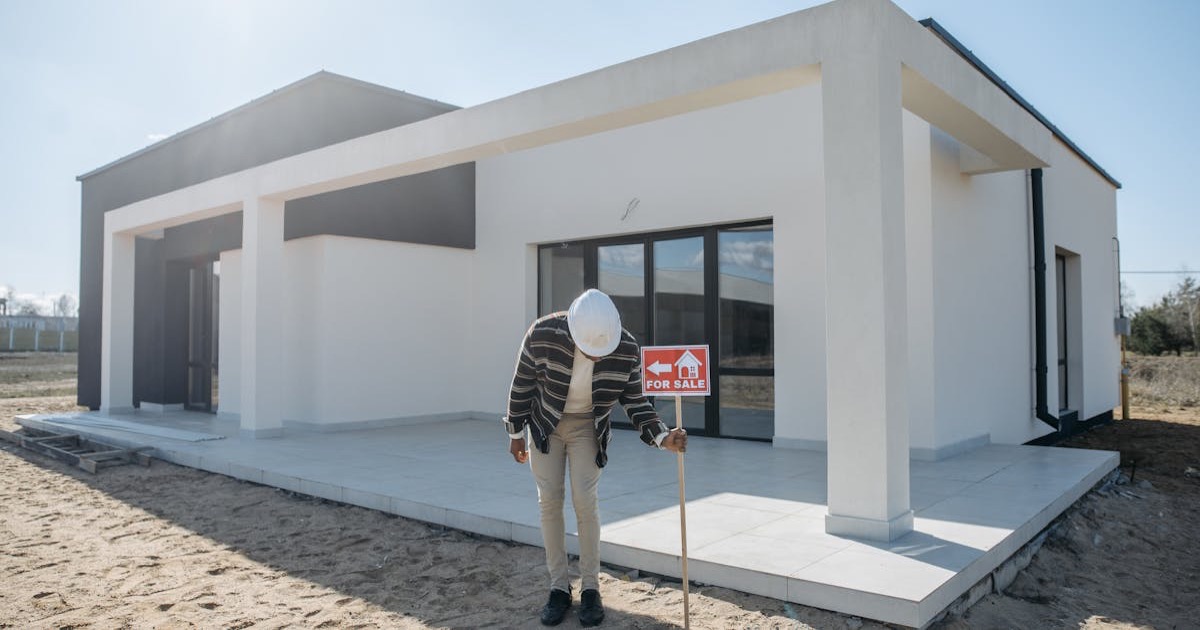
If you manage more than a handful of properties, you already know the truth that nobody talks about at industry conferences: maintenance management is eating your business alive.
Not because any single property is hard to maintain. But because the complexity multiplies with every property you add to your portfolio. More vendors to manage. More invoices to process. More tenant complaints about the lawn crew that did not show up. More emergency calls at 2 AM about burst pipes and broken furnaces. More time spent coordinating, chasing, and troubleshooting instead of growing your business.
The property managers who scale successfully are the ones who figure out how to systematize maintenance. They stop treating each property as an isolated operation and start treating their entire portfolio as a single system with consistent processes, consolidated vendors, and centralized oversight.
The Real Cost of Fragmented Maintenance
Most property management companies grow organically. You add properties one at a time, and each comes with its own existing vendors, maintenance quirks, and established routines. Over time, this creates a patchwork of disconnected maintenance operations.
The Hidden Costs
Administrative overhead. Every vendor relationship requires onboarding, insurance verification, contract negotiation, scheduling, quality monitoring, invoicing, and payment processing. If you have 10 properties with 5 vendor categories each, you could be managing 50 separate vendor relationships. That is not property management - that is vendor management.
Inconsistent quality. Different vendors deliver different standards. The landscaping at your premium properties looks great, but the budget crew handling your other portfolio is cutting corners. Tenants notice. Owners notice.
No leverage on pricing. When each property negotiates independently, you lose the ability to leverage your total volume. A property manager with 200 units across 15 properties has significant purchasing power - but only if those units are consolidated under a single contract.
Emergency response gaps. When a pipe bursts on a Saturday night, you need someone there fast. But if your relationship with the plumber is casual - a few calls a year, no service agreement - you are competing with every other customer for emergency response.
Maintenance-related issues account for more than 50 percent of tenant complaints in multi-family properties. How you handle maintenance directly impacts tenant retention, which is one of the most significant cost drivers in property management.
Centralized vs. Decentralized Models
The fundamental strategic decision in portfolio maintenance is whether to centralize or decentralize your operations.
The Decentralized Model
Each property operates semi-independently with its own maintenance systems and vendor relationships. This works well for geographically dispersed portfolios and gives site managers autonomy. However, it eliminates volume leverage, creates inconsistent quality, duplicates administrative effort, and makes benchmarking difficult.
The Centralized Model
Maintenance is coordinated from a central point - either an internal team or an external platform. Vendor contracts, scheduling, quality standards, and budgeting are managed at the portfolio level. This delivers volume pricing, consistent standards, reduced overhead, and easier performance tracking. The tradeoff is that it can be slower to respond to site-specific nuances.
The Hybrid Approach
Most successful property management companies land on a hybrid. Routine, predictable tasks (landscaping, snow removal, gutter cleaning, common area cleaning) are centralized under portfolio-wide contracts. Emergency and specialized maintenance (plumbing repairs, electrical work, elevator service) stays decentralized with preferred local vendors who have specific technical expertise.
Start your centralization effort with the most standardized service categories - landscaping, snow removal, and cleaning. The work is similar regardless of the building, and these categories offer the most significant volume discounts.
Vendor Consolidation: The Biggest Lever You Have
Of all the strategies available, vendor consolidation delivers the most impact. Reducing the number of vendors while increasing volume to each remaining vendor creates benefits on multiple fronts.
How It Works
Instead of hiring separate landscapers, snow removal companies, gutter cleaners, and pressure washing crews for each property, you work with a single provider covering multiple service categories across multiple properties. One point of contact, one contract, one invoice, one quality standard.
The Volume Pricing Effect
A provider servicing 50 units across your portfolio offers better per-unit pricing than the same provider servicing 10 units at a single property. At 100 units, pricing improves further. At 200 units, you are in a fundamentally different tier.
This is not about squeezing vendor margins. It is about real efficiencies from density and scale. When a maintenance crew is already at Property A and Property B is three blocks away, the travel and mobilization cost for servicing both is dramatically lower than servicing them independently. Those savings get passed through as volume discounts.
For property managers in concentrated markets like the Okanagan - where many properties may be within a few kilometers of each other - the density effect is particularly powerful.
Beyond Price
Single point of accountability. No more finger-pointing between vendors. No more gaps where one vendor thought the other was handling it.
Consistent reporting. Standardized reporting on service completion, costs, and issues across your entire portfolio. Invaluable for budgeting and owner reporting.
Simplified billing. One consolidated invoice broken down by property instead of dozens of separate invoices from dozens of vendors.
Relationship depth. Significant volume creates a strategic relationship where the provider invests in understanding your properties, your standards, and your business.
Portfolio Maintenance, Simplified
One platform for all your properties. Consolidated billing, volume pricing, vetted contractors. Built for property managers.
Building a Preventive Maintenance Program
The most expensive maintenance is reactive maintenance - the emergency repair at the worst possible time, with the most expensive service call. Every dollar invested in preventive maintenance reduces your exposure to reactive emergencies.
The 80/20 Rule
In a well-run program, roughly 80 percent of maintenance activity should be planned and 20 percent reactive. Most property management companies operate closer to 50/50, spending far more on reactive maintenance than necessary.
Portfolio-Wide Maintenance Calendar
A maintenance calendar should cover every property with standardized seasonal tasks:
Monthly: Common area cleaning and inspection, exterior grounds maintenance, lighting inspection, fire exit checks.
Quarterly: HVAC filter replacement, pest control, plumbing inspection, parking area sweeping.
Semi-Annual: Gutter cleaning, exterior window cleaning, landscaping seasonal transition, irrigation startup and winterization, building envelope inspection.
Annual: Roof inspection, fire safety certification, elevator inspection, boiler servicing, exterior pressure washing, parkade inspection.
Tracking and Accountability
A maintenance calendar only works if tasks get completed on schedule. Require service confirmation with photographic proof, track actual vs scheduled completion dates, collect issue reports from maintenance crews during routine service, and monitor actual costs against budget by property and category.
Properties with consistent preventive maintenance programs typically experience 30 to 40 percent fewer emergency maintenance calls. This translates directly to lower costs, fewer tenant complaints, and less after-hours disruption for your team.
Cost Optimization Strategies
Beyond vendor consolidation, several strategies help optimize costs across a portfolio.
Competitive Benchmarking
Regularly compare your per-unit maintenance costs against industry benchmarks and your own historical data. If one property is consistently higher in a specific category, investigate. It may indicate a building-specific issue, an underperforming vendor, or scope creep.
Contract Structure
Annual contracts are more cost-effective than month-to-month arrangements. Portfolio-wide contracts covering multiple properties deliver the best pricing. Performance-based terms tying payment to quality metrics ensure cost optimization does not sacrifice service quality.
Strategic Timing
Off-season work is cheaper - exterior painting in May costs less than in August. Batching similar work across properties reduces mobilization costs. Early booking for seasonal services locks in better rates.
Scope Optimization
Review the scope at each property periodically. Is the landscaping scope matched to the property class? Are cleaning frequencies aligned with actual occupancy? Are there services being provided that nobody is requesting or noticing? This is not about cutting corners. It is about matching maintenance investment to the value it delivers.
When presenting maintenance budgets to property owners, frame maintenance as property value protection. A well-maintained building commands higher rents, lower vacancy rates, and better resale values. Maintenance is not an expense - it is an investment in asset performance.
Tenant and Owner Communication
Maintenance is one of the primary touchpoints between your company and both tenants and owners. Communication quality directly impacts satisfaction and retention - and poor maintenance communication is one of the top reasons tenants cite when choosing not to renew a lease.
Tenant Best Practices
Inform tenants before scheduled maintenance with specific dates, times, access requirements, and any impacts such as noise, parking restrictions, or water shutoffs. Give at least 48 hours notice for routine work and as much notice as possible for major projects. Provide status updates when tenants submit maintenance requests - even a simple "your request has been received and is scheduled for Thursday" reduces anxiety and follow-up calls. Confirm when work is complete, especially if the tenant was not home during service. Periodically collect feedback on maintenance quality and responsiveness through brief surveys. This data helps you evaluate vendors and identify properties that need attention.
Owner Best Practices
Provide monthly or quarterly maintenance reports showing work completed, costs incurred, and issues identified. Proactive reporting builds trust and reduces surprise questions at review meetings. Communicate how actual spending tracks against budget, highlighting variances and explaining the reasons. When inspections identify upcoming capital needs - a roof approaching end of life, an HVAC system showing signs of failure - communicate findings early so owners can plan financially rather than reacting to emergencies. Frame maintenance investment in terms of property value protection: a well-maintained building commands higher rents, lower vacancy rates, and better resale values.
Scaling Your Operations
Property management companies hit maintenance scaling challenges at predictable portfolio sizes:
10-20 properties: You can manage vendors personally or with one administrative support person. Informal systems work, but cracks are starting to show - missed service calls, inconsistent vendor quality, invoices piling up.
20-50 properties: You need dedicated maintenance coordination, whether that is an internal hire, a virtual assistant, or an external platform. Vendor consolidation becomes critical at this stage because the administrative burden of managing individual vendor relationships across 20+ properties is consuming too much of your team's productive time.
50-100 properties: You need systematic maintenance management - a combination of technology, consolidated vendors, and standardized processes across the portfolio. This is where a maintenance platform partner delivers the most value, because building equivalent internal capability requires significant investment in people, training, and systems.
100+ properties: Maintenance becomes a distinct business function with its own staff, budget, and performance metrics. Strategic vendor relationships and portfolio-wide contracts are essential. The companies at this scale that run maintenance most efficiently have typically consolidated to very few providers and invested heavily in data-driven performance management.
At every stage, you face a build-or-buy decision. Building internally gives maximum control but requires significant investment. Partnering with a maintenance platform reduces your investment and provides the coordination, vendor network, and systems as a service. Many property managers find the hybrid approach works best - partnering with a platform for routine and seasonal services while maintaining direct relationships with specialized trades.
Portfolio Maintenance, Simplified
One platform for all your properties. Consolidated billing, volume pricing, vetted contractors. Built for property managers.
Key Takeaways
- Fragmented maintenance operations with dozens of independent vendors create hidden costs in administration, inconsistent quality, lost pricing leverage, and emergency response gaps
- Centralize routine maintenance categories under portfolio-wide contracts while maintaining flexibility for specialized trades
- Vendor consolidation is the single most impactful strategy - it delivers volume pricing, simplified billing, consistent quality, and single-point accountability
- Shift your maintenance ratio toward 80 percent planned and 20 percent reactive to reduce emergency costs and improve tenant satisfaction
- Communicate proactively with tenants and owners about maintenance activities, costs, and capital planning needs
- Match your maintenance management approach to your portfolio size - what works for 10 properties does not work for 50
Frequently Asked Questions
Why Homeowners Choose My Home Plan
Predictable Pricing
One monthly payment covers everything. No surprise quotes or hidden fees.
Vetted Contractors
Every contractor is background-checked, insured, and reviewed.
Zero Hassle
We handle scheduling, quality control, and follow-ups. You relax.
Related Articles

Choosing a Maintenance Provider for Your Strata: The Complete Evaluation Checklist
Choosing the wrong maintenance provider costs strata corporations more than just money - it costs time, trust, and building condition. This checklist covers every factor a strata council should evaluate before signing a maintenance contract, from insurance and references to SLAs and transition planning.

Strata Maintenance Budget Planning: A Practical Guide for Councils
A strata maintenance budget that is too lean leads to deferred maintenance and special levies. One that is bloated wastes owners' money. This guide walks strata councils through the practical steps of building a maintenance budget that protects the building without overspending.
Strata Maintenance Responsibilities in BC: What Your Council Must Know
Strata councils in British Columbia carry significant legal obligations for building maintenance. This guide breaks down what the Strata Property Act requires, how common and limited common property maintenance differs, and how councils can protect their corporations from costly liability.