The Complete Guide to Pressure Washing Your Home in the Okanagan
Everything you need to know about pressure washing your Okanagan home. PSI guide by surface, cost breakdown, DIY vs pro comparison, and seasonal timing tips.

Every Okanagan home fights the same battle. Pine pollen coats everything yellow-green in spring. Summer dust from our dry climate settles on every surface. Fall brings leaf stains and mud. Winter leaves behind salt residue, sand, and the grime of months of wet weather.
Pressure washing is the reset button. It strips away a year's worth of accumulated grime and restores surfaces to their original appearance - often in a single afternoon. But like any powerful tool, pressure washing can cause serious damage when done incorrectly.
This guide covers everything Okanagan homeowners need to know: which surfaces to wash and which to avoid, the correct PSI settings for every material, honest cost comparisons between DIY and professional service, and the specific timing and techniques that work best in our climate.
What You Should Pressure Wash (And What You Shouldn't)
Not every surface on your property is a candidate for pressure washing. Some materials thrive under high-pressure cleaning. Others will be damaged or destroyed by it. Here's the breakdown.
Surfaces That Benefit From Pressure Washing
Concrete driveways and walkways are the ideal pressure washing surface. Concrete is extremely durable and can handle high PSI without damage. Over time, Okanagan driveways accumulate oil stains, tire marks, algae growth (especially on north-facing sections), and ground-in dirt that normal hosing can't touch. Pressure washing transforms a gray, stained driveway back to its original appearance.
Concrete and paver patios respond just as well as driveways. If you have interlocking pavers, pressure washing removes the dirt and organic growth that accumulates between the joints. Note that you'll likely need to re-sand the joints after washing, as the high pressure can displace polymeric sand.
Vinyl and aluminum siding can be pressure washed, but with important caveats (covered in the PSI section below). The goal with siding is to remove surface grime, pollen, and mildew without driving water behind the panels or cracking them with excessive pressure.
Garage floors accumulate oil, tire rubber, salt residue, and general grime. Pressure washing with a degreasing detergent restores them effectively.
Fences - both wood and vinyl - benefit from annual washing. Wood fences in the Okanagan develop algae and mildew on their north-facing surfaces. Vinyl fences collect dust and pollen. Both clean up well with appropriate pressure settings.
Composite and wood decks can be pressure washed, but require careful technique and reduced pressure. This is one of the most commonly damaged surfaces in DIY pressure washing.
Start every pressure washing session with the least aggressive approach and increase pressure gradually. It's much easier to make a second pass at higher pressure than to repair a surface you've damaged on the first pass.
Surfaces to Avoid or Use Extreme Caution
Stucco is common on Okanagan homes, especially in newer developments. While light pressure washing can clean stucco, the material is brittle and the textured surface can chip, crack, or lose its finish under too much pressure. Stucco is generally better served by soft washing (low pressure with cleaning solutions).
Painted wood surfaces like trim, doors, and window frames can have their paint blasted off by pressure washing. If the paint is in good condition, very low pressure or soft washing is appropriate. If the paint is already peeling, pressure washing will accelerate the problem dramatically.
Windows should never be directly targeted with high-pressure water. The pressure can crack glass, destroy window seals (causing foggy double-pane windows), and force water into the wall cavity around the frame. Use a gentle rinse around windows, never a direct spray.
Roofing materials - asphalt shingles, cedar shakes, and metal roofing - should not be pressure washed. High pressure strips the protective granules from asphalt shingles, gouges cedar, and can dent thin metal panels. Roof cleaning requires soft washing by a specialist.
Electrical fixtures, outdoor outlets, and light fixtures need to be avoided or covered during pressure washing. Water driven into electrical components is a shock hazard and can cause short circuits.
Never pressure wash asphalt shingles. The high pressure strips away the protective granule layer, dramatically shortening the lifespan of your roof. If your roof needs cleaning (moss, algae, black streaks), use a soft wash service or chemical treatment specifically designed for roofing.
Pressure Washing
Starting at $285/visit - included in your plan
PSI Guide: The Right Pressure for Every Surface
PSI (pounds per square inch) is the measure of water pressure your machine delivers. Using the wrong PSI is the number one cause of pressure washing damage. Here's a reference guide for common Okanagan home surfaces.
Low Pressure: 500-1,200 PSI (Soft Wash Range)
- Painted wood siding and trim: 500 to 800 PSI with a wide-angle (40 or 65 degree) nozzle
- Stucco: 800 to 1,200 PSI with a 40-degree or wider nozzle, held at least 24 inches from the surface
- Outdoor furniture (wood or wicker): 500 to 800 PSI
- Vehicle washing: 800 to 1,200 PSI
Medium Pressure: 1,200-2,000 PSI
- Vinyl siding: 1,200 to 1,500 PSI with a 25 or 40-degree nozzle. Always spray at a slight downward angle to avoid driving water up behind the panels.
- Aluminum siding: 1,200 to 1,500 PSI
- Wood decks (softwood like cedar or pine): 1,000 to 1,500 PSI with a 40-degree nozzle, maintaining at least 12 inches from the surface. Follow the grain direction.
- Composite decking (Trex, TimberTech, etc.): 1,200 to 1,500 PSI maximum. Check manufacturer recommendations - some brands specify maximum pressure levels.
- Wood fences: 1,200 to 1,500 PSI
High Pressure: 2,000-3,000 PSI
- Concrete driveways and walkways: 2,500 to 3,000 PSI with a 15 or 25-degree nozzle. Use a surface cleaner attachment for the most even results.
- Concrete patios: 2,500 to 3,000 PSI
- Garage floors: 2,500 to 3,000 PSI, with degreasing detergent for oil stains
- Brick and stone (unsealed): 2,000 to 2,500 PSI
- Interlocking pavers: 2,000 to 2,500 PSI
Maximum Pressure: 3,000-4,000 PSI
- Heavy-duty concrete cleaning (commercial-grade staining, deep oil penetration): 3,000 to 4,000 PSI
- Graffiti removal: 3,000+ PSI, often with chemical strippers
- Rust stain removal on concrete: 3,000+ PSI with specialized detergent
A surface cleaner attachment - the round disc with spinning nozzles underneath - is the single best investment for DIY concrete washing. It provides even, streak-free coverage at a fraction of the time it takes with a standard wand. Professional crews use these on every concrete job.
Nozzle Selection Quick Reference
Pressure washer nozzles are color-coded by their spray angle:
- Red (0 degrees): Pinpoint stream. Extremely aggressive. Used for specific stain removal only. Will damage most surfaces instantly.
- Yellow (15 degrees): Narrow fan. Good for tough stains on concrete. Too aggressive for siding, decks, and most wood.
- Green (25 degrees): Medium fan. The most versatile nozzle. Good for general cleaning of hard surfaces.
- White (40 degrees): Wide fan. Best for siding, fences, decks, and any surface that needs a gentler approach.
- Black (65 degrees): Very wide fan, low pressure. Used for applying detergent and rinsing delicate surfaces.
A good rule of thumb: start with a wider nozzle than you think you need, test on an inconspicuous area, and step down to a narrower nozzle only if the wider one isn't effective.
Pressure Washing
Starting at $285/visit - included in your plan
DIY vs. Professional: An Honest Comparison
Both approaches have legitimate pros and cons. Here's a straightforward comparison to help you decide.
The Case for DIY
Cost per use is lower if you already own a capable machine. A mid-range consumer pressure washer (2,000 to 3,000 PSI electric or gas) costs $300 to $600. If you use it several times per year across multiple surfaces, the per-use cost drops quickly.
You control the schedule. No waiting for appointments, no coordinating with service providers. You can wash on any dry day that works for you.
Small jobs are easy. Cleaning a single patio section, washing lawn furniture, or rinsing off a deck is straightforward and doesn't justify a service call.
The Case for Professional Service
Equipment quality is dramatically different. Professional-grade machines deliver 3,000 to 4,000 PSI with 4+ gallons per minute flow rate. Consumer machines typically deliver 1,800 to 3,000 PSI with 1.5 to 2.5 GPM. The combination of higher PSI and higher flow rate means professional equipment cleans 3 to 5 times faster and more thoroughly.
Surface expertise prevents damage. Professionals know the correct PSI, nozzle, distance, and technique for every surface material. They know that vinyl siding needs a downward spray angle, that wood decks require following the grain, and that stucco needs soft washing. This knowledge prevents the $500 to $5,000+ repair bills that come from DIY mistakes.
Chemical knowledge matters. Different stains and contaminants require different cleaning solutions. Algae responds to sodium hypochlorite. Oil stains need alkaline degreasers. Rust requires oxalic acid. Hard water stains need acidic cleaners. Professionals carry the right chemicals for each situation and know how to apply them safely.
Time is genuinely significant. A professional crew can wash an entire home exterior, driveway, and patio in 2 to 4 hours. The same job with consumer equipment takes a full weekend or more. If your time has value, the math often favors professional service.
Insurance and liability. Professional services carry liability insurance. If something goes wrong - a window cracks, a surface gets damaged, or property is affected - their insurance covers it. DIY damage comes out of your pocket.
The most common DIY pressure washing mistakes: using too-narrow a nozzle (leaving streak marks or surface damage), holding the wand too close to the surface, washing siding from bottom to top (which drives water behind panels), and neglecting to pre-treat with detergent. Any of these can cause damage that costs more to repair than a professional washing would have cost.
Cost Breakdown for the Okanagan
Here's what you can expect to pay in the Kelowna, West Kelowna, Penticton, and Vernon areas:
DIY costs:
- Consumer pressure washer purchase: $300 to $600 (one time)
- Detergent and cleaning solutions: $30 to $60 per session
- Surface cleaner attachment: $50 to $100 (one time)
- Replacement nozzles: $15 to $30 per year
- Gas or electricity: $10 to $20 per session
- Your time: 8 to 16 hours for a full home exterior + driveway
Professional costs:
- Home exterior washing: $250 to $400
- Driveway and walkways: $100 to $200
- Patio or deck: $75 to $150
- Full property package: $350 to $600
- My Home Plan subscription rate: $275 per visit (annual service)
For most homeowners, the professional service cost is justified by the combination of better equipment, faster completion, expertise that prevents damage, and the simple convenience of not spending a weekend running a pressure washer.
Pressure Washing
Starting at $285/visit - included in your plan
When to Pressure Wash: Okanagan Seasonal Guide
Timing your pressure washing to match the Okanagan's climate patterns maximizes the results and longevity of the cleaning.
Best Time: Late May to Early June
This is the sweet spot for the Okanagan. Here's why:
Pollen season is over. The Okanagan's massive pine pollen dump happens in April and early May. If you pressure wash in April, you'll be re-coated within weeks. Waiting until late May means the pollen is done and your clean surfaces stay clean.
Summer entertaining season is ahead. Most Okanagan homeowners use their outdoor spaces heavily from June through September. A late-May wash means your deck, patio, siding, and driveway look their best for the entire summer.
Temperatures are ideal. Daytime highs in the low 20s Celsius provide perfect conditions - warm enough for detergents to work effectively, cool enough that surfaces don't dry before you can rinse (which causes streaking).
Plants are established. Your landscaping is growing actively and can handle overspray better than dormant winter plants. It's still early enough that you can protect tender new plantings.
Second Best: Early September
A fall cleaning works well if you missed the spring window. It removes the summer's dust accumulation (the Okanagan gets very dusty from July through August), clears away early leaf stains, and gives your home a fresh appearance heading into the fall real estate season.
Avoid: Mid-Summer (July-August) and Winter (November-March)
Mid-summer in the Okanagan brings temperatures above 35 C. Cleaning solutions dry on surfaces before you can rinse them, leaving chemical residue and streaking. The intense UV also makes it uncomfortable to work for extended periods.
Winter brings freezing temperatures, which make pressure washing dangerous and ineffective. Water on surfaces freezes, creating slip hazards. Detergents don't activate properly in cold temperatures. And water driven into cracks or behind siding can freeze and cause damage.
If you're selling your home, schedule pressure washing 1 to 2 weeks before listing photos are taken. The visual improvement is dramatic, and real estate agents in the Okanagan consistently report that clean exterior surfaces are one of the most impactful pre-listing improvements a seller can make.
Okanagan-Specific Challenges and Solutions
Our region has unique conditions that affect pressure washing approach and results.
Pine Pollen and Sap
The Okanagan is blanketed in Ponderosa pine, and these trees produce tremendous amounts of pollen and sap. Pine sap is particularly challenging because it doesn't respond to water alone - it requires a solvent or specialized detergent to break down.
If you have pine sap spots on your siding, deck, or driveway, pre-treat them with a citrus-based degreaser or rubbing alcohol before pressure washing. The pressure wash alone will remove the pollen but leave the sap behind as sticky spots that attract more dirt.
Hard Water and Mineral Deposits
Okanagan water is notoriously hard, with high mineral content. When pressure washing dries on surfaces (especially glass, dark-colored siding, and polished stone), it can leave white mineral deposits that are difficult to remove.
The solution is to work in sections, applying detergent, scrubbing or allowing dwell time, and rinsing completely before moving to the next section. Never let soapy or wet surfaces air-dry in the sun. Professional crews in the Okanagan are familiar with this issue and work accordingly.
Wildfire Smoke Residue
In recent years, Okanagan summers have included periods of heavy wildfire smoke. This smoke deposits a fine, oily ash residue on all exterior surfaces. It's most noticeable on light-colored siding, patio furniture, and vehicles.
Regular water rinsing doesn't fully remove smoke residue because of its oily component. Pressure washing with a mild detergent (dish soap concentrate works for light residue, or a dedicated house wash solution for heavier deposits) is the most effective removal method.
Algae and Moss in Shaded Areas
Despite the Okanagan's dry climate overall, north-facing surfaces, areas shaded by trees, and surfaces near sprinkler zones develop algae and moss growth. This is especially common on north-facing fences, shaded driveway sections, and the north side of homes.
For these areas, a two-step approach works best: apply a sodium hypochlorite solution (essentially diluted bleach) and allow it to sit for 10 to 15 minutes to kill the biological growth, then pressure wash to remove the dead material. Without the chemical pre-treatment, pressure washing alone may remove the visible algae but leave the root structure intact, and it'll grow back within weeks.
How Often Should You Pressure Wash?
The right frequency depends on the surface and the conditions it faces.
Home exterior (siding): Once per year. Annual washing prevents buildup from reaching the point where it stains permanently or supports biological growth.
Driveway and walkways: Once per year for most homes. Twice per year if you have significant tree cover, heavy vehicle traffic, or persistent oil staining.
Deck and patio: Once per year, ideally in late spring before summer use. If you're re-staining a wood deck, pressure washing is the required first step to prepare the surface.
Fences: Every 1 to 2 years, depending on material and exposure. Wood fences in shaded areas may need annual washing. Vinyl fences in full sun may go 2 years between cleanings.
Garage floor: Once per year, or as needed if you notice oil buildup or salt residue from winter.
Making It Part of Your Maintenance Routine
The homeowners who get the most value from pressure washing are the ones who do it consistently, every year, at the right time. It's not a one-time fix - it's an ongoing maintenance practice that prevents accumulation from ever reaching the point of permanent damage.
Annual pressure washing prevents algae from establishing deep root structures in your concrete. It keeps siding clean enough that dirt doesn't permanently discolor the material. It maintains your deck's appearance between re-staining cycles. And it keeps your home looking like you care about it, which matters both for your daily enjoyment and for your property's value.
The challenge, as with most maintenance tasks, is remembering to do it and making it happen. That's where a home maintenance subscription earns its keep. Your annual pressure wash is scheduled at the optimal time, performed by professionals with proper equipment, and completed without you having to research contractors, compare quotes, or block out a weekend.
At $275 per visit, annual professional pressure washing costs less than most homeowners spend on a single dinner out per month. The return - in preserved surface life, maintained home value, and pure visual satisfaction - is substantial.
Ready to simplify your home maintenance?
Get all your home services in one monthly plan. Vetted contractors, guaranteed scheduling, predictable pricing.
Key Takeaways
- Pressure washing is effective on concrete, vinyl siding, aluminum siding, decks, fences, and garage floors - but requires different PSI settings for each surface
- Never pressure wash asphalt shingles, painted wood at high pressure, windows directly, or stucco without proper soft wash technique
- PSI ranges from 500 (delicate surfaces) to 3,000+ (heavy concrete cleaning) - using the wrong setting causes expensive damage
- Professional equipment is 3 to 5 times faster and more effective than consumer machines, with expertise that prevents surface damage
- Late May to early June is the ideal timing for the Okanagan - after pollen season, before summer entertaining, with optimal temperatures
- The Okanagan's pine pollen, hard water, wildfire smoke residue, and shaded algae growth all require specific techniques and treatments
- Annual pressure washing prevents the kind of deep-set staining and biological growth that leads to permanent surface damage
Frequently Asked Questions
Why Homeowners Choose My Home Plan
Predictable Pricing
One monthly payment covers everything. No surprise quotes or hidden fees.
Vetted Contractors
Every contractor is background-checked, insured, and reviewed.
Zero Hassle
We handle scheduling, quality control, and follow-ups. You relax.
Related Articles
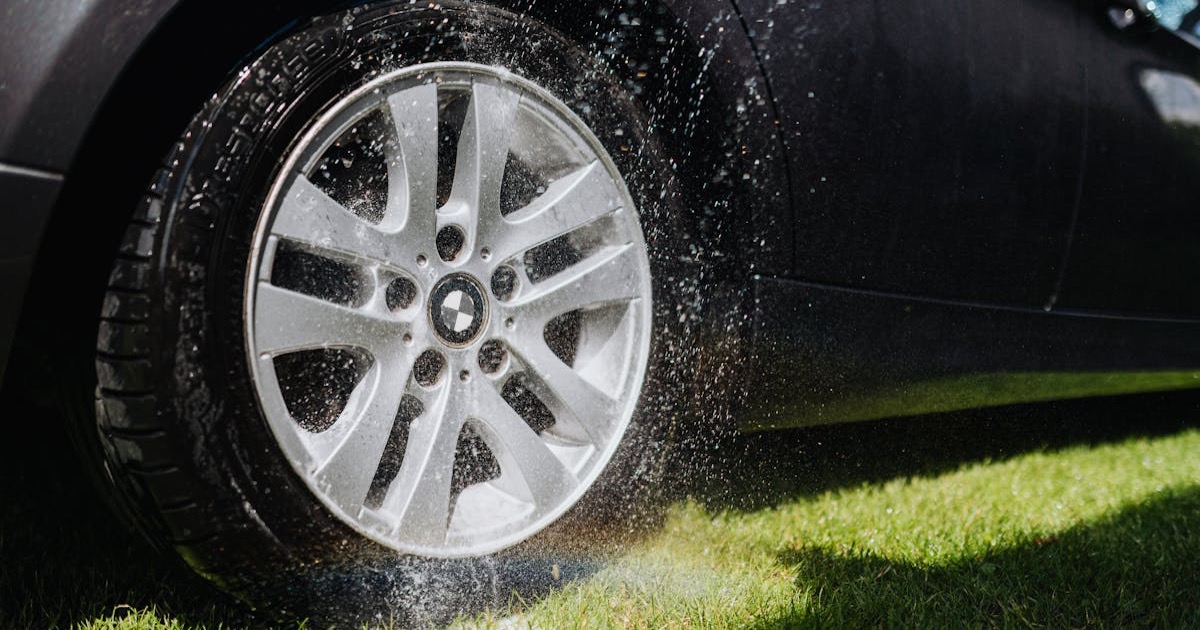
Does Pressure Washing Increase Home Value? The Data Behind Curb Appeal
Real estate studies consistently show that curb appeal influences home sale prices by 5-11%. Pressure washing is one of the cheapest and most effective ways to boost it. Here's the actual data on which surfaces to wash, the ROI you can expect, and why this matters even if you're not selling.
DIY Lawn Care vs. Professional Service: The Real Cost Comparison
Most homeowners assume DIY lawn care saves money. But when you add up equipment, products, maintenance, and - most importantly - your time, the numbers tell a different story. Here is the full cost breakdown.

Fall Yard Cleanup Guide: How to Winterize Your Okanagan Property
The work you do in fall determines whether your Okanagan property emerges from winter in good shape or needs expensive repairs come spring. This guide covers every step of fall yard cleanup and winterization.