How the Okanagan Climate Affects Your Home Maintenance Needs
How the Okanagan's unique semi-arid climate, extreme temperatures, and UV exposure affect your home maintenance needs. Protect your home from local conditions.

A Climate Unlike Anywhere Else in Canada
The Okanagan Valley occupies a unique climatic niche in Canada. Situated in the rain shadow of the Coast and Cascade mountain ranges, the valley receives a fraction of the precipitation that falls on the coast while experiencing temperature extremes that rival the prairies. The result is a semi-arid climate that combines scorching summers, genuine winters, intense solar radiation, dramatic temperature swings, and increasingly severe wildfire seasons.
For homeowners, this means maintenance demands that are fundamentally different from those in Vancouver, Calgary, Toronto, or any other major Canadian market. A maintenance schedule designed for the coast or the prairies will leave critical gaps when applied to an Okanagan home. Understanding exactly how the local climate stresses your home - and which maintenance responses are needed - is the foundation of effective property care in this region.
Extreme Temperature Range: The Expansion-Contraction Problem
The Okanagan's annual temperature range is extraordinary. Winter lows of minus 15 to minus 25 and summer highs of 35 to 42 create a total annual swing of 55 to 65 degrees Celsius. On a daily basis, summer temperature swings of 20 to 25 degrees between the cool morning and the hot afternoon are routine.
This constant thermal cycling stresses every material in your home through expansion and contraction.
Impact on Caulking and Sealants
Caulking is the first casualty of the Okanagan's temperature extremes. Every seal around windows, doors, vents, and material transitions expands in the heat and contracts in the cold. Over hundreds of these cycles, even premium caulking eventually loses adhesion, cracks, and separates.
In the Okanagan, exterior caulking has a functional lifespan approximately 30 to 40 percent shorter than the manufacturer's stated life expectancy. A caulk rated for 20 years in a temperate climate may last 12 to 14 years in the Okanagan - less if it faces south or west and takes direct sun.
What this means for maintenance: Inspect all exterior caulking twice per year - in spring to catch winter damage and in fall before temperatures drop. Budget for full re-caulking every 8 to 12 years rather than the 15 to 20 years that is typical in more moderate climates.
Impact on Siding and Trim
Vinyl siding expands noticeably in Okanagan summer heat. If the siding was installed too tightly - without proper expansion gaps - it can buckle and warp. In winter, it contracts and can pull away from trim and corners, opening gaps that allow moisture infiltration.
Wood siding and trim dry out in the Okanagan's low humidity, developing checks (surface cracks) that trap moisture during rain and freeze-thaw cycles. Left unaddressed, these checks deepen into structural cracks that require board replacement rather than simple refinishing.
Fibre cement siding (such as James Hardie board) is the most dimensionally stable option in the Okanagan's conditions and is increasingly popular in new construction and renovations for this reason.
What this means for maintenance: Inspect siding annually for buckling, gaps, and surface damage. Repaint or restain wood siding on a shorter cycle than manufacturer recommendations suggest.
Impact on Concrete and Masonry
Driveways, walkways, patios, foundation walls, and decorative stonework all suffer from the Okanagan's freeze-thaw cycles. Water enters pores and hairline cracks in concrete and masonry, then freezes and expands. Over a single winter season with 50 or more freeze-thaw cycles, this process (called spalling) can chip surfaces, widen cracks, and degrade mortar joints.
What this means for maintenance: Seal concrete driveways and walkways every 2 to 3 years. Fill hairline cracks in concrete and mortar joints promptly before freeze-thaw cycles widen them. Ensure proper drainage so water does not pool on or against concrete surfaces.
UV Radiation: The Silent Destroyer
The Okanagan receives among the highest ultraviolet radiation levels in Canada. Several factors combine to create this intense UV environment:
- Clear skies. The semi-arid climate means more sunny days and less cloud cover to filter UV.
- Elevation. The valley floor sits at 350 to 550 metres, with residential areas extending to 700 metres or higher. UV intensity increases approximately 10 percent for every 1,000 metres of elevation.
- Lake reflection. Okanagan Lake and the valley's numerous smaller lakes reflect UV radiation upward, increasing exposure on surfaces near the lakeshore.
- Snow reflection. In winter, snow cover reflects up to 80 percent of UV radiation, meaning your siding, trim, and roofing get bombarded from both above and below.
Impact on Exterior Finishes
UV radiation breaks down the chemical bonds in paint, stain, and sealant. This process, called photodegradation, causes fading, chalking (a powdery residue on painted surfaces), peeling, and eventual failure of the finish.
In the Okanagan, exterior paint and stain degrade roughly 30 to 50 percent faster than the same products applied in a coastal BC climate. A deck stain that lasts five years in Vancouver may last three years in Kelowna. An exterior paint job that holds for 10 years on the coast may need repainting in 6 to 8 years in the Okanagan.
South-facing and west-facing surfaces degrade fastest because they receive the most direct sun and the most intense afternoon UV. North-facing surfaces last noticeably longer.
What this means for maintenance: Budget for repainting and restaining on a shorter cycle. Use UV-resistant products specifically formulated for high-UV environments. Prioritize south and west-facing surfaces for inspection and refinishing.
Impact on Roofing
Asphalt shingles rely on granules to protect the underlying asphalt from UV. Over time, UV breaks down the bond between the granules and the shingle, causing granule loss. Lost granules expose the asphalt, which then degrades rapidly.
In the Okanagan, expect to see significant granule loss on south-facing roof slopes 5 to 10 years before north-facing slopes on the same roof. The effective lifespan of asphalt shingles in the Okanagan is typically 20 to 25 years, compared to the 25 to 30 year lifespan advertised by manufacturers (which is based on more moderate UV conditions).
Metal roofing, clay tile, and concrete tile are all more UV-resistant options that perform well in the Okanagan's conditions and offer longer lifespans.
Impact on Decks and Fences
Wood decks and fences in the Okanagan take a tremendous UV beating. Unfinished or under-maintained wood turns grey, develops surface checks and splits, and eventually becomes structurally weakened. Composite decking, while more UV-resistant, can still fade significantly in the Okanagan's conditions.
What this means for maintenance: Stain or seal wood decks every 2 to 3 years. Stain wood fences every 3 to 4 years. For south and west-facing decks, the shorter end of that range is appropriate.
Drought and Low Humidity: The Drying Problem
The Okanagan receives only 300 to 400 millimetres of annual precipitation, roughly one-quarter of what Vancouver receives. Summer months often pass with virtually no rainfall. Relative humidity can drop below 15 percent during hot, dry periods.
Impact on Wood
Every piece of wood in your home - framing, siding, trim, decking, fencing, furniture - is affected by the Okanagan's dry conditions. Wood shrinks as it dries, creating gaps at joints, loosening fasteners, and opening checks and cracks on exposed surfaces.
Interior wood is also affected. Hardwood flooring can develop gaps between boards during dry winter months when furnace operation drops indoor humidity below 25 percent. Wood cabinets, trim, and furniture can crack and warp.
What this means for maintenance: Maintain indoor humidity at 30 to 40 percent during heating season using a humidifier. Inspect exterior wood regularly for checking and seal cracks promptly. Keep exposed wood surfaces stained or sealed to slow moisture loss.
Impact on Foundations
The clay-heavy soils found in parts of Kelowna, West Kelowna, Vernon, and other Okanagan communities expand when wet and shrink when dry. During extended drought, soil can shrink away from foundation walls, creating gaps that allow water to pool against the foundation during subsequent rain.
In severe cases, soil movement causes differential settlement, where one side of the foundation sinks more than the other. This creates cracking in foundation walls, doors and windows that stick, and uneven floors.
What this means for maintenance: During extended dry periods in summer, water the soil along your foundation perimeter with a soaker hose to maintain consistent moisture levels. Monitor for new cracks in the foundation, especially after dry summers or wet springs.
Impact on Landscapes
Lawns, gardens, and trees in the Okanagan are entirely dependent on irrigation during summer. The natural precipitation between June and September is negligible. Without supplemental watering, most landscape plants - including trees that took decades to grow - will die.
What this means for maintenance: Maintain your irrigation system meticulously. A broken head or misaligned sprinkler during a heat wave can kill a section of lawn in days. Budget for irrigation as a non-optional expense from May through October.
Irrigation System Service
Starting at $95/visit - included in your plan
Wildfire Smoke: The Emerging Challenge
Wildfire smoke has become a recurring feature of Okanagan summers, with weeks of poor air quality becoming the norm rather than the exception. Beyond the health concerns, wildfire smoke affects homes in several ways.
Exterior Surface Deposits
Smoke and ash deposit on every exterior surface - roof, siding, windows, decks, outdoor furniture, and vehicles. These deposits are mildly acidite and can stain surfaces if left in place. On roofs, ash mixed with dew creates a paste that accelerates shingle degradation.
HVAC Impact
Smoke particulates are hard on HVAC systems. Furnace filters clog rapidly during smoke events - a filter that normally lasts three months may need replacement weekly during heavy smoke. The fine particulates can also deposit on evaporator coils, blower fans, and ductwork.
During and after a smoky summer, your HVAC system needs extra attention:
- Replace furnace filters frequently during smoke events (check every few days).
- Have the system professionally cleaned after a prolonged smoke season.
- Consider upgrading to MERV 13 or higher filters during smoke season for better particulate capture.
- Run the fan continuously during smoke events to circulate air through the filter.
Indoor Air Quality
Even with windows closed, fine smoke particulates infiltrate homes through gaps, seams, and the HVAC system. These particulates settle on every interior surface and embed in upholstery, carpet, and bedding. After a smoky summer, a deep interior clean - including upholstery cleaning, carpet cleaning, and duct cleaning - can dramatically improve indoor air quality.
What this means for maintenance: After smoky summers, budget for exterior pressure washing, interior deep cleaning, duct cleaning, and potentially multiple furnace filter changes. Keep extra filters on hand during fire season.
Wind: The Underrated Factor
The Okanagan Valley creates its own wind patterns. Thermal winds blow up the valley during the day and down the valley at night. Occasional strong windstorms can gust to 80 kilometres per hour or more.
Impact on Roofing
Wind lifts shingle edges, breaks seals between shingle tabs, and can tear shingles from the roof entirely. The lift force is strongest at roof edges, ridges, and around penetrations (vents, chimneys, skylights). After any significant windstorm, a visual roof inspection from the ground is warranted.
Impact on Fencing
Wood fences act as sails in strong wind. Loose boards, rotted posts, and weakened connections are the failure points. Regular fence maintenance - tightening connections, replacing rotted posts, reinforcing weak sections - prevents wind damage.
Impact on Trees
The Okanagan's dry conditions, combined with wind exposure, make trees vulnerable to windthrow (blowing over). Trees with compromised root systems - from drought stress, soil compaction, or root damage - are most at risk. An annual arborist assessment for mature trees near your home is a worthwhile investment.
Seasonal Climate Summary and Maintenance Response
| Season | Key Climate Factors | Primary Maintenance Response |
|---|---|---|
| Spring (Mar-May) | Rapid snowmelt, saturated soil, increasing UV, wind | Gutter cleaning, HVAC service, caulking inspection, irrigation startup |
| Summer (Jun-Aug) | Extreme heat, drought, intense UV, wildfire smoke, wind | Irrigation management, AC maintenance, FireSmart, UV surface protection |
| Fall (Sep-Nov) | Rapid cooling, first frost, rain, leaf drop | Winterization, gutter cleaning, furnace service, irrigation blowout |
| Winter (Dec-Feb) | Cold, snow, freeze-thaw, ice, low humidity, wind | Snow removal, ice dam prevention, pipe protection, humidity control |
Building a Climate-Appropriate Maintenance Plan
The Okanagan demands a maintenance approach that accounts for all of these climate factors simultaneously. A plan designed for a more moderate climate misses critical needs. A plan designed for only one factor (such as cold weather) leaves other vulnerabilities unaddressed.
An effective Okanagan maintenance plan must address:
- Thermal cycling through regular inspection and maintenance of caulking, seals, and exterior connections.
- UV degradation through proactive refinishing of exterior surfaces on a shortened cycle.
- Drought and low humidity through irrigation management and foundation moisture monitoring.
- Freeze-thaw damage through proper drainage, surface sealing, and winterization.
- Wildfire exposure through FireSmart landscaping and post-smoke cleaning.
- Wind through structural maintenance of roofing, fencing, and tree management.
This is a lot to track. Which is exactly why a comprehensive, locally-informed maintenance service is so valuable in the Okanagan.
Let My Home Plan Protect Your Home From the Okanagan Climate
My Home Plan's service schedules are built specifically for the Okanagan's climate conditions. Every service is timed for the season, every inspection accounts for local conditions, and every maintenance task addresses the specific stresses that this valley puts on homes.
From spring gutter cleaning that follows the melt to fall winterization that beats the freeze to summer maintenance that manages UV, drought, and wildfire risk, our plans cover the full spectrum of Okanagan climate demands. You get protection from every angle, managed in one place, on one predictable schedule.
Frequently Asked Questions
Why Homeowners Choose My Home Plan
Predictable Pricing
One monthly payment covers everything. No surprise quotes or hidden fees.
Vetted Contractors
Every contractor is background-checked, insured, and reviewed.
Zero Hassle
We handle scheduling, quality control, and follow-ups. You relax.
Related Articles
Living in the Okanagan: Home Maintenance Challenges Every Homeowner Should Know
The Okanagan is one of the best places in Canada to live, but its extreme climate creates unique home maintenance challenges that catch many homeowners off guard. From scorching summers and bitter winters to wildfire risk and water scarcity, here is what every Okanagan homeowner needs to know.
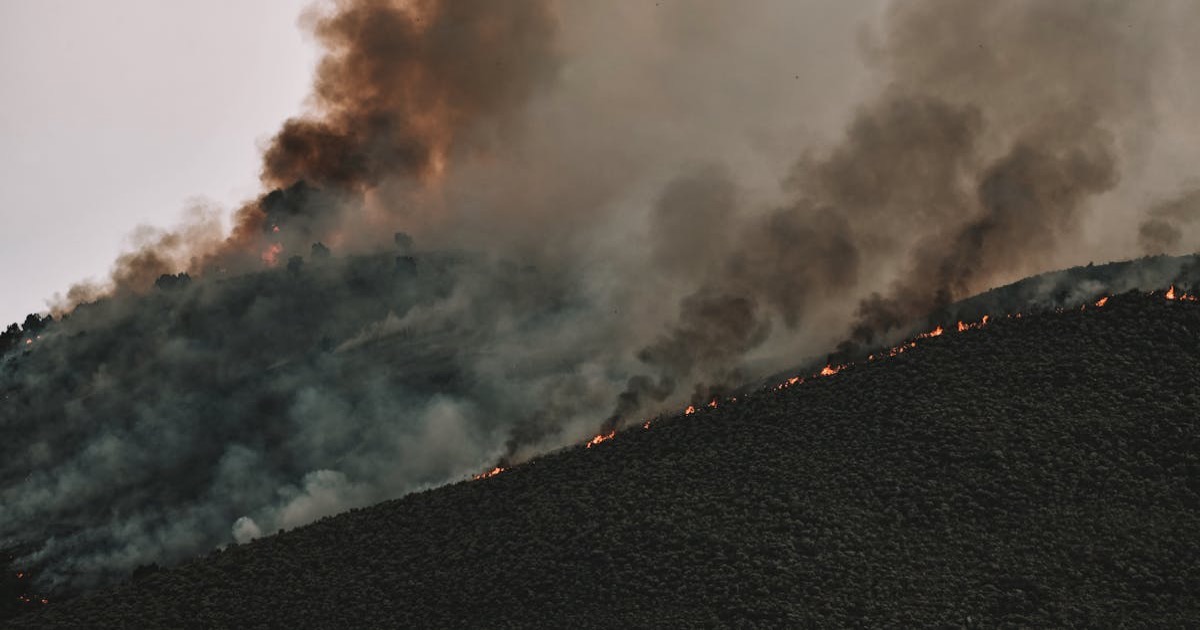
Preparing Your Okanagan Home for Wildfire Season: A Complete FireSmart Guide
Wildfires are not a hypothetical threat in the Okanagan - they are a recurring reality. This comprehensive guide covers everything you need to know about preparing your home for fire season, from FireSmart defensible space to roof maintenance, gutter cleaning, emergency planning, and insurance considerations.

Complete Home Maintenance Calendar for the Okanagan: Month-by-Month Guide
A complete month-by-month home maintenance calendar built specifically for the Okanagan Valley. From January furnace checks to December winterization, every task is timed to our local climate, frost dates, and fire season so nothing falls through the cracks.