How to Extend the Life of Your Carpets: The Complete Maintenance Guide
Learn how to make your carpets last 15-20 years with proper daily, weekly, and monthly care. Expert tips on vacuuming, stain prevention, and professional cleaning.
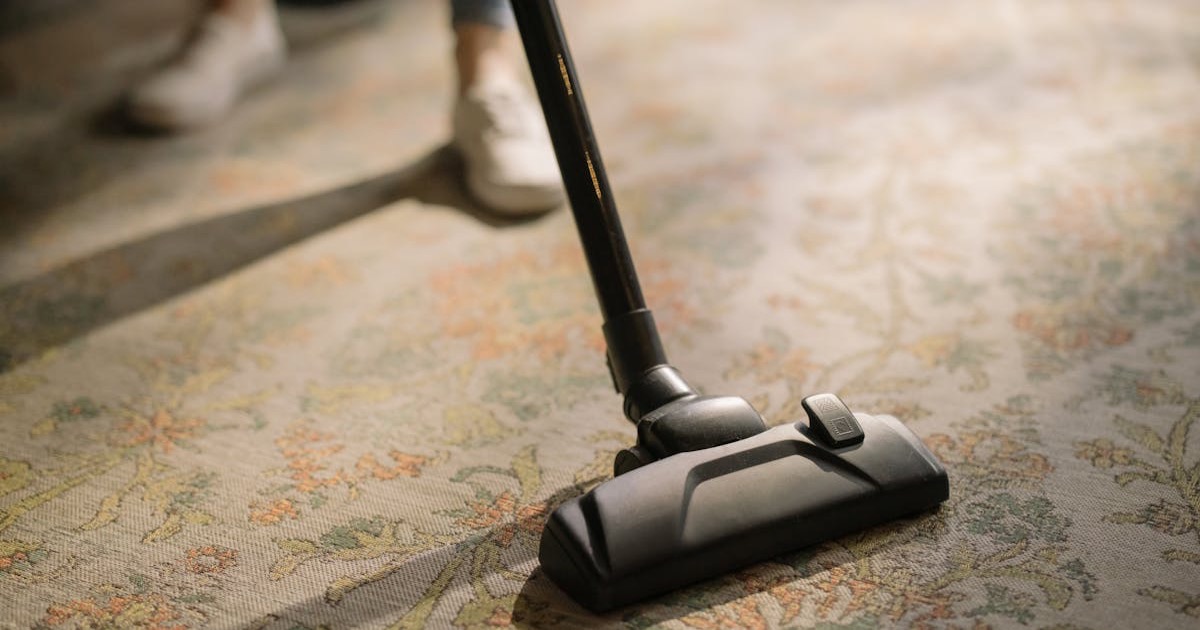
Replacing carpet in a typical Okanagan home costs between $5,000 and $15,000, depending on the size of your home and the quality of carpet you choose. That is a significant investment, and most homeowners expect their carpet to last. But here is the reality: the average carpet gets replaced after only 8-10 years, often due to preventable wear and damage.
With proper maintenance, that same carpet could last 15-20 years or longer. The difference is not luck or buying the most expensive option. It is consistent, straightforward maintenance that most people simply are not doing.
This guide walks you through everything - from the daily habits that prevent premature wear, to the professional cleaning schedule that keeps your carpet warranty intact and your fibers in peak condition.
How Long Different Carpet Types Actually Last
Before we talk about extending carpet life, you need to know what you are working with. Different carpet fibers have fundamentally different lifespans, and knowing your carpet type helps you set realistic expectations and tailor your maintenance approach.
Pile Style Matters Too
Beyond the fiber type, the pile style affects how quickly your carpet shows wear:
- Cut pile (plush, Saxony, frieze): Shows footprints and vacuum marks easily. Higher-twist counts resist matting better.
- Loop pile (Berber, level loop): More durable in high-traffic areas but can snag. Harder to spot-clean.
- Cut and loop (patterned): Hides wear patterns well due to the mixed texture. A good choice for busy households.
- Frieze (twist): The tightly twisted fibers resist matting and hide footprints. One of the most durable residential options.
If you are choosing new carpet, invest in a higher face weight (the weight of the fiber per square yard, not including the backing). Carpet with a face weight of 40 ounces or higher will significantly outperform lighter options in high-traffic areas. This single spec is more predictive of carpet longevity than almost any other factor.
The Daily Habits That Protect Your Carpet
Carpet maintenance is not about occasional heroic efforts. It is about small daily habits that prevent the cumulative damage that ages carpet prematurely.
Implement a No-Shoes Policy
This is the single highest-impact change you can make. According to research from the University of Arizona, the average shoe sole carries approximately 421,000 units of bacteria along with dirt, gravel, pesticides, and other contaminants. All of this gets ground into your carpet fibers with every step.
A no-shoes policy dramatically reduces:
- Soil load: Up to 80% less dirt tracked onto carpet
- Abrasive wear: Sand and grit particles act like sandpaper on carpet fibers
- Chemical exposure: Herbicides, pesticides, and petroleum residues from parking lots
- Bacteria and contaminants: Significantly lower pathogen levels in carpet
If a strict no-shoes policy does not work for your household, place high-quality entry mats at every exterior door. Use a coarse scraper mat outside and a plush absorbent mat inside. This two-mat system catches the majority of soil before it reaches your carpet.
Deal With Spills Immediately
The first 60 seconds after a spill are critical. Once a liquid penetrates through the carpet fibers and into the backing, complete removal becomes much more difficult. Some tips for quick action:
- Keep a basic carpet spot cleaner in each bathroom and the kitchen so you never have to hunt for supplies
- Blot from the outside of the spill toward the center to prevent spreading
- Use a clean white cloth or white paper towels only
- Never rub or scrub - this pushes the spill deeper and can distort fibers
- After blotting, place a clean towel over the spot and weight it down to absorb residual moisture
Manage Sunlight Exposure
UV radiation fades carpet color over time, and the Okanagan's intense summer sun accelerates this process significantly. Protect your carpet from UV damage:
- Close blinds or curtains during peak sun hours (10 AM to 3 PM) on south and west-facing windows
- Install UV-filtering window film - it blocks up to 99% of UV rays while still admitting visible light
- Rotate furniture periodically to ensure even fading rather than obvious sun-bleached rectangles
- Use area rugs in spots that receive direct, prolonged sunlight
Carpet & Upholstery Cleaning
Starting at $235/visit - included in your plan
The Weekly Carpet Care Routine
Vacuuming: The Foundation of Carpet Longevity
Vacuuming is not glamorous, but it is far and away the most important thing you can do to extend carpet life. Here is why: the dirt that settles deep into carpet fibers is sharp and abrasive at a microscopic level. Every time someone walks on dirty carpet, those particles grind against the fibers like sandpaper, cutting and weakening them. Over months and years, this abrasion is what causes the matted, worn-down appearance that makes old carpet look old.
How often to vacuum by area:
Vacuuming Technique That Actually Works
Most people vacuum too quickly. To effectively remove embedded dirt:
- Slow down: Move the vacuum at a pace of about one foot per second. Fast passes only pick up surface debris.
- Use overlapping strokes: Each pass should overlap the previous one by about half a vacuum width.
- Vacuum in two directions: Make passes in one direction, then go over the same area perpendicular to the first direction. This reaches fibers from all angles.
- Focus on high-traffic paths: Give these areas 4-6 passes in each direction.
- Lift and adjust height: Set your vacuum to the correct height for your carpet pile. Too low and you strain the motor; too high and you do not get adequate suction.
Replace your vacuum bag or empty the canister when it is two-thirds full, not when it is completely packed. Vacuum suction drops by 50% or more when the bag is overfilled. Similarly, replace or wash your vacuum filter every 3 months. A clogged filter means your vacuum is pushing dirt around rather than removing it.
Choosing the Right Vacuum
Your vacuum matters. The wrong vacuum can leave dirt behind or even damage your carpet:
- Upright vacuums with rotating brush bars: Best for cut pile (plush, Saxony) carpets. The brush agitates fibers and lifts embedded dirt.
- Canister vacuums with suction-only heads: Better for loop pile (Berber) carpets, where rotating brushes can snag and pull loops.
- HEPA filtration: Essential if anyone in your household has allergies or asthma. Standard vacuums exhaust fine particles back into the room.
- Adjustable height settings: Critical for homes with different carpet pile heights in different rooms.
- Edge cleaning capability: The edges along walls and under furniture collect the most dust and debris. A good vacuum has effective edge-cleaning suction.
Weekly Spot Checks
Once a week during your regular vacuuming, take 30 seconds to walk the perimeter of each carpeted room and look for:
- New stains that need immediate treatment
- Furniture legs that are crushing carpet without protectors
- Edges that are coming loose from the tack strip
- Areas of matting that indicate the need for professional grooming
- Pet damage (scratching, digging, or chewing)
Catching these issues early prevents them from becoming permanent problems.
Carpet & Upholstery Cleaning
Starting at $235/visit - included in your plan
Monthly and Seasonal Carpet Maintenance
Monthly Tasks
Deep vacuum under furniture: Once per month, move or lift furniture and vacuum underneath. The areas under sofas, beds, and heavy furniture collect dust, pet hair, and allergens that your regular vacuuming misses. These spots also harbor dust mites at higher concentrations than open floor areas.
Rotate furniture: Shifting your furniture layout by even a few inches every month distributes traffic patterns more evenly across the carpet. This prevents the permanent "path" effect where certain areas are visibly more worn than the rest of the room.
Check and treat high-traffic zones: Apply a spray-on carpet protector to high-traffic areas monthly. These products add a fluoropolymer layer to carpet fibers that resists staining and makes vacuuming more effective. Focus on hallways, in front of sofas, and around dining areas.
Groom carpet fibers: In high-traffic areas, carpet fibers start to lean in one direction, creating a matted appearance. Using a carpet rake (available at most home improvement stores for under $20), comb through these areas to lift and realign the fibers. This makes a surprisingly dramatic visual difference.
Seasonal Tasks
Spring (March-April):
- Schedule professional deep cleaning after the winter season. Winter brings extra moisture, road salt residue tracked indoors, and dry indoor air that increases static and dust accumulation.
- Inspect carpet edges and seams for any winter moisture damage.
- Deep clean all entry mats and replace any that are worn through.
Summer (June-August):
- Monitor UV exposure and adjust window coverings. Summer sun in the Okanagan can fade carpet noticeably in a single season without protection.
- Check for pest activity - carpet beetles are active in summer and feed on natural fiber carpets.
- Consider having high-traffic areas treated with carpet protector before heavy summer foot traffic.
Fall (September-October):
- Post-wildfire season cleaning is important in the Okanagan. Smoke particles embed in carpet fibers and can affect indoor air quality for months.
- Prepare entry mats for the wet and muddy fall season.
- Schedule professional carpet cleaning before the holiday season when you may be hosting guests.
Winter (November-February):
- Place extra mats at all entrances to catch snow, slush, and road salt.
- Run a humidifier to maintain 30-50% indoor humidity. Dry winter air causes static buildup that attracts more dust to carpet fibers.
- Vacuum more frequently during the holiday season when foot traffic increases.
In the Okanagan, the ideal time for professional carpet cleaning is typically late September or early October. This catches the accumulated summer dust and wildfire smoke residue, and your home is fresh for the holiday season when you are most likely to have visitors.
Carpet & Upholstery Cleaning
Starting at $235/visit - included in your plan
The Professional Cleaning Schedule
Regular professional carpet cleaning is not optional if you want your carpet to reach its full lifespan. Vacuuming handles the surface layer - roughly the top third of the fiber - but the deepest soil, allergens, and bacteria require professional-grade hot water extraction to remove.
The Recommended Schedule
For most Okanagan households:
- Minimum: Professional hot water extraction once per year
- Recommended for families: Every 6-12 months
- Homes with pets: Every 6-9 months
- Allergy sufferers: Every 3-6 months
Why Annual Professional Cleaning Is Non-Negotiable
The case for regular professional cleaning goes beyond aesthetics:
Warranty compliance: Nearly every major carpet manufacturer - Shaw, Mohawk, Beaulieu, Godfrey Hirst - requires professional cleaning every 12-18 months to maintain your warranty. Without cleaning receipts, a warranty claim for premature wear will almost certainly be denied. Given that carpet replacement costs $5,000-$15,000, maintaining your warranty is financially critical.
Abrasive soil removal: The most damaging dirt in your carpet is invisible. Microscopic particles of sand, grit, and mineral deposits settle deep into the carpet pile where your vacuum cannot reach. These particles cut into fiber surfaces with every footstep, causing the dull, matted appearance that characterizes worn carpet. Professional hot water extraction removes these particles from the base of the fibers.
Allergen and bacteria reduction: A study published in the Journal of Allergy and Clinical Immunology found that professional steam cleaning removes up to 97% of dust mite allergens and 99% of bacteria from carpet fibers. For the estimated 20-25% of Canadians with allergies or asthma, this is significant.
Odor elimination: Carpet absorbs odors from cooking, pets, smoke, and general living. Over time, these odors become embedded in the carpet backing and padding, where surface treatments cannot reach them. Professional cleaning with deodorizing agents neutralizes odors at their source.
At My Home Plan, professional carpet cleaning via hot water extraction is available at $225 per visit, scheduled at the optimal time in your annual maintenance calendar.
Protecting High-Traffic Areas
Certain areas of your home absorb disproportionate wear. Focusing your protection efforts on these zones yields the biggest lifespan improvements.
Hallways and Entryways
These areas see 5-10 times more foot traffic than bedrooms. Strategies for protection:
- Runner rugs: A high-quality runner over hallway carpet distributes wear and is far cheaper to replace than the underlying carpet. Choose a runner with a non-slip pad underneath.
- Entry mat systems: A two-mat system (scraper outside, absorbent inside) at every exterior door captures 80% or more of soil before it reaches your carpet.
- Extra vacuuming: Vacuum hallways and entryways at least 3 times per week.
In Front of Furniture
The areas directly in front of sofas, chairs, and beds see concentrated traffic as people sit, stand, and walk to and from these spots daily.
- Area rugs: Place an area rug in front of the sofa and under the dining table to absorb the heaviest wear.
- Furniture rotation: Periodically rearranging furniture changes the traffic pattern and distributes wear.
Stairs
Stairs are one of the fastest areas to show carpet wear because each step concentrates the impact of foot traffic on a small area, and the nose of each step takes the most abuse.
- Stair runners: If your stairs are fully carpeted, a runner on top adds a sacrificial layer that can be replaced independently.
- Frequent vacuuming: Vacuum stairs 2-3 times per week. The edges of each step collect the most debris.
- Professional attention: During professional cleaning, ask the technician to give stairs extra passes. The tight spaces and high wear justify the additional attention.
Under Furniture
Heavy furniture crushes carpet fibers over time, creating permanent indentations that are difficult or impossible to reverse once they have been in place for years.
- Furniture coasters: Large, flat carpet coasters under furniture legs distribute weight over a larger area, preventing deep indentations.
- Felt pads: On lighter furniture, felt pads prevent legs from cutting into carpet fibers.
- Regular repositioning: Even shifting heavy furniture a few inches every few months allows compressed fibers to recover.
To remove furniture indentations from carpet, place an ice cube in each indentation and let it melt completely. As the fibers absorb the moisture, they swell back toward their original shape. Once dry, vacuum the area with a few slow passes to restore the texture. This works best on synthetic fibers and on indentations that are less than a year old.
Carpet & Upholstery Cleaning
Starting at $235/visit - included in your plan
Stain Prevention Strategies
The best stain treatment is prevention. These strategies dramatically reduce the number of stains your carpet faces:
Carpet Protector Treatments
Fluoropolymer protectors (the technology behind brand names like Scotchgard and Teflon Advanced) coat individual carpet fibers with an invisible barrier that:
- Causes liquids to bead up on the surface instead of absorbing
- Gives you a longer window to clean up spills before they penetrate
- Makes vacuuming more effective by preventing soil from bonding to fibers
- Reduces static electricity, which attracts dust
Most new carpets come with a factory-applied protector, but it wears off with foot traffic and cleaning. Reapply carpet protector after each professional cleaning for continuous protection. Professional application costs $50-$75 per room and is money well spent.
Strategic Area Rug Placement
Area rugs are your carpet's first line of defense in high-risk zones:
- Dining areas: Spills are inevitable where food and drinks are consumed. An area rug under the dining table catches most of them.
- Children's play areas: Markers, juice, food, and craft supplies all end up on the floor. A washable area rug protects the carpet underneath.
- Pet feeding stations: Water splashes and food debris create a constant low-level staining risk. A mat under food and water bowls is essential.
- Home office desk areas: Chair casters grind dirt into carpet and create wear patterns. A chair mat protects the area directly under your desk.
Pet-Specific Protection
Pets are the number one source of carpet stains and odors. If you have pets:
- Trim nails regularly to prevent carpet fiber snagging and pulling
- Wipe paws at the door with a damp towel to remove mud and moisture before it hits the carpet
- Use enzymatic cleaners for any pet accidents - standard cleaners do not break down uric acid, meaning the smell returns and the pet will return to the same spot
- Consider carpet with built-in stain resistance for pet-heavy households. Triexta (SmartStrand) fibers have stain resistance engineered into the fiber itself, not applied as a topical coating, so it never wears off.
When to Replace Instead of Clean
Even with perfect maintenance, every carpet eventually reaches the end of its useful life. Here are the signs that tell you it is time for replacement rather than another cleaning:
Definite Replacement Signs
- Matting that does not recover: If professional cleaning and grooming cannot restore the pile in high-traffic areas, the fibers are permanently damaged.
- Visible backing or wear-through: When you can see the carpet backing through the pile, the fibers are worn down beyond salvage.
- Persistent odors after professional cleaning: If odors survive professional hot water extraction with deodorizing agents, the contamination has reached the pad or subfloor and cannot be cleaned from the carpet alone.
- Significant color loss: When fading is uneven and pronounced, cleaning will not restore the original color.
- Widespread permanent staining: If more than 15-20% of the carpet has permanent stains, replacement looks better and costs about the same as repeated spot treatments.
- Padding deterioration: If the carpet feels lumpy, uneven, or has lost its cushion, the pad underneath has broken down. Padding cannot be replaced without removing the carpet.
The Age Factor
Even well-maintained carpet has a finite lifespan due to gradual fiber degradation:
Notice the pattern: proper maintenance nearly doubles the functional lifespan of every carpet type. The difference between "good care" and "poor care" is not extreme effort - it is simply consistent vacuuming, prompt stain treatment, and annual professional cleaning.
Before replacing carpet, get a professional cleaning quote. Many carpets that homeowners assume are beyond help can be significantly revived by a skilled technician. A $225 cleaning that buys you another 2-3 years of carpet life is far better than a $10,000 replacement.
Putting It All Together: Your Carpet Maintenance Calendar
Here is your year-round carpet maintenance schedule at a glance:
Daily:
- Enforce no-shoes or entry mat use
- Treat spills immediately (blot, do not rub)
- Quick vacuum of highest-traffic spots if needed
Weekly:
- Vacuum all carpeted rooms (high-traffic areas 2-3x, others 1x)
- Spot check for new stains, damage, or pest activity
Monthly:
- Vacuum under and behind furniture
- Groom high-traffic areas with a carpet rake
- Shift furniture positions slightly to redistribute wear
Quarterly:
- Inspect carpet edges, seams, and transitions for loosening
- Apply carpet protector to high-traffic zones
- Check and replace entry mats if needed
Annually:
- Professional hot water extraction cleaning ($225 per visit with My Home Plan)
- Reapply carpet protector after professional cleaning
- Assess carpet condition and plan for any needed repairs
As Needed:
- Professional stain treatment for stubborn spots
- Carpet stretching if ripples or buckles appear
- Seam repair if edges separate
This schedule takes very little daily effort but produces dramatic results over the life of your carpet. The difference between a carpet that lasts 8 years and one that lasts 18 years is not the carpet itself - it is this kind of consistent, informed care.
The Financial Case for Carpet Maintenance
Let's put real numbers to this. For a typical 2,000 sq ft Okanagan home with 1,200 sq ft of carpeted area:
Full maintenance - including professional cleaning once per year - saves approximately $7,500 over 20 years compared to no maintenance, while keeping your home cleaner, healthier, and more comfortable throughout.
That is the math. A $225 annual investment in professional carpet cleaning is not an expense. It is one of the best returns on investment in home maintenance.
Protect Your Carpet Investment with My Home Plan
Professional carpet cleaning, house cleaning, and 12+ other services - all in one monthly plan. Scheduled, managed, and guaranteed.
Frequently Asked Questions
Why Homeowners Choose My Home Plan
Predictable Pricing
One monthly payment covers everything. No surprise quotes or hidden fees.
Vetted Contractors
Every contractor is background-checked, insured, and reviewed.
Zero Hassle
We handle scheduling, quality control, and follow-ups. You relax.
Related Articles
Carpet Cleaning Methods Compared: Steam vs. Dry vs. Shampooing
Not all carpet cleaning methods are created equal. We compare steam cleaning, dry cleaning, shampooing, bonnet cleaning, and encapsulation - with honest pros, cons, and pricing so you can pick the right method for your home.
The Health Benefits of a Professionally Cleaned Home: What the Research Shows
Your home can look clean and still be making you sick. Dust mites, volatile organic compounds, pet dander, and mould spores build up invisibly - and research shows professional cleaning significantly reduces these health threats.
Deep Cleaning vs Regular Cleaning: What's the Difference and Which Do You Need?
Deep cleaning and regular cleaning are not the same thing, and hiring the wrong one wastes your money. This guide explains exactly what each service covers, what it costs, and how to know which one your home actually needs.