Carpet Cleaning Methods Compared: Steam vs. Dry vs. Shampooing
Compare steam cleaning, dry cleaning, and carpet shampooing methods. Learn which works best for your carpet type, stains, and budget.
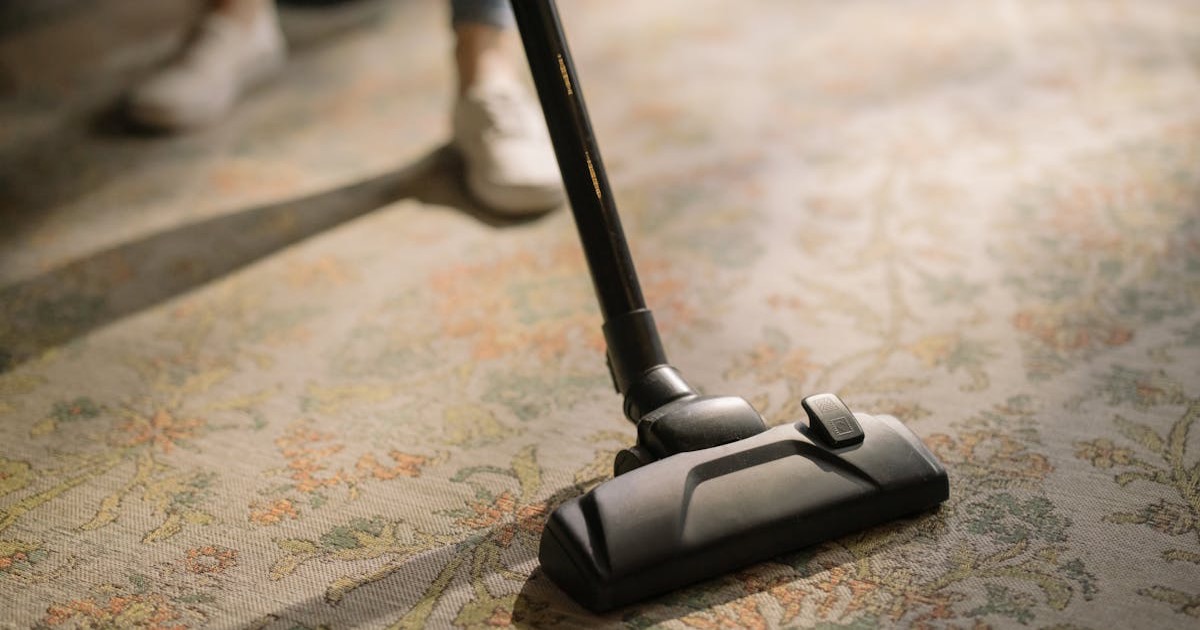
Your carpets are quietly collecting everything your home throws at them - dust, allergens, pet dander, food particles, soil tracked in from outside, and microscopic organisms you would rather not think about. Regular vacuuming handles the surface layer, but deep down, your carpet fibers are holding onto things your vacuum cannot reach.
That is where professional carpet cleaning comes in. But walk into the world of carpet cleaning and you will quickly discover there are several different methods, each with its own advocates, equipment, and best-use scenarios. Choosing the wrong method wastes money and can even damage your carpet. Choosing the right one extends your carpet's life by years and transforms the feel of your entire home.
Let's break down every major carpet cleaning method so you can make the right call.
Understanding the Five Main Carpet Cleaning Methods
There are five carpet cleaning methods in widespread professional use today. Each works differently at a fundamental level, which is why they produce different results for different situations.
1. Hot Water Extraction (Steam Cleaning)
Despite the name, steam cleaning does not actually use steam. The proper term is hot water extraction (HWE), and it is the method recommended by nearly every major carpet manufacturer and the Institute of Inspection, Cleaning and Restoration Certification (IICRC).
How it works:
- The carpet is pre-treated with a cleaning solution that breaks down soil and stains.
- A truck-mounted or portable machine injects hot water (typically 150-200 degrees Fahrenheit) deep into the carpet fibers at high pressure.
- Simultaneously, a powerful vacuum extracts the water along with all the dissolved dirt, allergens, and cleaning solution.
- The carpet is left damp (not soaking) and dries within 4-6 hours with proper ventilation.
Pros:
- Deepest clean available - reaches the carpet backing
- Removes 97-99% of bacteria and allergens
- Recommended and often required by carpet manufacturers for warranty compliance
- Effective on a wide range of stain types
- No chemical residue left behind when done properly
- Removes dust mites, pet dander, and mold spores
Cons:
- Longer dry time (4-6 hours, sometimes up to 12 in humid conditions)
- Requires professional equipment for best results
- Not ideal for natural fiber carpets like wool or sisal that are water-sensitive
- Furniture must be moved or raised
Best for: Most residential carpets, deep annual cleaning, allergy sufferers, homes with pets and children, carpet warranty compliance.
Typical cost: $150-$300 for a standard home (3-4 rooms).
When booking hot water extraction, ask whether the company uses truck-mounted equipment. Truck-mounted systems generate significantly more heat and suction than portable units, resulting in a deeper clean and faster dry times.
2. Dry Carpet Cleaning (Compound Cleaning)
Dry carpet cleaning uses almost no water. Instead, it relies on specialized cleaning compounds or powders that attract and absorb soil from carpet fibers.
How it works:
- A biodegradable cleaning compound (usually microscopic sponges moistened with water, detergent, and solvent) is spread across the carpet.
- A machine with counter-rotating brushes works the compound deep into the carpet fibers.
- The compound binds to dirt and soil particles through a chemical attraction process.
- After 15-30 minutes, the compound (now loaded with dirt) is vacuumed up with a commercial vacuum.
Pros:
- Minimal dry time (carpet is usable within 1-2 hours)
- No risk of over-wetting or mold growth
- Suitable for water-sensitive natural fiber carpets
- Convenient for commercial spaces that cannot shut down for hours
- Low moisture means no risk of delamination
Cons:
- Does not clean as deeply as hot water extraction
- Compound residue can remain in carpet if not thoroughly vacuumed
- Less effective on heavy stains or deeply embedded soil
- Not accepted by all carpet manufacturers for warranty purposes
- Some compounds can leave a crunchy feel if over-applied
Best for: Commercial offices, water-sensitive natural fiber carpets, situations where minimal downtime is essential, light maintenance between deep cleans.
Typical cost: $130-$250 for a standard home.
3. Carpet Shampooing
Carpet shampooing was the dominant method through the 1970s and 80s, and while it has largely been replaced by more modern approaches, some companies still offer it.
How it works:
- A foamy chemical shampoo is applied to the carpet using a rotary brush machine.
- The rotating brushes agitate the carpet fibers, loosening dirt and creating a lather.
- The shampoo encapsulates dirt particles as it dries.
- After drying, the residue is vacuumed up.
Pros:
- Effective at loosening surface-level dirt
- Can make heavily soiled carpets look significantly better
- Lower equipment cost means some providers charge less
Cons:
- Leaves significant chemical residue in the carpet (the biggest drawback)
- Residue attracts dirt faster, causing rapid re-soiling
- Requires thorough extraction to prevent buildup - which often does not happen
- Excessive moisture can lead to mold and mildew
- Not recommended by most modern carpet manufacturers
- Can cause carpet to feel stiff and sticky
Best for: Honestly, there are better options available for almost every situation. Shampooing is largely considered outdated.
Typical cost: $100-$200 for a standard home.
If a carpet cleaning company recommends shampooing as their primary method, that is a red flag. Modern encapsulation or hot water extraction delivers better results without the re-soiling issues that plague shampooing. Ask your cleaner what method they use before booking.
Carpet & Upholstery Cleaning
Starting at $235/visit - included in your plan
4. Encapsulation Cleaning
Encapsulation is a relatively modern method that has gained popularity as a maintenance cleaning approach, particularly in commercial settings.
How it works:
- A synthetic cleaning polymer is applied to the carpet using a rotary or cylindrical brush machine.
- The polymer surrounds (encapsulates) each dirt particle in a crystalline shell as it dries.
- The crystallized particles release from the carpet fiber and become brittle.
- Regular vacuuming removes the encapsulated dirt over the following days.
Pros:
- Very fast dry time (20-30 minutes)
- Uses minimal water
- No sticky residue - the crystalline particles are removed by normal vacuuming
- Environmentally friendly (low water usage, biodegradable polymers)
- Excellent for maintaining carpets between deep cleans
- Prevents rapid re-soiling
Cons:
- Not a deep clean - does not reach the carpet backing
- Less effective on heavy or old stains
- Not a substitute for periodic hot water extraction
- Limited effectiveness on heavily soiled carpets
- Not suitable as a standalone method for residential deep cleaning
Best for: Interim maintenance cleaning between annual hot water extraction sessions, commercial buildings with light to moderate soil, eco-conscious clients seeking low-water options.
Typical cost: $120-$220 for a standard home.
5. Bonnet Cleaning (Absorbent Pad Cleaning)
Bonnet cleaning is a surface-level method primarily used in commercial settings for quick appearance restoration.
How it works:
- A cleaning solution is sprayed onto the carpet surface.
- A rotary floor machine with an absorbent pad (the bonnet) spins across the carpet.
- The pad absorbs dirt from the carpet surface as it rotates.
- The pad is rinsed or replaced when it becomes saturated.
Pros:
- Very fast - large areas can be cleaned quickly
- Minimal dry time
- Inexpensive for basic surface cleaning
- Good for quick touch-ups before events or showings
Cons:
- Only cleans the top third of carpet fibers
- Pushes dirt deeper into the carpet backing
- Can distort carpet fibers due to the spinning motion
- Chemical residue is left in the carpet
- Not suitable for deep cleaning or stain removal
- Can cause premature wear of carpet pile
Best for: Commercial lobbies needing quick cosmetic cleaning, pre-event touch-ups. Not recommended for residential deep cleaning.
Typical cost: $80-$150 for a standard home.
Carpet & Upholstery Cleaning
Starting at $235/visit - included in your plan
Side-by-Side Method Comparison
Here is how the five methods stack up across the factors that matter most:
Which Method Is Best for Your Carpet Type?
Different carpet materials respond differently to cleaning methods. Using the wrong method on the wrong material can cause shrinkage, color bleeding, delamination, or fiber damage.
Synthetic Carpets (Nylon, Polyester, Olefin)
The vast majority of residential carpets installed in Canadian homes are synthetic. Nylon is the most popular for its durability, followed by polyester for its stain resistance and olefin (polypropylene) for its moisture resistance.
Best method: Hot water extraction. Synthetic fibers handle heat and moisture well, and HWE provides the deepest, most thorough clean. Nylon in particular benefits from the heat, which helps the fibers regain their original shape (a process called heat resetting).
Wool Carpets
Wool is a premium natural fiber that is more delicate than synthetics. It is sensitive to high heat, high pH cleaning solutions, and excessive moisture.
Best method: Dry cleaning or low-moisture hot water extraction with wool-safe solutions. The pH of the cleaning solution must stay below 8.0 to prevent fiber damage. Always verify that your cleaner has experience with wool.
Berber and Loop Pile Carpets
Berber carpets have looped fibers that can snag and unravel if cleaned with aggressive rotary equipment.
Best method: Hot water extraction with a wand (not a rotary extractor). The straight wand avoids snagging loops while still delivering a deep clean. Encapsulation is a good maintenance option between deep cleans.
High-End or Specialty Carpets
Silk, sisal, jute, and seagrass carpets each have unique cleaning requirements. Many of these materials can be permanently damaged by water.
Best method: Consult a certified carpet cleaning specialist. These materials almost always require dry cleaning or very specialized treatment. If your carpet cost more than $50 per square foot, it is worth the call to a specialist.
Not sure what your carpet is made of? Check the manufacturer's label, which is usually found on the carpet backing or on a tag tucked under the edge near a wall. If the label is missing, a professional carpet cleaner can identify the fiber type during their pre-inspection.
Carpet & Upholstery Cleaning
Starting at $235/visit - included in your plan
How Often Should You Have Your Carpets Professionally Cleaned?
The frequency of professional carpet cleaning depends on your household's specific circumstances. Here are research-backed guidelines:
The Warranty Factor
This is critical: most carpet manufacturers require professional cleaning every 12-18 months to maintain the warranty. If your carpet develops premature wear and you cannot provide receipts for regular professional cleaning, your warranty claim will likely be denied.
Major brands including Shaw, Mohawk, and Beaulieu all include this stipulation in their warranty documents. The required method is almost always hot water extraction performed by a certified technician.
At My Home Plan, professional carpet cleaning is included in our maintenance plans at $225 per visit, and we provide the documentation you need to maintain your warranty.
Check your carpet warranty documentation now. If you have not had a professional cleaning within the required timeframe, schedule one soon to avoid voiding your coverage. A $225 cleaning is far less expensive than replacing carpet that fails prematurely.
Stain Treatment: What Works and What Makes It Worse
Knowing how to handle a fresh stain before your professional cleaning appointment can be the difference between complete removal and a permanent mark.
The Universal Rule: Blot, Never Rub
Rubbing a stain pushes it deeper into the fibers and spreads it outward. Always blot from the outside of the stain toward the center using a clean white cloth. White is important because colored cloths can transfer dye to the carpet.
Common Stains and Immediate Treatment
Red wine: Blot immediately, then apply club soda or a mixture of one tablespoon dish soap and one tablespoon white vinegar in two cups of warm water. Blot repeatedly until the stain lifts.
Coffee: Blot the excess, then apply a solution of one part white vinegar to one part water. Follow with a small amount of dish soap solution. Blot dry.
Pet urine: This is the one stain where you need to act the fastest. Blot as much liquid as possible, then apply an enzymatic cleaner designed specifically for pet urine. Standard cleaners do not break down the uric acid crystals, which is why the smell often returns.
Grease or oil: Apply baking soda or cornstarch to the stain immediately to absorb the oil. Let it sit for 15 minutes, then vacuum. Apply a small amount of dish soap with warm water and blot.
Ink: Apply rubbing alcohol to a clean white cloth and blot the stain gently. Do not pour alcohol directly on the carpet - it can damage the backing adhesive.
What Never to Do
- Do not use bleach on carpet. Even on white carpet, bleach destroys fibers and creates permanent discoloration.
- Do not use hot water on protein stains (blood, egg, dairy). Heat sets protein stains permanently. Always use cold water.
- Do not over-wet the area. Excessive moisture can cause mold growth underneath the carpet and delamination of the backing.
- Do not use colored cloths or printed paper towels for blotting. Dye can transfer to the carpet permanently.
Carpet & Upholstery Cleaning
Starting at $235/visit - included in your plan
What to Expect From a Professional Carpet Cleaning Visit
If you have never hired a professional carpet cleaner, here is what the process typically looks like with a quality company:
Before the Visit
- Move small furniture and fragile items off carpeted areas
- Vacuum thoroughly (many companies do this as part of the service, but pre-vacuuming improves results)
- Point out specific stains and high-traffic areas to the technician
During the Visit
- Pre-inspection: The technician identifies carpet type, condition, stains, and high-traffic zones.
- Furniture moving: Heavy furniture is moved or raised onto protective blocks.
- Pre-vacuuming: A thorough commercial vacuuming removes loose soil.
- Pre-treatment: Cleaning solution is applied to the entire carpet, with extra treatment on stains and high-traffic areas.
- Dwell time: The solution sits for 5-15 minutes to break down soil.
- Extraction: Hot water extraction cleans and rinses the carpet, removing all solution and dirt.
- Post-treatment: Deodorizer and/or carpet protector is applied if requested.
- Speed drying: Air movers may be placed to accelerate dry time.
- Final walk-through: The technician reviews the results with you.
After the Visit
- Keep foot traffic off the carpet for 2-4 hours
- Leave air movers running if provided
- Open windows or run the HVAC fan to promote air circulation
- Wait 24 hours before replacing furniture to prevent indentations in damp carpet
- Avoid walking on damp carpet in socks (they absorb moisture and re-soil quickly)
Professional Carpet Cleaning as Part of Your Home Maintenance
Carpet cleaning works best when it is part of a coordinated home maintenance approach:
- HVAC maintenance keeps your ducts clean, which means less dust settling into carpet fibers between cleanings.
- Regular house cleaning with proper vacuuming extends the time between professional deep cleans.
- Window washing lets in more natural light, which actually helps you see high-traffic patterns and stains before they become permanent.
- Entryway maintenance with quality mats at every entrance reduces the amount of soil tracked onto carpets in the first place.
This is why a comprehensive maintenance plan makes such a difference. Each service reinforces the others, and the overall result is a home that stays cleaner and healthier with less effort on your part.
With My Home Plan, your annual carpet cleaning is coordinated with your other services at $225 per visit. Everything is handled - scheduling, quality control, and follow-up.
The Bottom Line on Carpet Cleaning Methods
For most Okanagan homeowners with synthetic carpet, hot water extraction is the clear winner for annual or semi-annual deep cleaning. It cleans deepest, removes the most contaminants, maintains your carpet warranty, and delivers results you can feel underfoot.
If you have specialty carpets, need minimal downtime, or want maintenance cleaning between deep sessions, dry cleaning or encapsulation are solid alternatives.
The one thing all experts agree on: professional carpet cleaning on a regular schedule is not optional if you want your carpet to last. The dirt you cannot see is doing the most damage, grinding into fibers every time someone walks across the room. A $225 annual cleaning protects a $5,000-$15,000 carpet investment. That math speaks for itself.
Add Carpet Cleaning to Your Home Plan
Professional steam cleaning by vetted, certified technicians. Included in your maintenance plan with guaranteed scheduling and quality.
Frequently Asked Questions
Why Homeowners Choose My Home Plan
Predictable Pricing
One monthly payment covers everything. No surprise quotes or hidden fees.
Vetted Contractors
Every contractor is background-checked, insured, and reviewed.
Zero Hassle
We handle scheduling, quality control, and follow-ups. You relax.
Related Articles
The Health Benefits of a Professionally Cleaned Home: What the Research Shows
Your home can look clean and still be making you sick. Dust mites, volatile organic compounds, pet dander, and mould spores build up invisibly - and research shows professional cleaning significantly reduces these health threats.
How to Extend the Life of Your Carpets: The Complete Maintenance Guide
Your carpet should last 15-20 years, but most homeowners replace theirs after just 8-10. The difference comes down to maintenance. This guide covers everything from daily habits to professional cleaning schedules that protect your investment.
Deep Cleaning vs Regular Cleaning: What's the Difference and Which Do You Need?
Deep cleaning and regular cleaning are not the same thing, and hiring the wrong one wastes your money. This guide explains exactly what each service covers, what it costs, and how to know which one your home actually needs.