The First-Time Homeowner's Complete Home Maintenance Guide
New homeowner? This complete maintenance guide covers monthly, seasonal, and annual tasks, essential tools, budgeting tips, and when to DIY vs hire a pro.

Congratulations. You own a home. This is likely the largest purchase you'll ever make, and unlike your car, it didn't come with an owner's manual.
The mortgage company approved you. The realtor handed you the keys. The inspector gave you a report that's already collecting dust somewhere. And now you're standing in a house that is entirely, completely, and sometimes terrifyingly your responsibility.
Every leaky faucet. Every strange noise. Every seasonal task that the previous owner either handled or quietly ignored. It's all on you now.
That's not meant to scare you. It's meant to prepare you. Home maintenance isn't difficult or mysterious - it's just unfamiliar. Most first-time homeowners didn't grow up learning this stuff, and there's no shame in that. What matters is that you start now, develop good habits, and learn the difference between what you can handle yourself and what needs a professional.
This guide is the manual your home didn't come with.
The First Week: Critical Tasks
Before you unpack a single box or hang a single picture, take care of these essentials.
Change the Locks
This isn't about the previous owners being untrustworthy. It's about the fact that you have no idea how many copies of the keys exist. Previous owners, their family, dog walkers, housecleaners, contractors, neighbors with spare keys - any of them could still have access. Rekeying all exterior locks costs $100 to $200 and takes a locksmith about an hour. Smart locks are another option at $150 to $300 per door installed.
Locate Your Emergency Shutoffs
Before something goes wrong, you need to know how to stop it from getting worse. Find and label these three things:
Main water shutoff. Usually near where the water line enters your home - often in the basement, crawl space, or utility room. Turn it off and on once to make sure it works. If it's seized, call a plumber before you need it in an emergency.
Electrical panel. Know where it is and which breaker controls which circuit. The previous owner may have labeled them. If not, spend an hour with a partner - one person at the panel, one person walking through the house calling out what turns off.
Gas shutoff. If your home has natural gas, the main shutoff is at the meter. You need a wrench to turn it. Keep one nearby. Know that if you shut off gas, the gas company needs to relight your pilot lights when you turn it back on.
Test Safety Systems
- Test every smoke detector by pressing the test button
- Test every carbon monoxide detector
- Check fire extinguisher expiration dates (replace if expired or missing)
- Locate the fire extinguisher or buy one for the kitchen and one for the garage
- Make sure every bedroom window can be opened from inside (egress for emergencies)
Document Your Home's Condition
Walk through every room with your phone camera. Photograph and note:
- The condition of walls, ceilings, and floors
- Any existing damage or wear
- Model numbers on major appliances (furnace, water heater, AC, dishwasher)
- Manufacture dates on the water heater and HVAC system (usually on the label)
This documentation is invaluable for insurance claims, warranty tracking, and understanding what maintenance was or wasn't done before you moved in.
Create a home maintenance folder - digital or physical. Keep all inspection reports, appliance manuals, warranty documents, contractor contact info, and receipts for repairs and upgrades. When you eventually sell, this folder dramatically increases buyer confidence and can add real value to your sale price.
The First Month: Getting Oriented
Schedule an HVAC Tune-Up
If the home inspection didn't include a detailed HVAC assessment, or if the system hasn't been serviced in the past year, schedule a tune-up immediately. An HVAC technician will check refrigerant levels, clean coils, test the thermostat calibration, inspect the heat exchanger for cracks, and verify safe operation. Cost: $150 to $300.
Change the furnace filter right now, today. If you're not sure what size, pull the existing one out and read the dimensions printed on the frame. Buy 4 to 6 filters at once so you always have a replacement on hand.
Get a Plumbing Check
Run every faucet, flush every toilet, and run the dishwasher and washing machine. Check under every sink for drips. Look at exposed pipes in the basement or crawl space for signs of corrosion or moisture. Listen for running water when nothing is turned on.
If your home is over 20 years old, consider a professional plumbing inspection that includes a camera scope of the main sewer line. Sewer line problems are among the most expensive residential repairs, and a $300 camera inspection can reveal issues before they become $10,000 emergencies.
Understand Your Home's Age-Related Risks
Different eras of construction have different common problems:
| Home Built | Common Issues to Watch For |
|---|---|
| Pre-1960 | Knob-and-tube wiring, lead paint, galvanized pipes, minimal insulation |
| 1960-1979 | Aluminum wiring, asbestos in various materials, undersized electrical panels |
| 1980-1999 | Polybutylene plumbing (gray plastic pipes), early HVAC efficiency, lower insulation standards |
| 2000-2015 | Better construction overall, watch for builder-grade materials aging out |
| 2016+ | Generally solid, focus on warranty items and builder deficiency lists |
Knowing your home's era helps you anticipate problems rather than react to them.
Handyman Services
Starting at $85/hr - included in your plan
Your Monthly Maintenance Checklist
These tasks take 30 to 60 minutes total per month. Set a recurring reminder on the first Saturday of each month.
Every Month
HVAC filter check. Check your furnace filter monthly. Replace every 1 to 3 months depending on type, pets, and air quality. A clogged filter reduces efficiency by 15% and strains your system.
Sink and tub drains. Clear hair and debris from bathroom drains. Run hot water for 30 seconds through each drain to flush grease. If a drain is slow, address it now before it becomes a full clog.
Test smoke and CO detectors. Press the test button on each detector. Replace batteries annually (pick a consistent date - many people use the fall time change).
Check for leaks. Look under every sink, around toilets, and near the water heater. Feel for moisture. A 5-minute monthly check catches problems when they're still cheap to fix.
Kitchen exhaust fan. Clean or replace the range hood filter. Grease buildup reduces effectiveness and is a fire hazard.
Inspect exterior doors and windows. Check weather stripping for gaps. Tighten loose hinges. Clean tracks on sliding doors and windows.
If checking all of these at once feels overwhelming, split them up. Do HVAC and drains on the first Saturday, safety systems on the second, and a leak check on the third. By the second month, each task takes under 5 minutes because you know what you're looking for.
Your Seasonal Maintenance Calendar
Spring (March - May)
Spring is inspection and preparation season. You're assessing what winter did to your home and getting ready for summer.
Exterior inspection. Walk around your entire home and look for:
- Damaged or missing siding
- Cracks in the foundation
- Gaps in caulking around windows and doors
- Damage to the roof visible from ground level
- Condition of the deck, patio, and walkways
Gutters and downspouts. Clean out all debris from winter. Check that downspouts direct water at least 6 feet from the foundation. Reattach any sections that pulled away during ice or wind.
HVAC spring service. Have your air conditioning system inspected and serviced before you need it. Technicians are booked solid in July - schedule in April or May.
Lawn and landscaping startup. Rake debris, assess lawn health, edge beds, and apply spring fertilizer. Sharpen or service the lawn mower. Check irrigation system for winter damage.
Window and screen inspection. Repair or replace damaged screens. Clean windows inside and out. Check that all windows open and close properly (important for emergency egress and ventilation).
Deck maintenance. Clean, inspect, and reseal or restain if needed. The Okanagan sun will punish an unprotected deck all summer long.
Test sump pump. If you have one, pour a bucket of water into the pit to verify it activates and pumps correctly.
Summer (June - August)
Summer is about protecting your home from heat and UV while enjoying outdoor spaces.
Exterior painting and staining. This is the optimal window for exterior paint and stain work in the Okanagan. Address any peeling, fading, or bare spots.
Dryer vent cleaning. Disconnect and clean the dryer vent duct. Lint buildup is a fire hazard and reduces dryer efficiency significantly.
Check attic ventilation. On a hot day, check your attic temperature. If it's dramatically hotter than outside, your ventilation may be inadequate. Proper attic ventilation extends roof life and reduces cooling costs.
Inspect and clean outdoor AC unit. Keep vegetation trimmed at least 2 feet from the condenser. Gently rinse coils with a garden hose.
Garage door maintenance. Lubricate tracks, rollers, and hinges. Test the auto-reverse safety feature by placing a roll of paper towels in the door's path.
Monitor for pests. Warm weather brings ants, wasps, and other insects. Seal entry points, trim branches touching your home, and address nests early.
Handyman Services
Starting at $85/hr - included in your plan
Fall (September - November)
Fall is preparation for winter. In the Okanagan, you have from September through late November to get your home ready before serious cold arrives.
Furnace tune-up. Schedule your annual furnace service in September or October. Replace the filter. Test the thermostat.
Gutter cleaning. Clean gutters after the last leaves fall. This is the single most important fall maintenance task. Clogged gutters in winter cause ice dams, foundation damage, and fascia rot.
Exterior water shutoffs. Disconnect and drain all garden hoses. Shut off exterior water supplies. If you have an irrigation system, blow it out before the first hard freeze.
Caulking and weather sealing. Inspect and recaulk all exterior joints. Replace worn weather stripping on doors and windows. This reduces heating costs and prevents moisture intrusion during winter.
Fireplace and chimney. If you have a wood-burning fireplace or stove, have the chimney inspected and swept. Creosote buildup is a serious fire hazard.
Reverse ceiling fans. Switch ceiling fans to clockwise rotation in winter. This pushes warm air from the ceiling back down into the living space.
Outdoor furniture and equipment. Clean, cover, or store patio furniture, grills, and outdoor equipment. Drain fuel from summer equipment that won't be used until spring.
Tree and shrub trimming. Remove dead branches and trim vegetation away from the house, roof, and power lines. Heavy snow loads on overhanging dead branches can cause property damage.
Winter (December - February)
Winter in the Okanagan means cold temperatures, potential snow loads, and a focus on keeping your home warm and dry.
Snow and ice management. Keep walkways, driveways, and stairs clear of snow and ice. Know where your snow shovel and ice melt are stored before you need them.
Monitor ice dams. Watch for ice buildup at your roof edges. If ice dams form, it indicates an insulation or ventilation problem in the attic. Address the root cause, not just the ice.
Check pipe insulation. Pipes in exterior walls, crawl spaces, and unheated garages are vulnerable to freezing. Insulate any exposed pipes with foam sleeves. On extremely cold nights, let faucets on exterior walls drip slowly.
Furnace filter changes. Check monthly, replace as needed. Your furnace works hardest in winter.
Check for drafts. On a windy day, hold your hand near windows, doors, and electrical outlets on exterior walls. If you feel air movement, you have air leaks that are costing you money and comfort.
Test carbon monoxide detectors. Your furnace, water heater, and any gas appliances produce combustion gases. CO detectors are your safety net. Test them monthly during heating season.
Inspect your roof after storms. After any heavy snowfall or windstorm, do a ground-level visual check for damage. Don't climb on a snowy or icy roof - use binoculars.
Keep a winter emergency kit accessible: flashlights, batteries, blankets, bottled water, non-perishable food, a battery-powered radio, and a manual can opener. Okanagan winter storms occasionally knock out power for extended periods, and being prepared makes a stressful situation manageable.
Annual Professional Services
Some maintenance tasks require professional expertise and equipment. Here's what should be on your annual or periodic professional service list:
| Service | Frequency | Typical Cost | Why It Matters |
|---|---|---|---|
| HVAC tune-up | Annually | $150 - $300 | Extends system life 5-10 years, prevents breakdowns |
| Gutter cleaning | Twice yearly | $150 - $300 | Prevents foundation and fascia damage |
| Plumbing inspection | Every 2-3 years | $200 - $400 | Catches leaks, assesses pipe condition |
| Electrical inspection | Every 3-5 years | $200 - $400 | Identifies safety hazards, code issues |
| Chimney sweep | Annually (if used) | $150 - $300 | Prevents chimney fires |
| Pest inspection | Annually | $100 - $200 | Early detection prevents major infestations |
| Dryer vent cleaning | Annually | $100 - $200 | Prevents fires, improves efficiency |
| Roof inspection | Every 2-3 years | $200 - $400 | Catches damage before it becomes a leak |
Handyman Services
Starting at $85/hr - included in your plan
Essential Tools Every Homeowner Needs
You don't need a fully stocked workshop. You need the right 15 to 20 tools that cover 80% of household tasks. Buy quality versions of these basics and they'll last decades:
The Must-Have List
Cordless drill/driver. The single most useful tool you'll own. A 20V lithium drill/driver handles everything from assembling furniture to mounting shelves to driving deck screws. Budget: $80 to $150 with battery and charger.
Tape measure. 25-foot retractable. You'll use this weekly. Budget: $15 to $25.
Level. A 24-inch torpedo level for hanging pictures, shelves, and checking that things are plumb. Budget: $15 to $30.
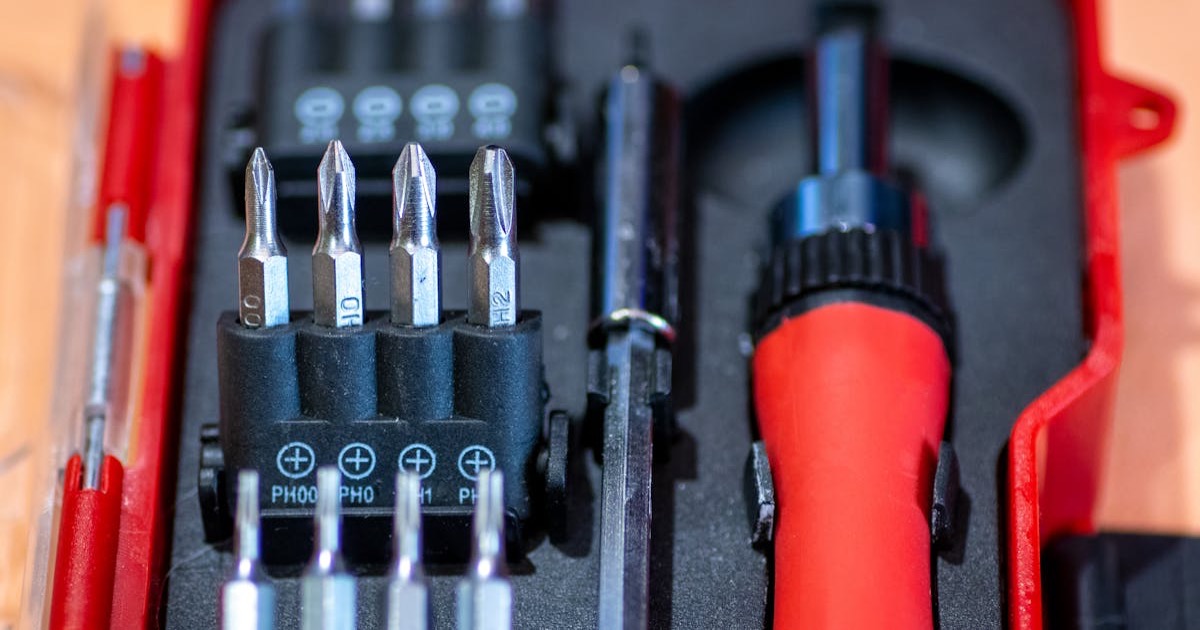
Screwdriver set. A multi-bit screwdriver with interchangeable tips is the most space-efficient option. You want Phillips, flathead, Robertson (square drive, standard in Canadian construction), and Torx bits. Budget: $20 to $40.
Adjustable wrench. An 8-inch and a 12-inch cover most household plumbing and fixture work. Budget: $20 to $30.
Pliers. Standard slip-joint pliers and needle-nose pliers. Budget: $15 to $30.
Hammer. A 16-ounce claw hammer handles most tasks. Budget: $15 to $30.
Utility knife. With retractable blade and spare blades. Used constantly for opening packages, cutting caulk, trimming materials, and dozens of other tasks. Budget: $10 to $15.
Stud finder. Electronic stud finder for hanging anything heavy on walls. Budget: $20 to $40.
Flashlight/headlamp. A good rechargeable LED flashlight for inspecting crawl spaces, attics, under sinks, and behind appliances. A headlamp frees both hands. Budget: $20 to $40.
Plunger. A flange plunger (the one with the extended rubber flap) works on toilets. A cup plunger (flat bottom) works on sinks and tubs. Own both. Budget: $15 to $25.
Allen key set (metric and imperial). For furniture assembly, faucet work, and countless other tasks. Budget: $10 to $20.
Basic socket set. 3/8-inch drive with common metric and imperial sockets. Budget: $30 to $60.
Caulk gun. For applying caulk around windows, tubs, and trim. Budget: $10 to $15.
Safety gear. Safety glasses, work gloves, dust masks. Non-negotiable. Budget: $20 to $40.
Total investment for a complete starter toolkit: $300 to $550. These tools will serve you for 10 to 20 years of homeownership.
DIY vs. Hire a Professional: The Decision Framework
As a new homeowner, you'll constantly face this question. Here's a clear framework:
Always DIY (Unless You Genuinely Can't)
- Changing furnace filters
- Testing and replacing smoke detector batteries
- Cleaning gutters (single-story homes with safe ladder access)
- Basic caulking
- Tightening loose hardware (hinges, handles, knobs)
- Painting single rooms with standard ceilings
- Unclogging drains with a plunger
- Replacing outlet and switch covers
- Weather stripping doors
Consider DIY (If You Have the Time and Interest)
- Replacing a toilet flapper or fill valve
- Installing a new faucet
- Basic drywall patching (small holes)
- Installing shelving and curtain rods
- Replacing a light fixture (with the breaker off)
- Applying deck stain
- Basic landscaping and garden maintenance
- Assembling furniture
Always Hire a Professional
- Any work that requires a permit
- Electrical panel work or new circuit installation
- Plumbing that involves main supply or drain lines
- Gas line work of any kind
- Roof repairs (safety risk and quality concerns)
- Foundation work
- Structural modifications
- HVAC repair and refrigerant handling
- Asbestos or lead paint remediation
- Major tree removal
The Decision Tiebreaker
When you're unsure, ask yourself three questions:
- What happens if I do this wrong? If the answer involves water damage, electrical fire, structural failure, or health hazard, hire a professional.
- Do I have the right tools? If you'd need to buy $200+ in tools for a one-time job, it's usually cheaper to hire someone.
- Will this take me more than 4x longer than a pro? Your time has value. If a pro does it in 2 hours and it'll take you 10 hours plus a trip to the hardware store, the math usually favors hiring.
There's no shame in hiring help for things other homeowners DIY. Everyone has different skills, different tools, and different amounts of free time. The goal isn't to be a handyman - it's to be a responsible homeowner. Whether you fix it yourself or hire someone, the important thing is that it gets fixed.
Handyman Services
Starting at $85/hr - included in your plan
Budgeting for Home Maintenance
The 1% Rule
The most widely recommended guideline is to budget 1% of your home's value annually for maintenance. For a $600,000 home in the Okanagan, that's $6,000 per year or $500 per month.
This number covers routine maintenance (filters, caulking, small repairs) and builds a reserve for larger planned expenses (roof replacement, appliance failure, exterior painting).
Adjusting the Rule
The 1% rule is a starting point. Adjust based on:
- Home age. Newer homes (under 10 years) may need less - 0.5% to 0.75%. Older homes (over 30 years) may need 1.5% to 2%.
- Previous maintenance. A well-maintained home has lower near-term costs. A home with deferred maintenance needs more budget upfront to catch up.
- Climate. The Okanagan's temperature extremes, UV exposure, and wildfire smoke conditions accelerate wear on exterior surfaces, HVAC systems, and roofing.
How to Structure Your Budget
Monthly maintenance fund. Set aside your 1% amount monthly in a dedicated savings account. Don't touch it for anything other than home maintenance and repair.
Separate emergency fund. Your maintenance budget covers planned and routine costs. Keep a separate emergency fund of $2,000 to $5,000 for genuine surprises - a burst pipe, a furnace failure in January, or storm damage.
Track everything. Record every maintenance expense, no matter how small. After 2 to 3 years, you'll have real data about what your specific home costs to maintain, and you can adjust your budget accordingly.
Where a Subscription Makes Financial Sense
For first-time homeowners, one of the hardest parts of maintenance isn't the work itself - it's remembering to do it, knowing who to call, and managing the logistics of multiple service providers for different systems.
A home maintenance subscription simplifies this by bundling multiple services into a single monthly payment with scheduled service visits. My Home Plan offers three tiers:
- Minimum: $89/month - 4 essential services. Good for newer homes or homeowners who want to handle most maintenance themselves but need professional help for key systems.
- Fundamentals: $159/month - 9 services. Our most popular plan. Covers HVAC, plumbing inspection, electrical inspection, house cleaning, lawn care, and more. Ideal for first-time homeowners who want comprehensive coverage without overthinking it.
- Premium: $249/month - All 14 services. Complete home care including handyman hours ($85/hr bank of hours), annual painting ($350/visit), and every inspection and maintenance service.
The advantage for first-time homeowners specifically is that a subscription creates the maintenance habits for you. Services are scheduled, professionals are vetted, and nothing falls through the cracks because you forgot or got busy.
Building Your Team of Professionals
Even if you subscribe to a maintenance plan, you'll eventually need specialists for major work. Start building your network now, before you need them urgently:
Plumber. For main line issues, water heater replacement, and major plumbing work.
Electrician. For panel upgrades, new circuits, and any work requiring permits.
HVAC technician. For system replacement and major repairs.
Roofer. For inspections and repairs beyond maintenance.
General contractor. For renovation projects and major repairs.
How to Find Good Professionals
- Ask neighbors, coworkers, and friends for referrals
- Check Google Reviews and look for contractors with 50+ reviews and 4.5+ stars
- Verify licensing and insurance (you can check BC contractor registrations online)
- Get 3 quotes for any major project
- Pay attention to communication - a contractor who returns calls promptly and communicates clearly will be reliable on the job
Red Flags to Watch For
- Demands full payment upfront (standard is 10-30% deposit, progress payments, and final payment on completion)
- No written contract or scope of work
- Can't provide proof of insurance
- Pressures you to decide immediately
- Significantly cheaper than all other quotes (usually means something is being cut)
- No references or refuses to provide them
Ready to simplify your home maintenance?
Get all your home services in one monthly plan. Vetted contractors, guaranteed scheduling, predictable pricing.
Your First-Year Action Plan
Here's your condensed timeline for the first 12 months of homeownership:
Week 1: Change locks, locate shutoffs, test safety systems, document home condition, change furnace filter.
Month 1: Schedule HVAC tune-up, get plumbing inspection, set up maintenance file, identify your home's age-related risks.
Month 2-3: Address any issues found in inspections. Start your monthly maintenance routine. Buy essential tools.
Month 4-6: Complete your first seasonal maintenance cycle. Address any deferred maintenance from the previous owner. Get quotes for any larger projects identified.
Month 7-9: Tackle one improvement project. Continue monthly maintenance. Build relationships with 2 to 3 trusted professionals.
Month 10-12: Prepare for your first change of seasons as a homeowner (fall prep if you bought in winter, winter prep if you bought in spring). Review your maintenance budget against actual expenses. Adjust next year's budget based on real data.
By the end of your first year, you'll have systems in place, relationships with professionals, a realistic budget, and the confidence that comes from knowing your home is being properly cared for.
Final Thoughts
Homeownership is a skill, not an instinct. Nobody is born knowing how to maintain a house. The previous generation may have learned from their parents, but plenty of first-time homeowners today are learning from scratch - and that's completely fine.
The single most important thing you can do as a new homeowner is establish habits. Monthly checks, seasonal maintenance, and annual professional services prevent the vast majority of expensive surprises. They keep your home comfortable, safe, and valuable.
You don't need to become a handyman. You don't need to spend every weekend on a ladder. You just need a plan, a budget, and the discipline to follow through - or the wisdom to hire someone who will do it for you.
Welcome home. Take care of it, and it will take care of you.
Frequently Asked Questions
Why Homeowners Choose My Home Plan
Predictable Pricing
One monthly payment covers everything. No surprise quotes or hidden fees.
Vetted Contractors
Every contractor is background-checked, insured, and reviewed.
Zero Hassle
We handle scheduling, quality control, and follow-ups. You relax.
Related Articles

How Home Maintenance Increases Property Value: 10 Tasks Ranked by ROI (Data-Backed)
Regular home maintenance does not just prevent problems - it actively increases your property value. We ranked the top 10 maintenance tasks by ROI using real data from appraisals, buyer surveys, and inspection reports. The numbers tell a clear story.
10 Home Repairs You Should Never Ignore (And What They Cost If You Do)
Deferred maintenance is the most expensive decision a homeowner can make. These 10 repairs seem minor today but turn into thousands of dollars in damage if ignored. Here's what to watch for, what it costs to fix now versus later, and how to prioritize when money is tight.

How Home Maintenance Affects Your Insurance Premiums (And When Claims Get Denied)
Your home insurance policy expects you to maintain your home - and if you do not, claims can be denied and premiums can increase. This guide explains what insurers require, how maintenance affects your rates, and how to protect yourself with proper documentation.